Travel Guide · Bali · Indonesia
Bali. The SunZen Guide.
Everything you need to know before traveling to Bali, explained clearly and without any pretension.
Before you travel, to understand Bali. After you travel, to tell you what it's really like.
Before You Begin
Why This Guide Exists
There are places people travel to see. And there are places you travel to in order to experience them. Bali belongs to the latter group.
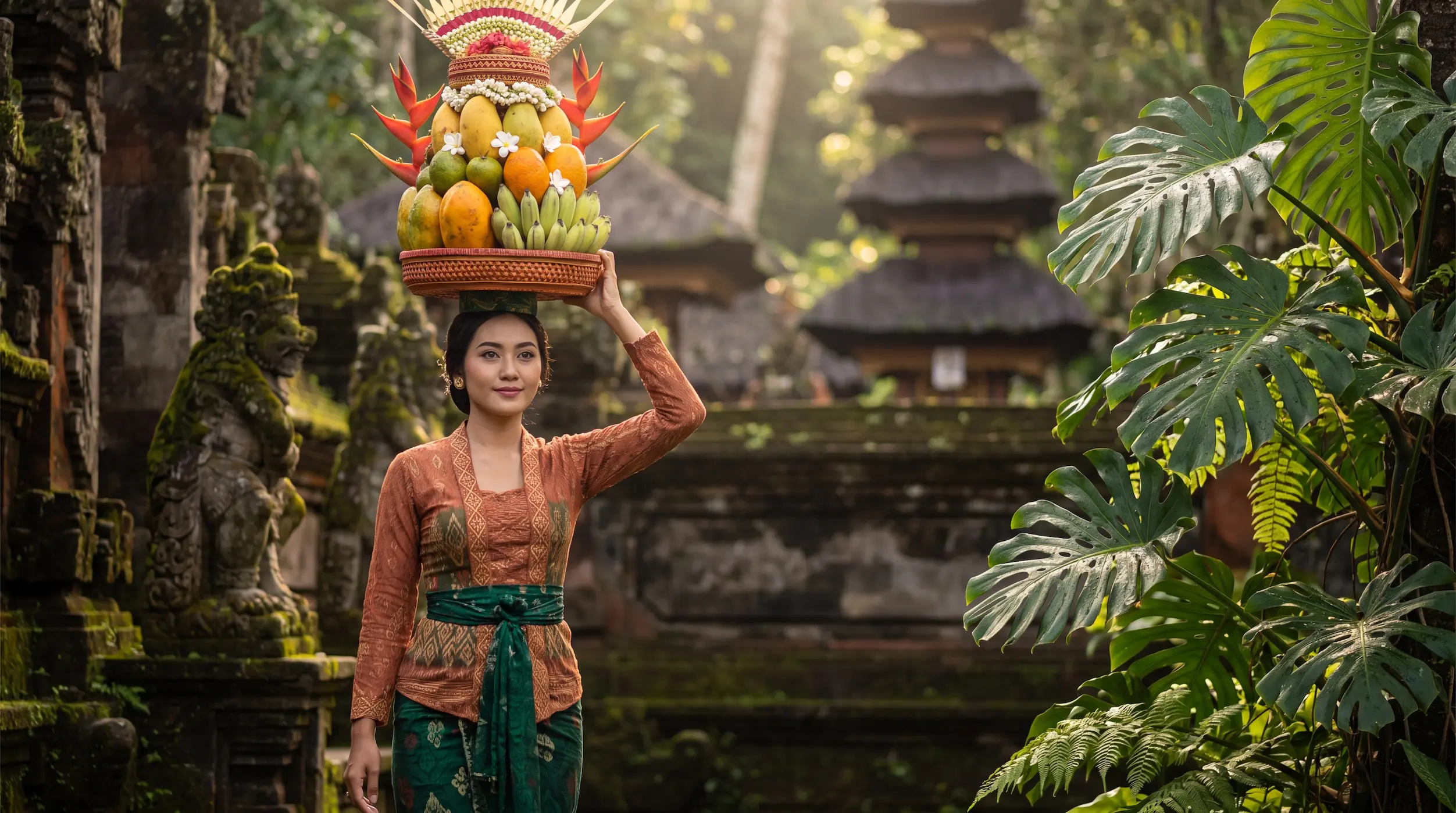
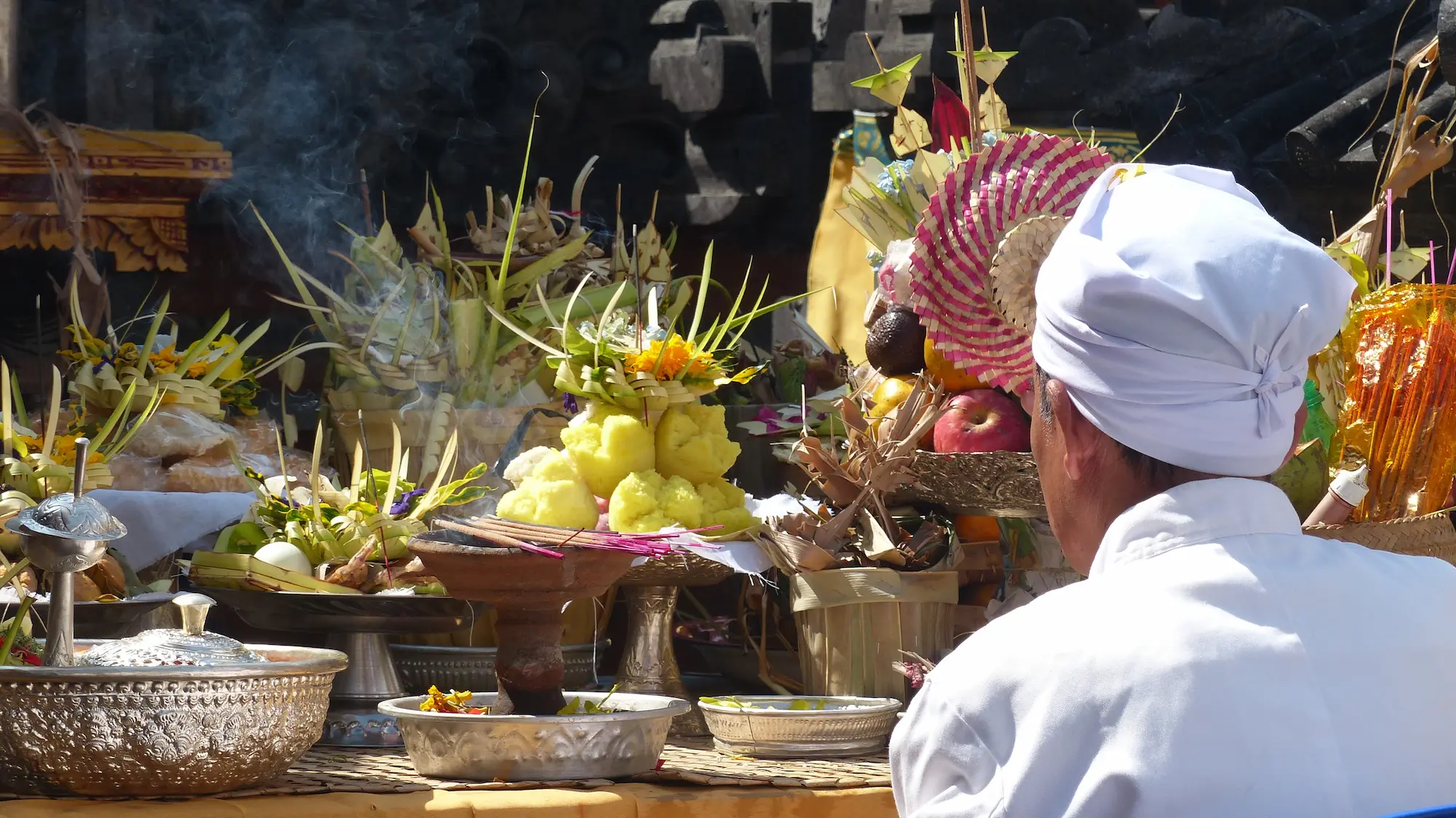
A floral offering placed in front of a store every morning. The smoke from the incense rising between the houses. The metallic sound of a gamelan coming from a temple somewhere. The incredible green of the rice paddies. A volcano silhouetted against the sky. A ceremony that doesn't seem to be taking place for the tourists, but for something much older.

Bali has beaches, jungles, waterfalls, and some of the most photographed landscapes in Southeast Asia. But if we reduce it to just that, we miss out on a good part of its history: it’s an island where spirituality is part of everyday life.
We’re Rakel and Toni from SunZen Travel, and we’ll be upfront with you right from the start: we haven’t traveled to Bali with a group yet. The first trip is scheduled for December 2026. That’s why you won’t read anything here like «when we were there» or «our favorite restaurant in Ubud.» We can’t write about it yet.
This guide took shape in a different way: by reading, asking questions, and cross-checking information as we planned the route. We went over the itinerary stop by stop with a Balinese guide, and the practical information comes from official sources, which We'll cite it at the end. We're exploring Bali before taking you to Bali.
When we get back, we'll go over each section and tell you what was true, what surprised us, and what we'd change.
Because Bali can be disappointing if you don’t plan well. Those who arrive with postcard-perfect expectations and rush from one crowded place to another often end up stuck in traffic. On the other hand, those who slow down, choose their accommodations wisely, and venture out of the south for part of their trip discover a different island. Bali isn’t a destination to check off a list. It’s an island to experience at a leisurely pace.
Rakel and Toni · SunZen Travel
At a glance
Bali in Seven Facts
The basics to get you up to speed before you read any further.
6,95
millions of international arrivals in 2025
Nearly 6.95 million international arrivals in 2025, according to the Bali Statistics Office. More visitors per year than residents.
- An island in Indonesia about 5,600 km², a little more than one and a half times the size of Mallorca.
- About 4.4 million people scattered all over the island.
- The 86.5 % is Indian, in the country with the largest Muslim population in the world. It is the only province in Indonesia with a Hindu majority.
- Seven hours later than in Spain in the winter and six in the summer.
- The Indonesian rupiah (IDR) is its currency.
- Plugs are the same as those in Spain: Type C and F, at 230 V. You don't need an adapter.
They call it the Island of the Gods. In Indonesia, it is also known as Thousand Temples Island, the island of a thousand temples—and even that nickname doesn't do it justice.
What Makes It Different
What Bali has that almost nowhere else does
Six reasons why the island captivates so many people.
Spirituality is evident on the sidewalk
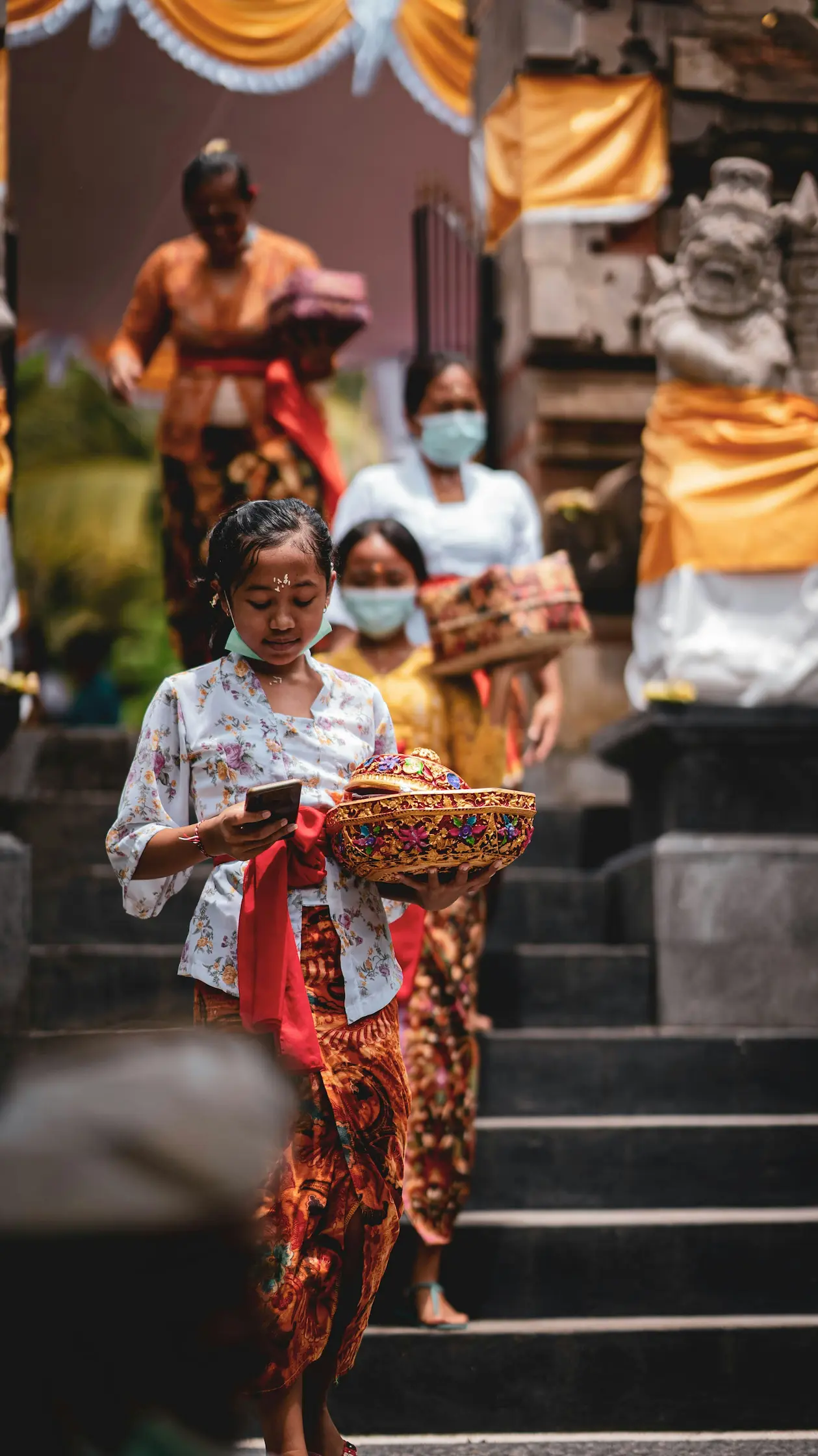
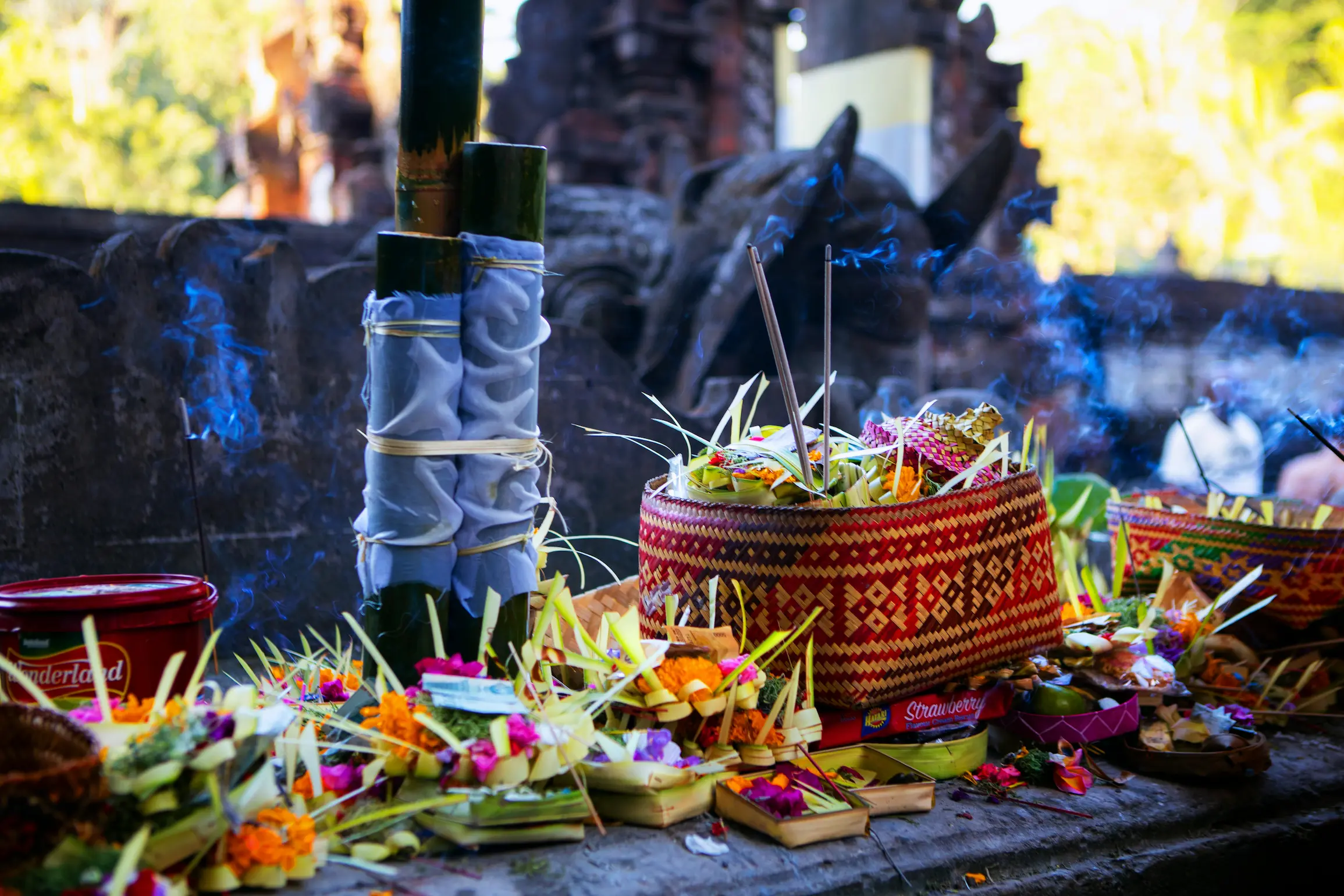
Every morning, small palm-leaf baskets filled with flowers, rice, and incense appear in doorways, stores, intersections, and even on car dashboards. They are called canang sari and are prepared every day. You don't have to step inside a temple to feel like you're in a sacred place—all you have to do is step outside the hotel.
A small island with landscapes on a grand scale
In just a few hours on the road, you go from active volcanoes to mountain lakes, from terraced rice fields to cliffs overlooking the Indian Ocean. There are no domestic flights because they aren't needed.

Rice Paddy Fields That Are World Heritage Sites
Look at a Balinese rice paddy and you'll see shades of green cascading down the hillside and water reflecting the sky. Beneath the surface lies something much more complex: the subak, a water management system that UNESCO dates back to the 9th century. Farmers distribute water among the fields through canals, tunnels, and dams, and organize it around water temples.
In 2012, UNESCO inscribed it as World Heritage Site Five of these rice paddy landscapes, with their temples—covering some 19,500 hectares—including the 18th-century royal temple of Taman Ayun. Suddenly, a rice paddy is history, engineering, religion, and community all at once. Perhaps that is the first lesson of Bali: to look twice.

A Living Culture
Dance, gamelan music, woodcarving, and painting are still practiced in the villages, and UNESCO has recognized both gamelan and Balinese dance as Intangible Cultural Heritage. Ubud is the island’s cultural center and the best place to experience these traditions up close.
A pace that invites you to slow down
Waking up early to watch the sunrise from a volcano and, the next day, doing nothing by a pool surrounded by jungle. Bali offers both ways of life, and that’s part of its charm.
People
You’ll soon notice that many Balinese people have the same names: Wayan, Made, Nyoman, or Ketut. This is no coincidence. The name indicates the order of birth: the first child is Wayan, the second is Made, the third is Nyoman, and the fourth is Ketut, regardless of whether they are boys or girls. If there’s a fifth child, the sequence starts over with Wayan. Asking someone named Wayan, «Are you the oldest?» is one of the best ways to start a conversation.
Preparing for the Trip
Before Traveling to Bali
When to Travel to Bali
Bali has two seasons: the dry season, from April to October, and the rainy season, from November to March.
Dry season · more sunshine and calm seasRain · December, January, and February are the wettest months
- The dry season, from April to October. It has the most sunshine and calm seas, and it's also the most sought-after.
- The rainy season, from November to March. December, January, and February are the wettest months, and January is the rainiest.
The rainy season isn't what it seems. What's typical are intense, short downpours, almost always in the afternoon or evening, with mornings that are often clear. It rarely rains all day long. Instead, the rice paddies are at their most vibrant green, and the waterfalls flow vigorously.
What does change during those months:
- The South Sea may be even rougher.
- On the west coast, from Kuta to Canggu, currents wash trash ashore. This can last until February.
- Humidity is rising and there are more mosquitoes, so insect repellent is a must.
July, August, and the period between Christmas and Three Kings Day are the busiest times of the year: more people and higher prices for hotels and flights. If you’re traveling during those times, book well in advance. If you’re looking for good weather with fewer crowds, the dry season months outside of the European summer (May, June, and September) tend to be the best balance.
And a day worth knowing about: Nyepi, the Balinese New Year, which falls in March. Here's an explanation below, because on that day the whole island comes to a standstill.
12–14 Recommended days
How many days do you need for Bali?
The flight from Spain takes about 19 hours at best, and then there's a six- or seven-hour time difference. With less than ten days, a large part of the trip is spent traveling and recovering.
We recommend the following: between 12 and 14 days. That's what lets you see the center, north, east, and south without wearing yourself out—and set aside a day to do nothing, which in Bali is also part of the trip. Below you'll find 7-, 10-, and 14-day itineraries.
Documents, in order
Documents and Visas for Bali
Requirements for a Spanish passport, as of September 2026. These requirements change frequently: always check the official websites before flying.
Passport
- Validity
- 6 months since enrollment
- Requirement
- At least one blank page
It must be valid for at least six months from the date of entry into Indonesia and have at least one blank page. You may be asked to show your ticket for departure from the country.
Visa on Arrival (VoA)
- Current price
- 500,000 rupees per person
- Stay
- 30 days, extendable once for an additional 30 days
- Where
- evisa.imigrasi.go.id or at the airport
If you have a Spanish passport, you can apply upon arrival at the Denpasar airport or, better yet, online before your flight (e-VoA) on the official immigration website. Applying online saves you from having to wait in line at the airport.
All Indonesia Card
- Price
- Free and mandatory
- When
- In the three days leading up to the arrival
Before those three days, the system won't accept it. It combines the entry form, customs form, and health declaration into a single form, and when you're done, it gives you a QR code that you'll need to show upon arrival.
Bali Tourist Tax
- Price
- 150,000 rupees per person, including children
- When
- Once per trip
- Where
- Official website or app Love Bali
As of February 14, 2024, all foreign tourists must pay this fee. It is a tax levied by the province of Bali, separate from the visa. Keep the receipt on your phone: it will be checked at the airport and at some temples.
In August 2026, the Indonesian government announced that it plans to raise the fee for visas on arrival to 750,000 rupees if you order online and at 1.000.000 if it's processed upon arrival. As of late September, there was still no effective date. Check the price right before you pay.
Watch out for fake websites. There are websites out there that charge «processing» fees for these procedures or amounts other than the official ones. Indonesia's official websites end in .go.id.
Before Traveling to Bali
The Practical Side, in a Nutshell
Insurance, transportation, internet, money, luggage, flights, and health. Select whatever you need.
Travel insurance
A must. Look for a policy that offers good medical coverage at your destination and repatriation coverage. If you plan to climb a volcano or go rafting, make sure the policy covers those activities, because many basic insurance plans exclude them.
How to Get Around Bali
There are no trains or domestic flights in Bali: everything is done by road. You have three options:
- Private driver by the day: It's the most comfortable option for long excursions.
- Ride-hailing apps like Grab or Gojek: They work well in tourist areas.
- Motorcycle: It's the most popular option among travelers, but you should think twice. Official regulations for tourists require an international driver's license, traffic is heavy, and you should check beforehand to see if your travel insurance covers riding a motorcycle.
Internet in Bali
You have two simple options:
- A Travel eSIM, which is activated on the cell phone before leaving.
- A tourist SIM card, which you can buy at an official carrier store with your passport.
For stays of less than 90 days, you don't have to register your phone with customs. Wi-Fi is commonly available in hotels and cafes.
Money in Bali
The currency is the Indonesian rupiah, and in Bali, you pay in rupiah—as specified in the province’s regulations for tourists. The bills have a lot of zeros, and on your first day, you’ll feel like a millionaire.
- Cashiers: Preferably those located inside banks, shopping malls, or supermarkets.
- Currency exchange offices: only the official ones.
- Card: It is accepted at hotels and many restaurants.
- Cash: for the warung (local restaurants), parking lots, donations at places of worship, and markets.
What to Pack for Bali
- A sarong or pareo that covers the knees. Many temples lend or rent them at the entrance, but you'll be more comfortable with your own.
- Clothing that covers the shoulders for the temples.
- Lightweight rain jacket or poncho, especially from November through March.
- Mosquito Repellent and sunscreen.
- Something warm If you're going to climb a volcano at dawn or spend the night at higher elevations, where it's considerably cooler.
- Shoes with sturdy soles for wet stone paths and steps.
- Your regular medication, along with the recipe.
What you don't need: a plug adapter.
How to Get to Bali from Spain
There are no direct flights from Spain. All flight options include at least one layover, usually in the Middle East or Southeast Asia, and arrive at Ngurah Rai International Airport in Denpasar (DPS). The distance is about 13,000 km. The fastest trip from Madrid takes about 19 hours, but many routes take more than 24 hours.
A practical tip: Choose layovers of at least two hours. On such a long trip, even a minor delay on the first flight could cause you to miss the second one.
Health
- Do not drink tap water. Use bottled water, including when brushing your teeth, if you have a sensitive stomach.
- Vaccines: No vaccinations are required to enter Indonesia from Spain. A yellow fever certificate is only required for travelers arriving from countries where there is a risk of transmission. Even so, a few weeks before your trip, make an appointment at an International Vaccination Center so they can advise you on which vaccinations are appropriate for your situation.
The most important part
Understanding Bali
Here's what fascinated us the most while researching the island. If you only read one part of this guide, let it be this one.
Religion in Bali
Most Balinese people practice Balinese Hinduism (Hindu Dharma Religion), a form of Hinduism that came from India via Java and blended with much older local beliefs.
To understand almost everything you'll see in Bali, here's a concept that will help: Tri Hita Karana, «the three causes of well-being.» The idea is that a good life depends on maintaining three kinds of harmony:
- With the Divine
- With other people
- At One with Nature
Offerings, rice paddy shrines, and village ceremonies are ways of maintaining those three balances.
For further reading: Bali, Magic and Rituals
The offerings and the canang sari
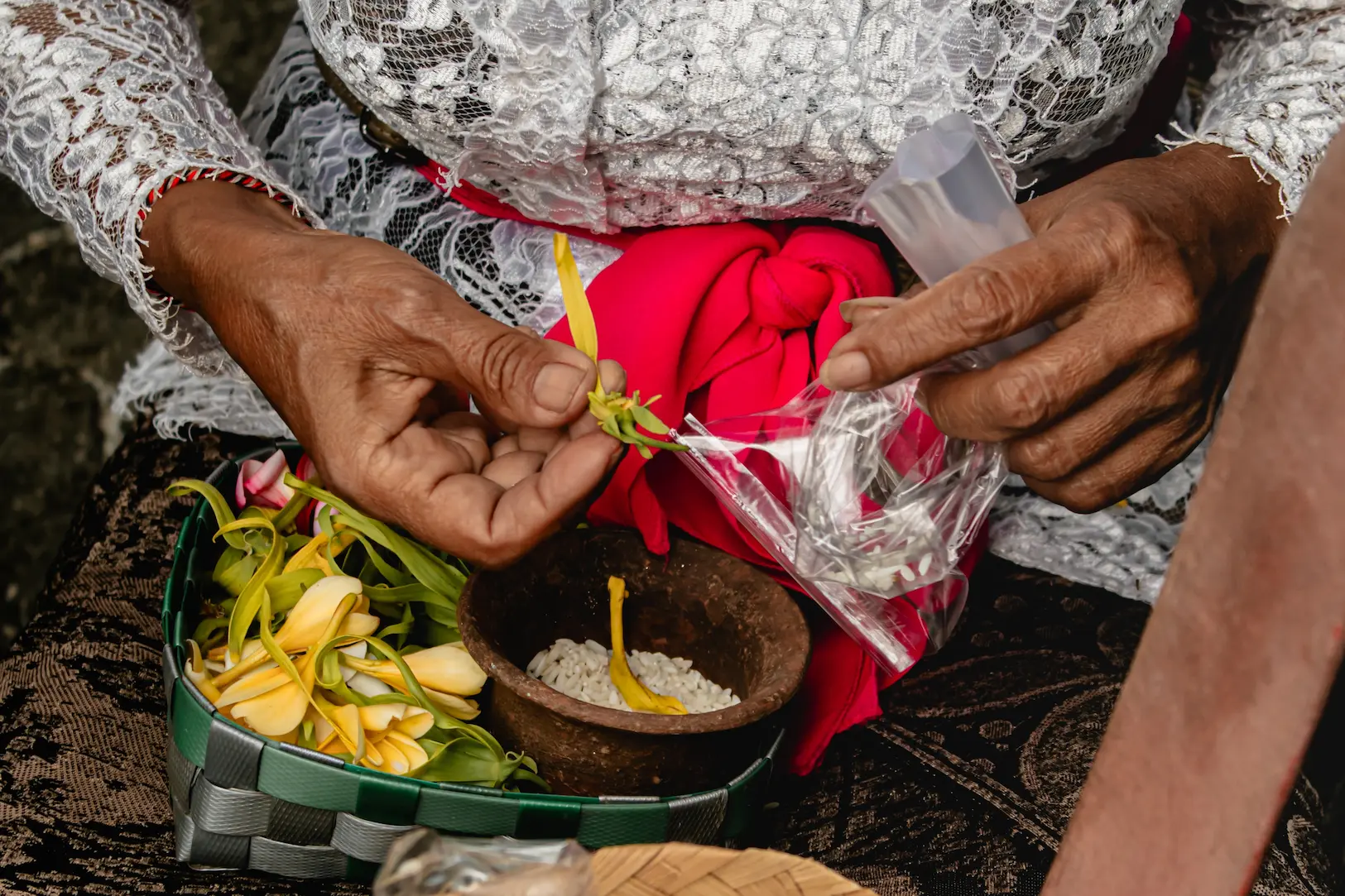
The canang sari It is the simplest and most common offering. The base is a small tray made of young palm leaves; on top are flowers, rice, sometimes a piece of fruit or sugarcane, and a stick of incense. Its name is usually explained as follows: ca (beautiful) and nang (purpose) in the ancient Kawi language, and sari, essence. It essentially means «the essence of a beautiful purpose.».
The flowers are not chosen at random. Each color is associated with a direction and a deity. It is a prayer organized by color.
- The target, to the east
- Red, to the south
- Yellow, to the west
They are prepared every day—in homes, stores, and temples—as a way of saying «thank you for today.».
Two gestures that make all the difference:
- Do not step on the offerings on the ground: Circle them.
- If, at the end of the day, you see them scattered around or a dog is eating the rice, it's no big deal. The offering has already served its purpose.
Where the Sacred Lives
The temples
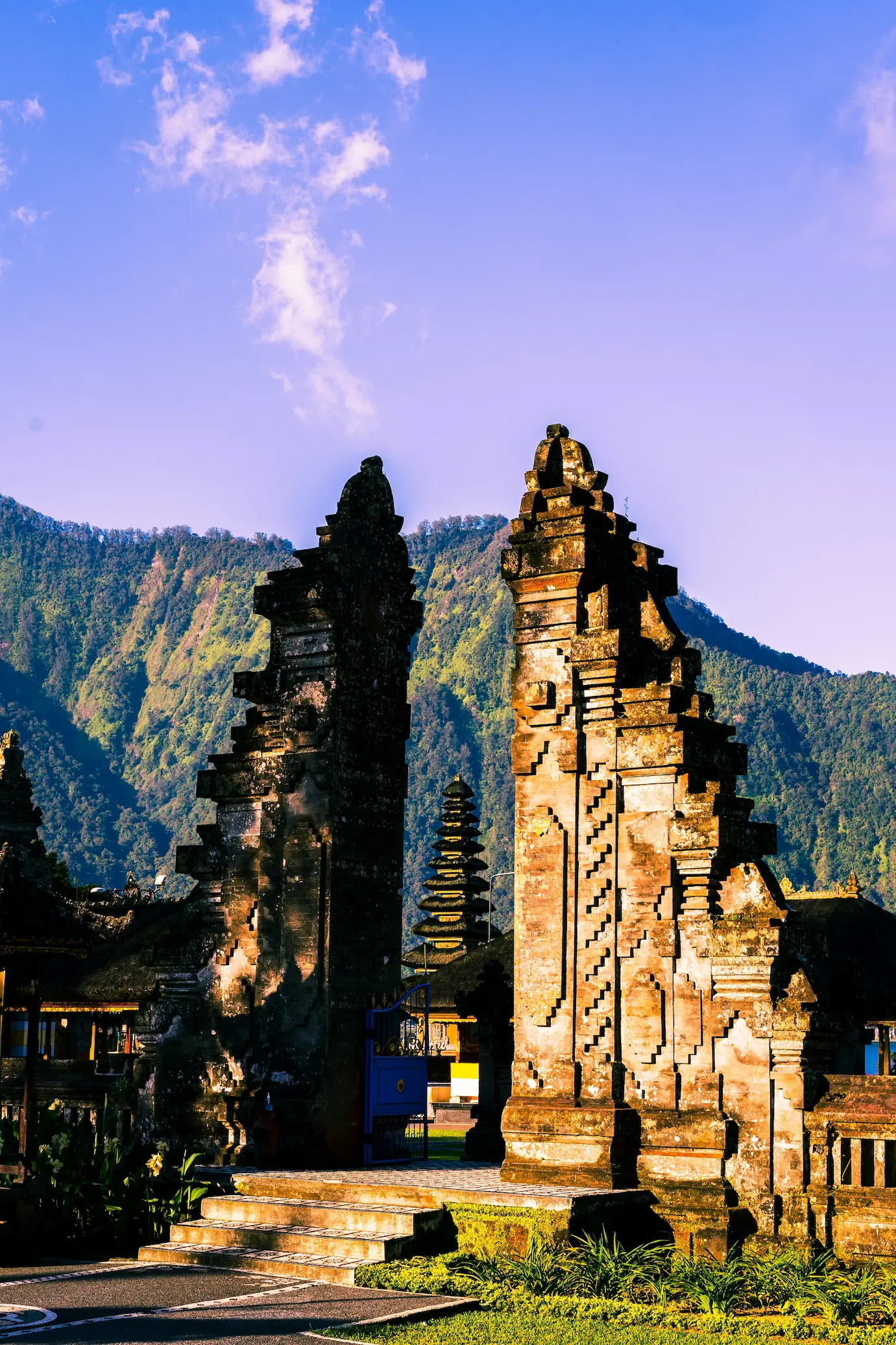
In Bali, there are temples everywhere: in every village, in the rice fields, by the lakes, out at sea, and even inside every home, because every family has its own. Some hold special significance for the entire island. One of them is Lempuyang, in the east, considered one of the six holiest shrines in Bali. Yes, the one in the photo of the gate, which we'll talk about in «Bali Unfiltered».
How to Behave in a Temple
When a culture is alive, visiting it also means learning to respect it. Since 2023, the Government of Bali has published an official list of what is expected of tourists, which was updated in March 2025. The essentials for visiting temples:
- Cover your legs with a sarong and keep your shoulders covered. In many temples, they'll also give you a sash to wear around your waist.
- The most sacred areas in the interior are off-limits those who are going to pray in traditional clothing. Stay in the areas open to visitors.
- According to Balinese tradition, women who are menstruating are not allowed to enter temples. This is a rule that is included in the official list itself.
- Do not climb shrines, statues, or sacred trees, and no photos that might be considered disrespectful in sacred places.
- If you come across a ceremony, watch in silence, don't stand in front of someone who is praying, and ask before taking a picture of anyone.
The official list also includes other general rules: do not use single-use plastics, pay in rupees, and drive only with an international driver's permit.
The Ceremonies
Balinese life follows two calendars at the same time, which is why there is a ceremony somewhere on the island almost every week:
- Galungan and Kuningan They celebrate the victory of good over evil. The streets are filled with penjor, tall, decorated bamboo stalks that arch over the road.
- Odalan Each temple's anniversary. It is celebrated every 210 days.
- Ngaben The cremation ceremony, which in Bali is a colorful, community-wide farewell.

If you come across a procession during your trip, don't go looking for it or follow it: if the townspeople are passing by, step aside and watch.
Balinese New Year
Nyepi, the day Bali goes quiet
It's the Balinese New Year, and it's probably the most unusual day a traveler can experience. For 24 hours, starting at six in the morning, the entire island falls silent:
- There are no cars or motorcycles on the road.
- The lights go out.
- Stores and attractions are closing.
- Tourists stay at their hotels.
The night before is exactly the opposite. The towns hold a procession with the ogoh-ogoh, enormous handmade figures of demons that parade amid music and noise to drive away evil spirits before the silence sets in.
24 hours airport closed
Until the International Airport Closes for 24 Hours, something that has happened every year since 1999, and in recent years, mobile internet service has also been cut off.
Think about it: an island that welcomes nearly seven million international visitors a year—full of roads, hotels, and motorcycles—comes to a complete standstill for a day.
Nyepi falls in March and changes every year: in 2026, it was on March 19. For 2027, the sources consulted place it in early March, but they don’t agree on the exact date. Be sure to confirm the date before booking if you want to experience it—or if you’d rather avoid it.
In everyday life
Customs You Should Know
- The Right Hand Give and receive things with your right hand. Throughout the region, the left hand is considered impure.
- Appropriate Attire Dress modestly away from the beach, especially in towns and at temples.
- A Smile and Patience Speaking up to solve a problem works worse in Bali than almost anywhere else.
For further reading: Bali Customs
What to Eat in Bali
Balinese cuisine is spicy, aromatic, and quite different from the rest of Indonesia's cuisine in some dishes, because the Hindu population does eat pork. Some dishes worth trying:
- Babi guling Roasted suckling pig stuffed with spices—the quintessential festive dish.
- Bebek Betutu Slow-cooked duck with spices, wrapped in leaves.
- Sate lilit Skewers of fish or ground meat seasoned with spices and coconut, wrapped in lemongrass stalks.
- Nasi campur A plate of rice with small portions of various items. It's the best way to try a little bit of everything.
- Lawar A mixture of vegetables, shredded coconut, and spiced ground meat.
And for those who prefer not to take any chances, the nasi goreng (fried rice) and the mie goreng (fried noodles) are on every menu.
Eat at least once a warung, the simple local restaurants. That's where you'll find authentic cuisine.
Close your eyes
Bali is also heard
There's another way to get to know a place: by closing your eyes. In Bali, the soundtrack is the gamelan, a set of gongs, metallophones, drums, and flutes that follows very precise rules of tuning and rhythm. It accompanies ceremonies, dances, shadow puppet theater, and festivals. UNESCO inscribed it on the Representative List of the Intangible Cultural Heritage of Humanity in 2021.
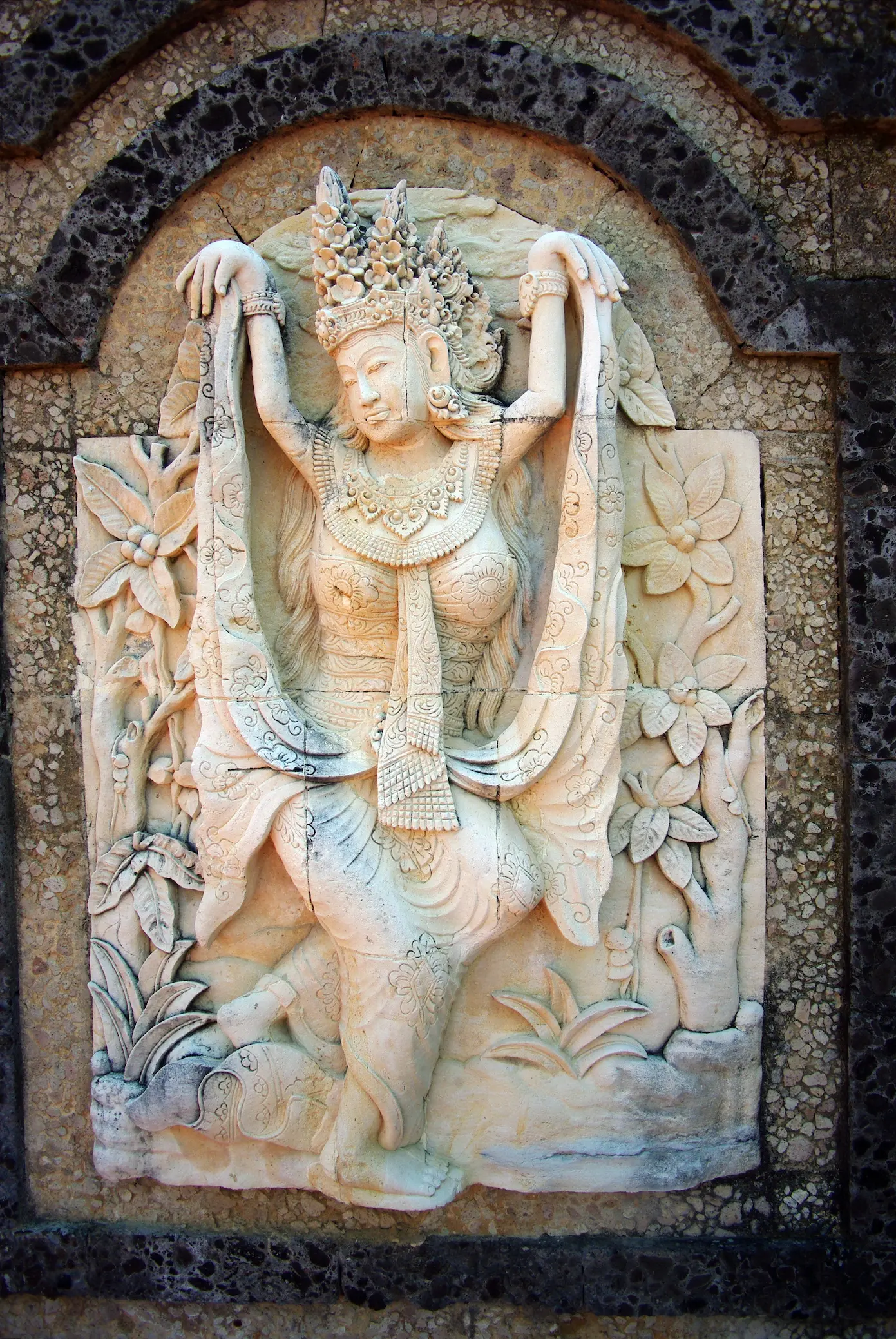
Dance has also been recognized since 2015. UNESCO recognizes three genres of traditional Balinese dance: sacred dances, semi-sacred dances, and those intended for the enjoyment of the entire community. Children learn them from a young age, in groups, almost always outside of school.
So when you think of Bali, in addition to what you'll see, consider what you'll hear, smell, taste, and learn.
Dance: A Story That Almost No One Tells
Bali's most famous dance, the Kecak, is performed at sunset in front of the Uluwatu cliff and does not use any instruments: a circle of men sings nonstop «clack, clack, clack»while in the center a scene from the Ramayana is being performed. It looks very ancient, but in its current form it originated in the 1930s. The Balinese dancer Wayan Limbak and the German painter Walter Spies created it based on an ancient trance ritual called sanghyang. Limbak's tours made her famous all over the world.
Plan the trip
Plan Your Itinerary in Bali
The island's regions
Ubud and the city center
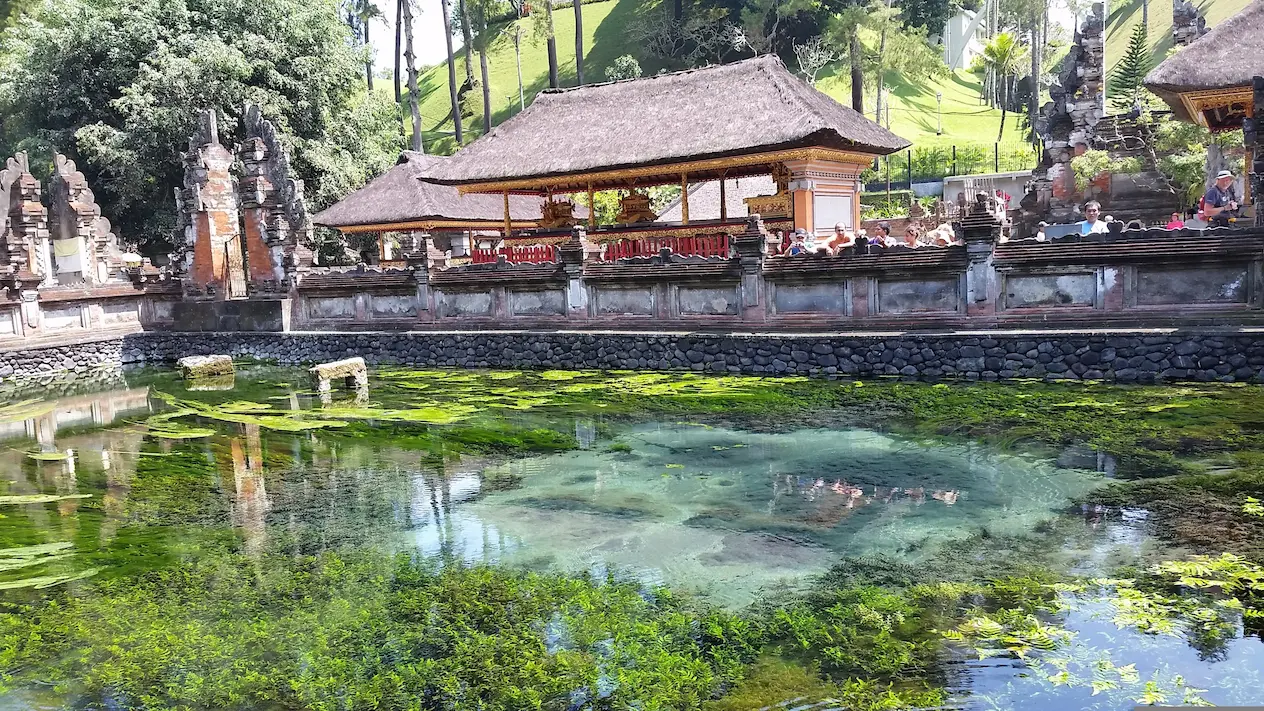
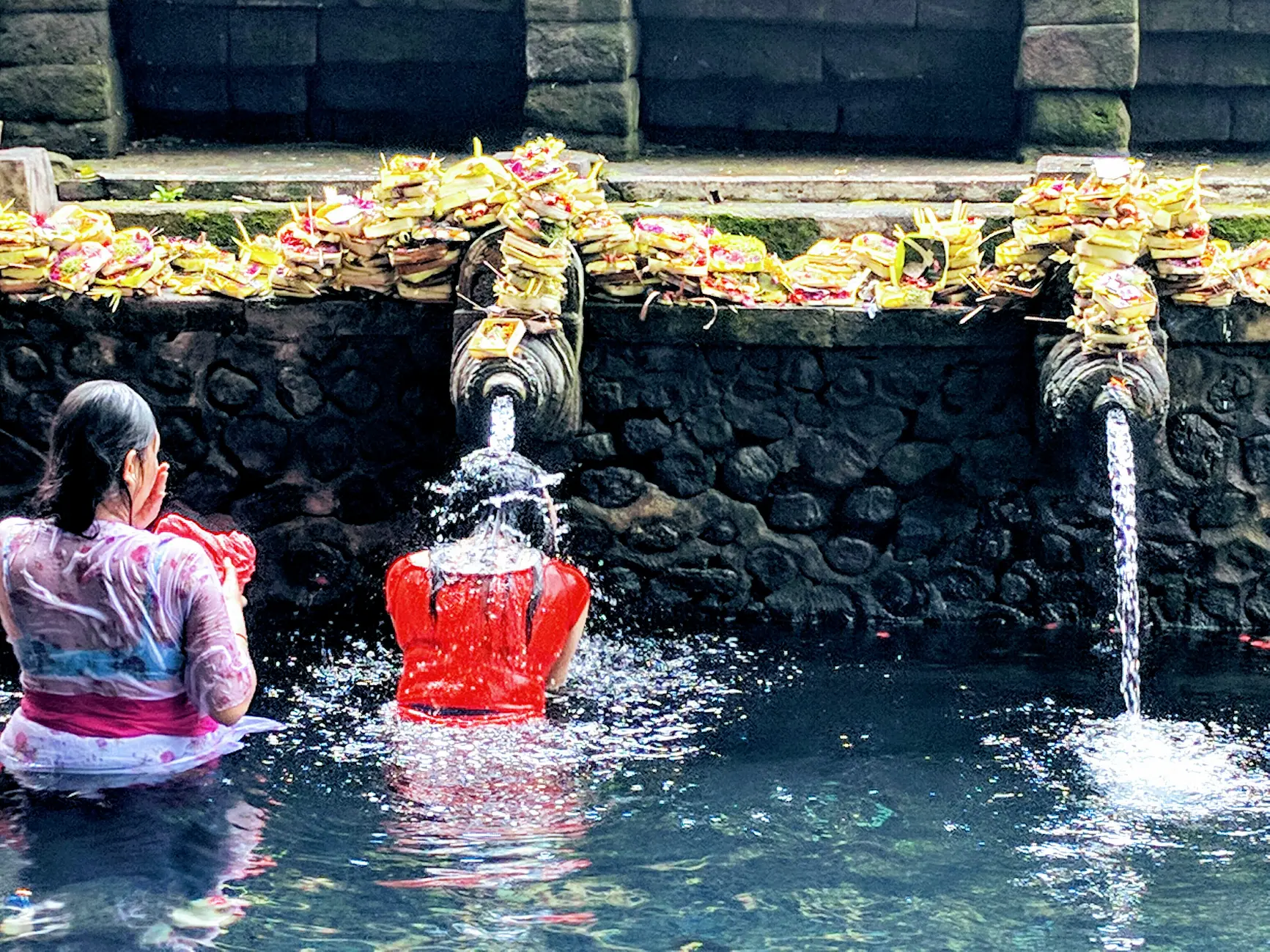
The cultural heart of the island. Rice paddies like Tegallalang, jungle, the sacred monkey forest, the sacred spring of Tirta Empul, craft workshops, and dance performances almost every night. It’s the most convenient area to use as a base because it’s in the center of the island.
The north
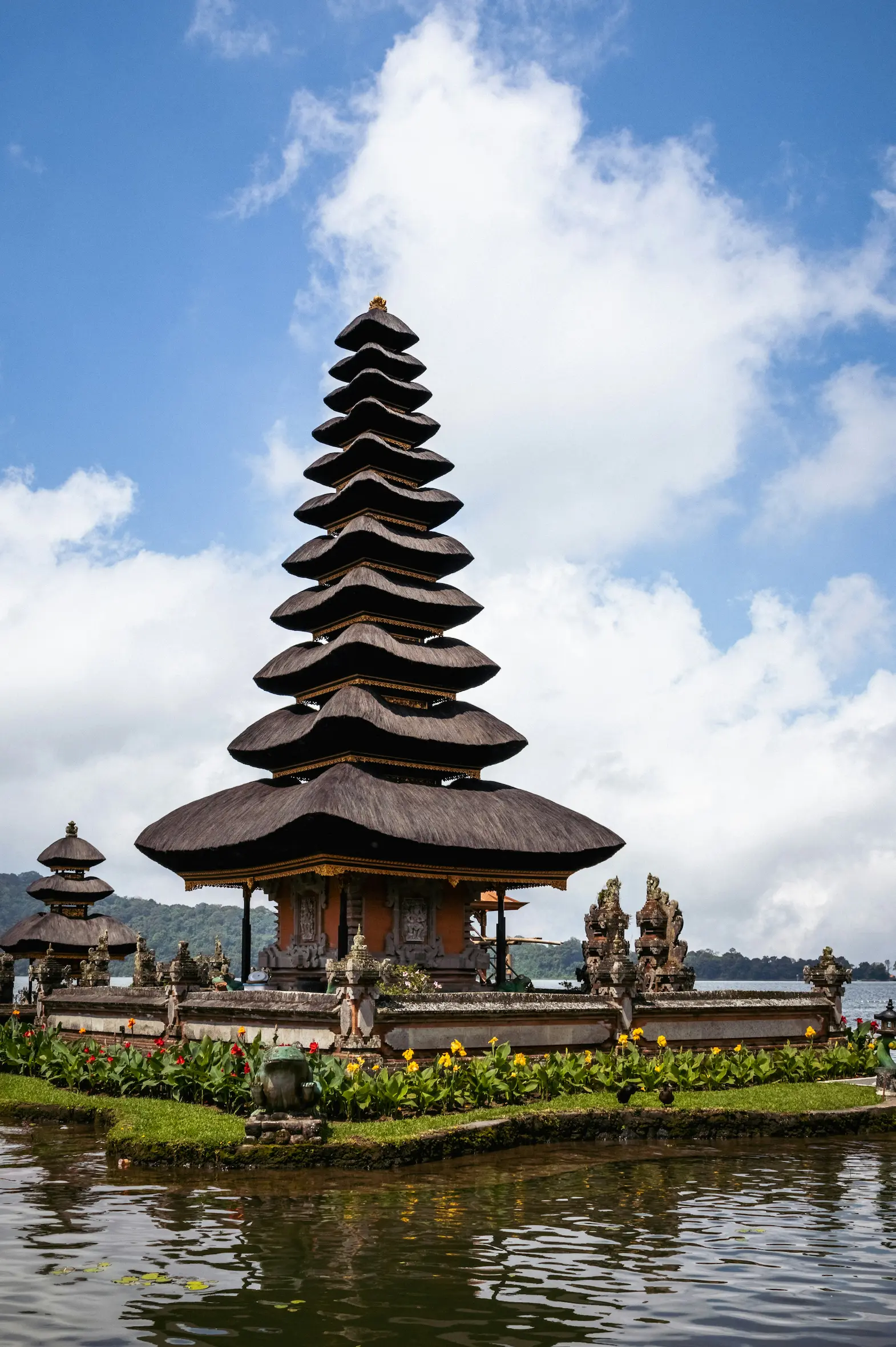
More peaceful and cooler. Here you'll find mountain lakes, such as Lake Bratan, with the Ulun Danu Temple, which seems to float on the water, and Lake Tamblingan, surrounded by jungle. There are also the rice paddies of Jatiluwih, part of the landscape of the subak designated a World Heritage Site.
The East
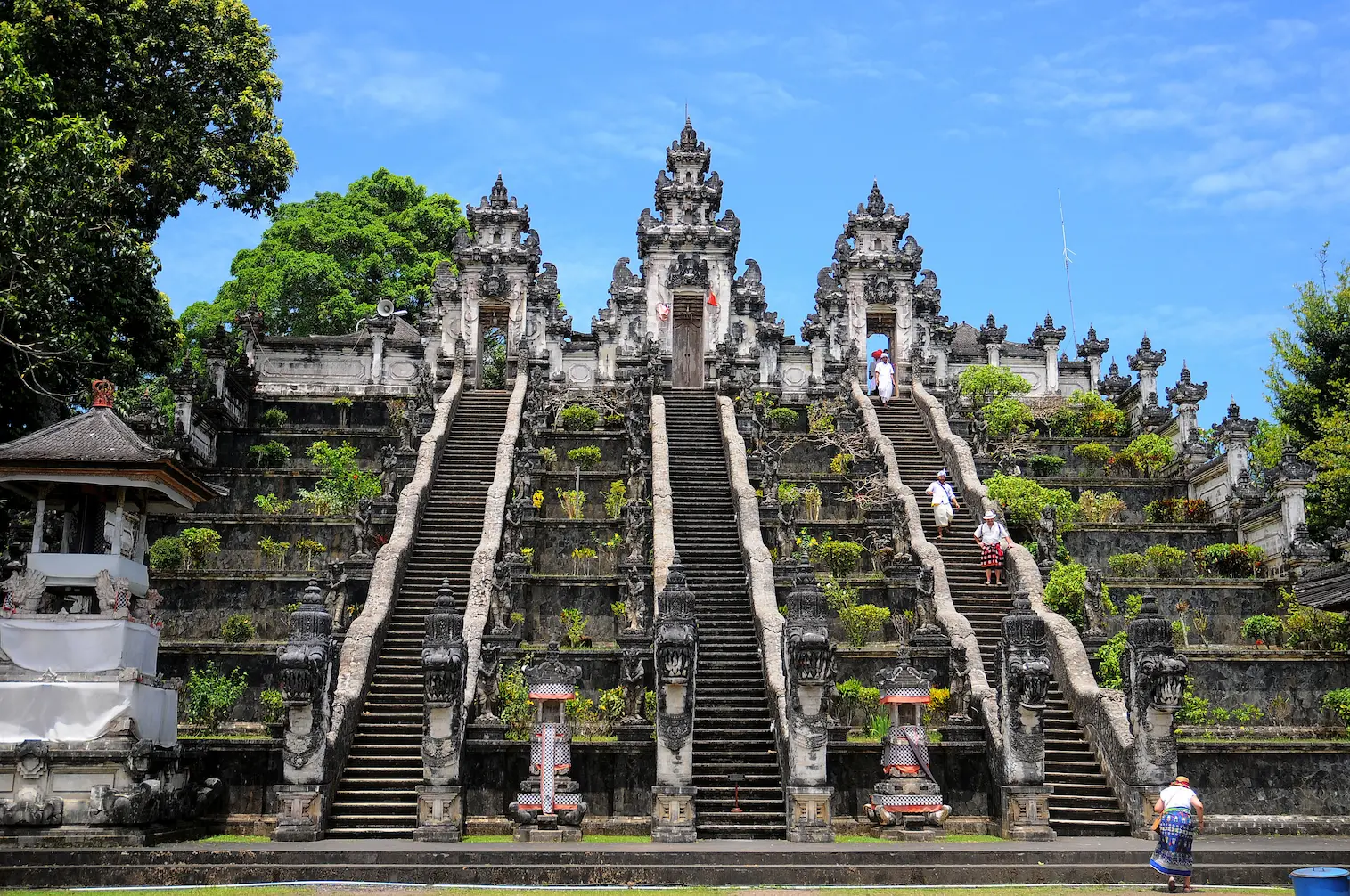
The most spiritual and least crowded part of Bali. Here you’ll find the Lempuyang Temple, the Tirta Gangga Water Gardens, and Mount Agung, the island’s tallest and most sacred volcano, standing at 3,031 meters.

The South
Cliffs, coves, and sunsets. Here you'll find the Uluwatu Temple, the beaches of Padang Padang, and Jimbaran Bay. It's also the most urbanized area and the one with the heaviest traffic.
The Nusa Islands
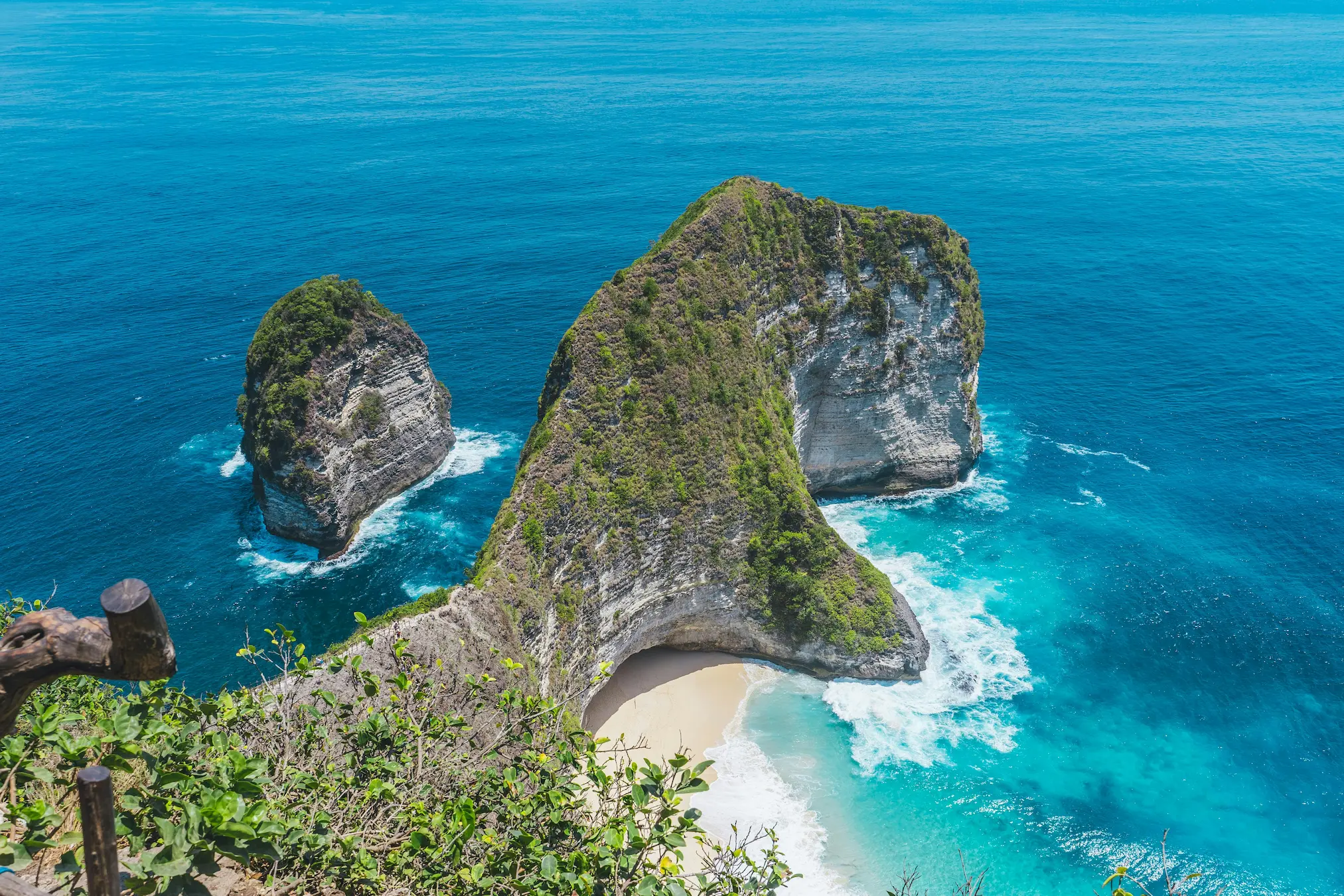
Off the southeast coast, just a short speedboat ride away, lies Nusa Penida, famous for viewpoints like Kelingking. The views there are among the most spectacular in Bali, but it all depends on the sea: during the rainy season, rough waves can cause speedboat service to be canceled.
Where to Stay in Bali, Depending on What You're Looking For
Seven neighborhoods: who lives in each one and what the pace of life is like.
- Ubud Culture, nature, rice paddies, and wellness. The perfect starting point for a first-time visit.Slow
- Canggu Surfing, coffee shops, and a youthful vibe.Lively, with heavy traffic
- Seminyak Restaurants, shops, and an urban beach.Tourism
- Uluwatu Cliffs, coves, and surfing.Take it easy
- Sanur Families and anyone looking for some peace and quiet by the sea.Very quiet
- Nusa Dua Resorts and beach getaways.Paused
- Amed and Tulamben Scuba diving, snorkeling, and a more rural side of Bali in the east.Very quiet
Here's a tip: Choose your base based on what you want to do. A very popular area might be far from everything you want to see.
Nature
Volcanoes, rice paddies, waterfalls, and beaches
What you should know about each scenic spot before adding it to your itinerary.

Volcanoes
The Batur (1,717 m) is an active volcano; it is part of a network of UNESCO geoparks, and people climb it at dawn to watch the sunrise from the summit. The climb takes about two hours and does not require any experience, but it does require basic physical fitness. The Agung It's in a league of its own: higher, more demanding, and sacred.

Rice Fields
Tegallalang, along with Ubud, is the best known. Jatiluwih, in the north, is the largest and is usually much less crowded.
Waterfalls
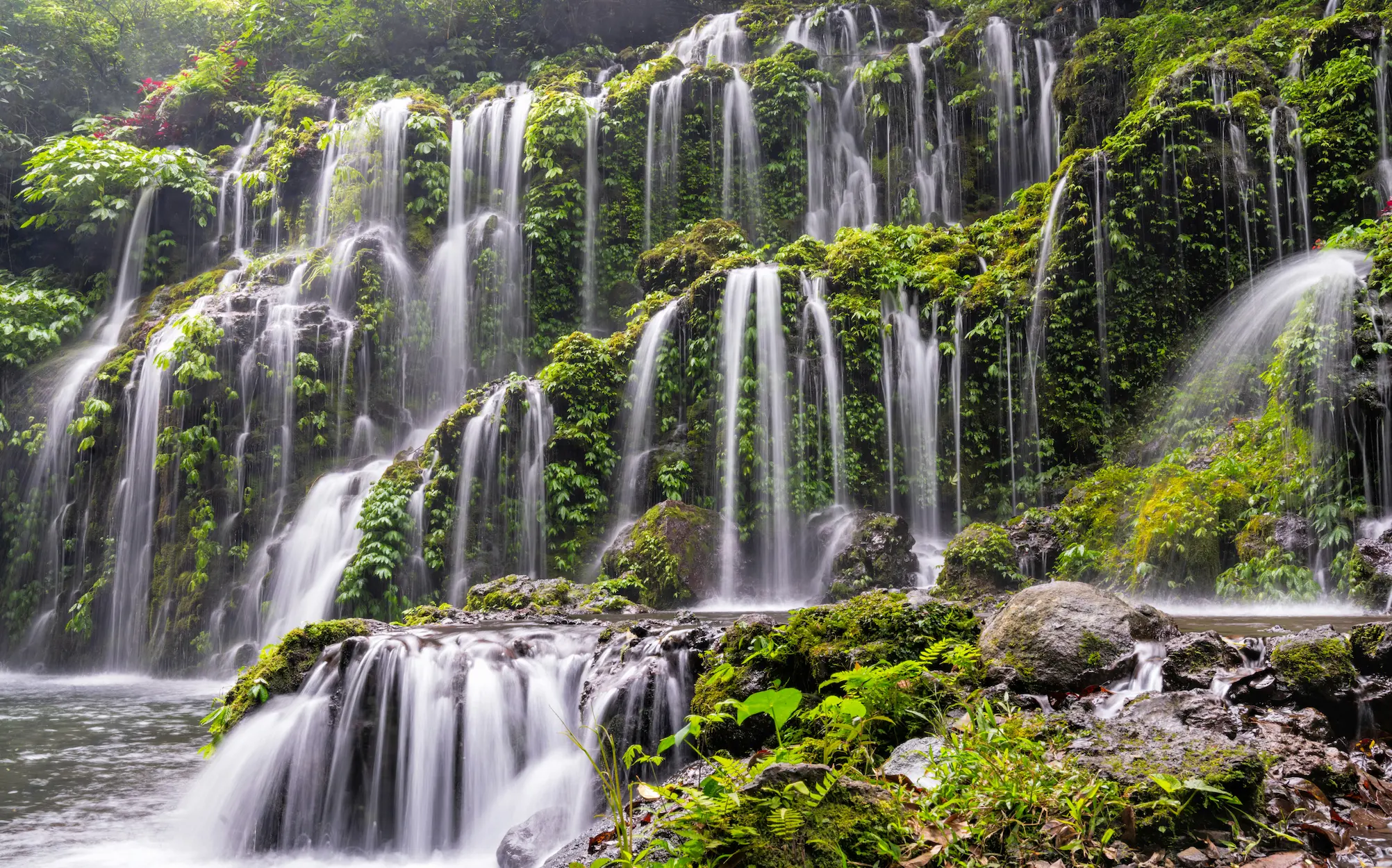
There are dozens of them in the central and northern regions. During the rainy season, their flow increases.
Beaches
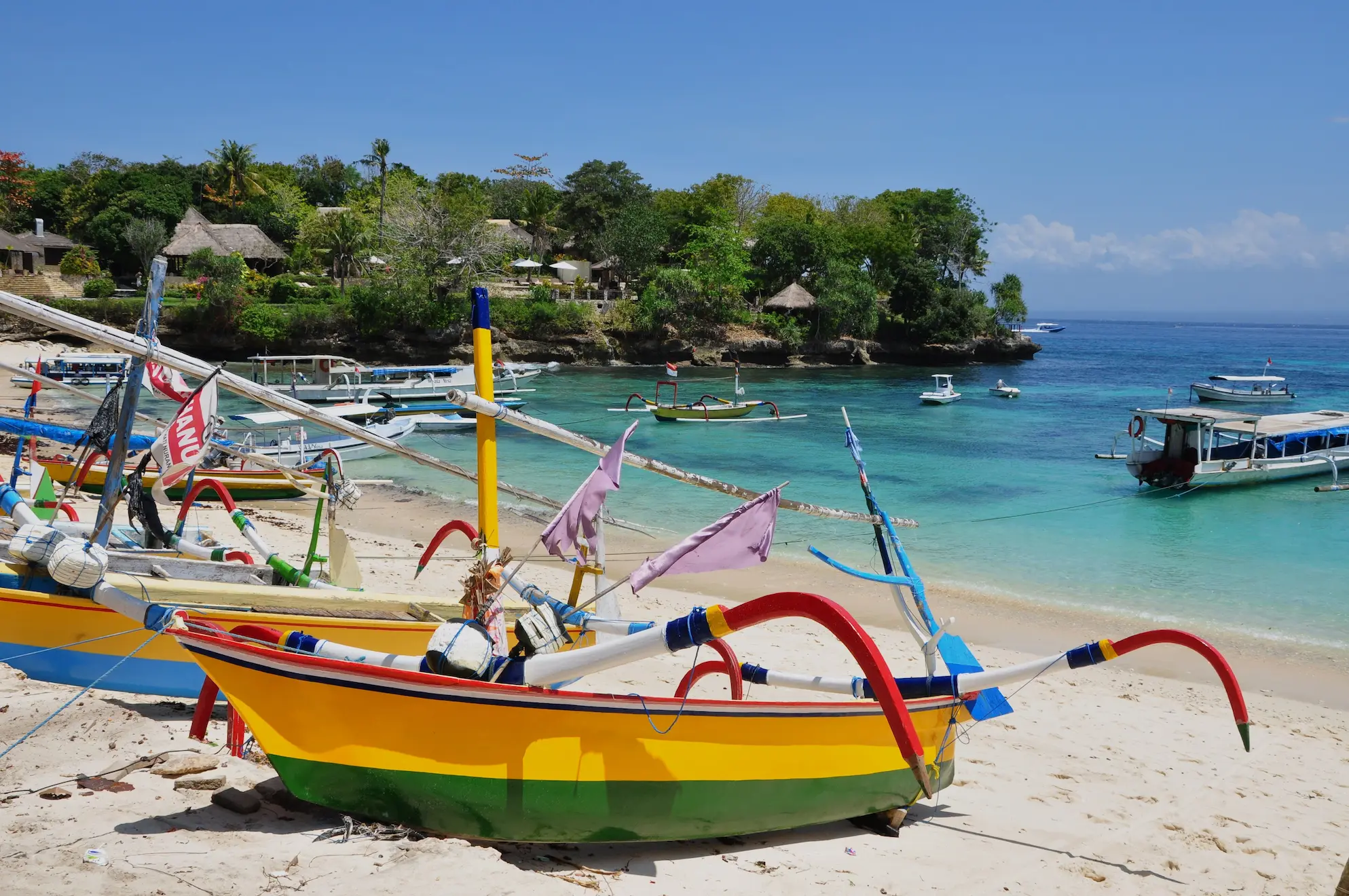
If you're coming to Bali just for the beaches, you should know that the most beautiful ones are in the south and that during the rainy season, the west coast may not be at its best. Bali isn't an island of beaches—it's an island with beaches.
For further reading: Bali's Nature
Depending on your days
Three Ways to Explore Bali
From a quick getaway to a leisurely trip.
7 days
Bali in 7 Days
With seven days, you'll have to make a choice. Our suggestion would be to base yourself in Ubud and spend one day in each of the nearby areas:
- The Sacred Center: Tirta Empul and Tegallalang.
- Sunrise at Mount Batur.
- A Getaway to the North, to the lakes and Jatiluwih.
- A Day in the South to end the day with a sunset in Uluwatu.
You'll be left wanting more of the East.
10 days
Bali in 10 Days
Ten days are enough to see all four regions—central, northern, eastern, and southern—with a few free days in between. The eastern region (Lempuyang and Tirta Gangga) and the southern region require long days on the road, so it’s a good idea to alternate them with more relaxed days.
14 days
Bali in 14 Days
It's the length of time that lets you travel at a leisurely pace. It gives you enough time to see the whole island, hike up the volcano, recover the next day, and have some real days off.
Here's how we've planned our New Year's Eve itinerary: single base in Ubud, a single suitcase unpacked in fourteen days, and daily trips to the north, east, and south, returning every night to the same hotel.
Why a Single Base Works in Bali
Moving from hotel to hotel in Bali is tiring and, because of the traffic, impractical. From Ubud, you can reach almost the entire island in a single day, and returning to the same place every night makes a big difference to the trip: you only have to unpack once.
If you're planning your trip on your own and would rather explore different areas, don't stay in more than two or three places in total. Changing hotels every two days eats into your driving time—time you won't get back.
What Doesn't Show Up in the Photos
Bali Unfiltered
Is Bali as idyllic as it looks on Instagram? Partly yes. Partly no. Here's what you need to know.
Traffic
The most common mistake people make when planning a trip to Bali is assuming that, because it looks small on the map, everything is close by. The roads are narrow, and traffic is heavy in many areas, so a trip that seems short can take much longer during morning and evening rush hours. Getting to Lempuyang from Ubud, for example, can take between two and three hours.
If you're planning your trip on your own, here are three simple rules
- Only one area per day.
- Avoid crossing the island during rush hour.
- Before booking a secluded villa, check how long it actually takes in getting to what you want to see.

The photo of the Gates of Heaven
You've surely seen it: a stone gate, a volcano in the background, and a perfect reflection at its feet. The famous image of Lempuyang, with the gate reflected in a «lake,», There is no water. The reflection is created using a small mirror that a local photographer places under the cell phone camera. And to get that photo, you have to take a number and wait your turn: according to travelers’ accounts, it can take anywhere from one hour to three or four on the busiest days. Also, the volcano in the background is only visible if the clouds allow it.
Is it worth the trip? For us, yes—but not just for the photo. Lempuyang is one of the island’s most sacred temples; it’s nestled deep in the mountains, and the experience of hiking up there is worth it in and of itself. If you know about the mirror before you get there, you’ll enjoy it even more.

The Monkeys of Ubud
They're adorable and also very clever: they can carry glasses, hats, bottles, and anything that sparkles or crinkles. In the monkey forest, keep everything in your backpack, don't leave food out in the open, and don't try to retrieve anything on your own.
Massification
In 2025, Bali welcomed nearly 6.95 million international visitors—more than the number of its residents. This is especially noticeable in certain places: the most famous rice fields around mid-morning, certain temples in the south at sunset, and the streets of Ubud during peak season. The island is aware of this, which is why it has introduced a tourist tax and a list of rules for visitors. The best strategy is simple: get up early, visit the most famous spots in the morning, and save the afternoons for lesser-known spots.
Tourism also puts pressure on the very things it comes to experience. Academic studies on Jatiluwih, one of the rice terraces protected by UNESCO, have documented how the growth of tourism is changing the landscape and the challenges of managing it. We’re telling you this because, for us, traveling is above all about trying to understand the place you’re visiting. The better you understand it, the better your travel experience will be.
Prices
Bali caters to travelers with a wide range of budgets, and there are two sides to that. On the one hand, warung You can eat well for very little; at a beach club in the south, you'll pay European prices. And during peak season—especially between Christmas and Three Kings Day—hotel rates and flight prices go way up.
Bali might not be for you if…
- You're looking for empty white-sand beaches every day of your trip.
- Do you find traffic or spending time on the road stressful?.
- You want guaranteed sunshine and are traveling between December and February.
- You're not interested in culture or spirituality—you're just looking to party.
But if…
- You like to learn about how other societies live.
- You're moved by the scenery.
- You want to understand a different culture.
- You like waking up without knowing what surprises the day will bring.
So maybe Bali really is the right trip for you.
And yet…
There are things that no photo can capture: the scent of incense in every doorway first thing in the morning, the sound of the gamelan echoing from a village, the silence of a rice paddy at sunset, the kindness of someone who takes the time to explain what an offering is for. Bali has its downsides, like all heavily visited places, but its daily life remains one of the most fascinating in Asia.
Our First Trip to Bali
Getting Ready for Bali
So we're planning our first trip to Bali.
Stage 1
We conduct researchBy reading, asking questions, and cross-checking official sources, which we cite at the end of this guide.
Stage 2
We planned the routeToured stop by stop with a Balinese guide, based exclusively in Ubud.
Stage 3
Coming soonWe traveledFirst edition, December 21, 2026, through January 3, 2027.
Stage 4
Coming soonWhat We LearnedWhen we return from our first trip, this section will become «What We Learned in Bali.».
Why We Chose Ubud as Our Base
Because of its location in the center of the island and because we wanted to be able to travel with just one unpacked suitcase. Eleven nights at the same hotel during our fourteen-day trip.
Why Choose a Balinese Guide?
Because no one knows her homeland better. We've gone over the route with her, stop by stop, and once we arrive at our destination, she'll be the one to provide the context that only someone from the island can offer.
Why at the end of the year?
Because we wanted to ring in the New Year in a way unlike any other. To bid farewell to the old year on an island where every day begins with an offering, and to welcome the new one in peace.
A Living Guide
This guide will continue to grow
What you can already read and what we'll be adding.
Our Own Story
First, how we’re preparing for Bali. Next, how it went for us. And finally, what we’d change.
Bali in a Small Group · New Year's Eve 2026
What if you don't want to organize it yourself?
Planning a trip to Bali takes time: visas, fees, arrival cards, itineraries, hotels, guides, and road schedules. We’ve spent months researching it to come up with a way to explore the island without having to organize everything ourselves.
- Dates
- From December 21 to January 3. Fourteen days.
- Accommodation
- Stay exclusively in Ubud, with 11 nights at a hotel.
- Group
- Groups of 6 to 13 travelers, with Rakel or Toni in the group and a Balinese guide who speaks Spanish.
- New Year's Eve
- Dinner is included.
- Price
- €2,495 per person, plus international flights.
If it's not the right time yet

The free guide You might also find this helpful: 23 Things Nobody Tells You Before You Book a Trip Abroad.
Get the guideDo you have any questions? Write to us.
Follow the thread
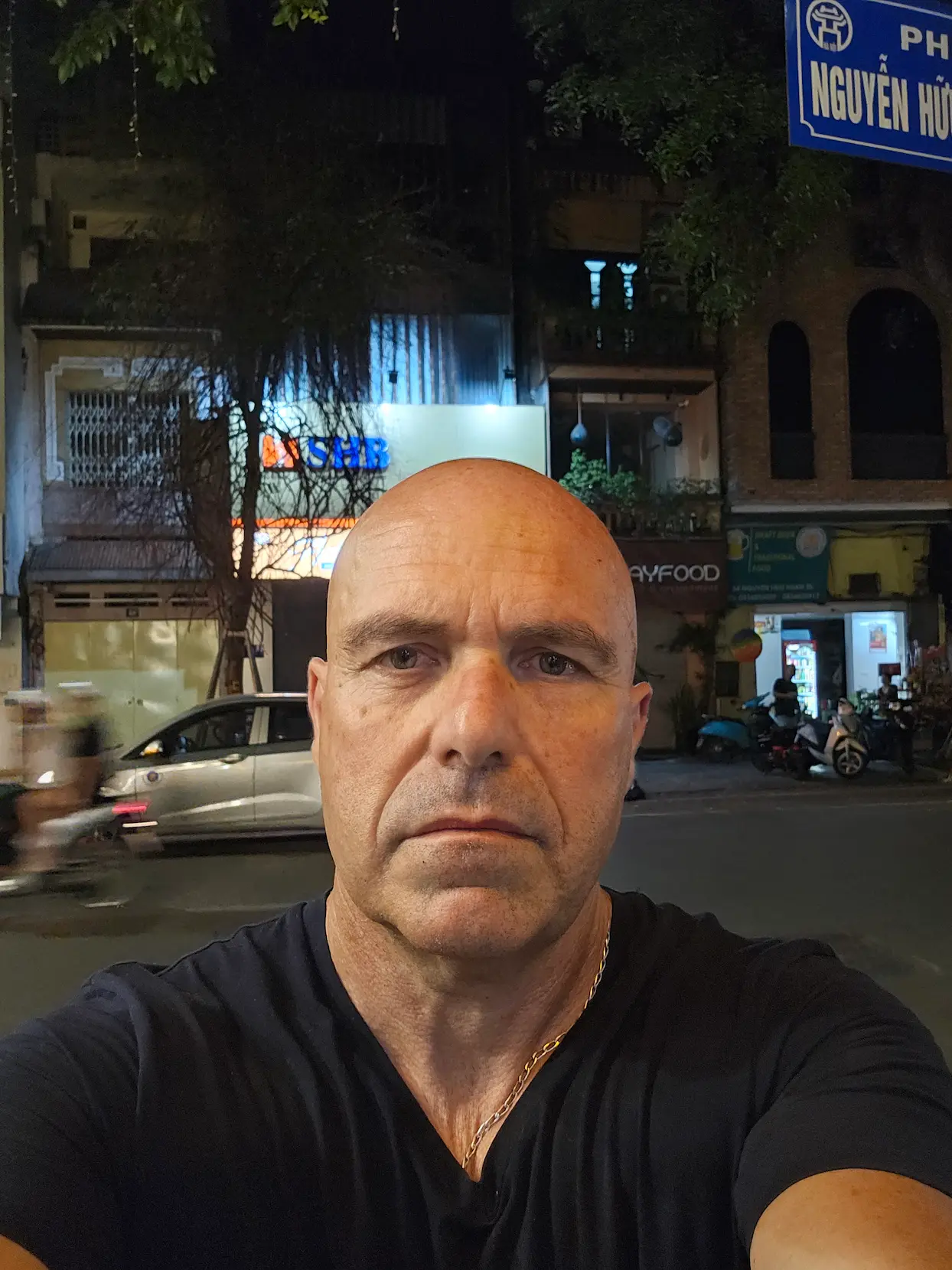
Rakel and Toni. We wrote this guide ourselves before our first trip to Bali.
The Most Frequently Asked Questions
Frequently Asked Questions About Traveling to Bali
The short answers. All the details are above.
Do I need a visa to travel to Bali with a Spanish passport?
Yes. You can apply for a visa on arrival (VoA) at the Denpasar airport or online before your flight (e-VoA) at evisa.imigrasi.go.id. It costs 500,000 rupees and allows for a 30-day stay, which can be extended once. A price increase has been announced but no date has been set yet, so be sure to confirm the price before paying.
How much is the tourist tax in Bali?
150,000 rupees per person, including children. This fee is separate from the visa and is paid once per trip on the website or the official app. Love Bali.
Do I need to fill out any forms before I arrive?
Yes, the All Indonesia arrival card, at allindonesia.imigrasi.go.id. It's free, and you can only submit it within the three days prior to arrival.
Does it rain a lot in Bali in December?
December is in the middle of the rainy season. Heavy, short downpours are common, especially in the afternoon or evening, with mornings that are often clear. It rarely rains all day long.
How many days does it take to see Bali?
We recommend spending between 12 and 14 days to see the central, northern, eastern, and southern regions at a leisurely pace, taking into account the long flight and the time difference.
Do I need a plug adapter in Bali?
No. Bali uses 230-volt Type C and F plugs, the same as in Spain.
Are there any required vaccinations for traveling to Bali from Spain?
No vaccinations are required to enter if you're coming from Spain. A yellow fever certificate is only required for travelers arriving from countries where there is a risk of transmission. Even so, check with an International Vaccination Center before traveling.
Is it safe to drink tap water in Bali?
It's not recommended. Always drink bottled water.
What is Nyepi?
It's the Balinese New Year, in March. For 24 hours, the island falls silent: there's no traffic, the airport closes, and tourists stay in their hotels.
Are women who are menstruating allowed to enter temples in Bali?
According to Balinese tradition—and as stated in the official guidelines for tourists—women should not enter temples while menstruating.
Sources consulted
- Indonesian Directorate General of Immigration · e-VoA: evisa.imigrasi.go.id
- All Indonesia Arrival Card: allindonesia.imigrasi.go.id
- Bali Provincial Government · Love Bali (tourist tax): lovebali.baliprov.go.id
- Bali Department of Tourism · Circular 7/2025 on Regulations for Tourists: disparda.baliprov.go.id
- Indonesian Ministry of Tourism · Indonesia.travel (electricity and plugs)
- Indonesian Ministry of Religious Affairs, Population Data by Religion, 2024 (via Databoks)
- Spanish Ministry of Health · Indonesia's Entry Requirements (Yellow Fever)
- Bali Provincial Statistics Office (BPS Bali) · International Arrivals in 2025: bali.bps.go.id
- UNESCO · List of Intangible Cultural Heritage: the gamelan (2021) and three traditional dance genres in Bali (2015)
- Rahmi and Setiawan (2020), Pressures on the Balinese World Cultural Landscape Heritage: The Case of Jatiluwih Subak Village, Gadjah Mada University
- UNESCO · Cultural Landscape of the Province of Bali: The System subak (2012 registration): whc.unesco.org/en/list/1194
- Media: ANTARA, Jakarta Post, and Jakarta Globe (visa fee increase announced in August 2026; airport closure on Nyepi)
Last revised: September 2026