 Inner Atlas · Photography
The most photogenic places on the planet
Places where the photo only exists during a very specific moment of the day, week or year.
You've seen the photo a thousand times. Then you go, take your own, and it's not the same.
The black trees of Namibia on white clay. The five towers of Angkor doubled in the water. The aurora over a cabin in Lofoten.
It's almost never the camera. It's that in the most photogenic places on the planet the photo only exists during a very specific moment. The rest of the time you're photographing something else that looks similar but isn't.
This article is about that: what makes a place photogenic, where it happens, and above all when. The most photogenic places on the planet aren't photogenic at all hours.
Every figure quoted is verified against an official source. What we couldn't verify isn't here.
What makes a place photogenic
Contrast
Snow and rock. Whitewash and blue sky. The photo needs two things that separate.
Scale
A tiny person in front of a dune explains the size better than a figure.
Low light
The low sun comes in from the side and brings out the texture. The high sun lights everything evenly and flattens it.
Texture
Dunes, glaciers, terraces, carved stone. That's what gives depth.
Reflections
Still water doubles the landscape. It needs enough surface and calm air.
Movement
Waterfalls, clouds, auroras. They turn a still image into something that's happening.
The rule that governs everything
Golden hour doesn't last an hour
It's the stretch when the sun is between 6 degrees above and 6 below the horizon. Its light passes through ten to forty times more atmosphere than at midday, and that atmosphere keeps the blue.
at the equator
latitudes
at sunset
How long it lasts depends on latitude. In Bali you have twenty minutes; in Norway, the whole afternoon. If you arrive late in the tropics, there's no second chance until tomorrow.
The blue hour comes afterwards, with the sun between 4 and 8 degrees below the horizon. Twenty or forty minutes, and the light goes to 9,000-12,000 kelvin. Artificial lights and the sky carry the same weight, and that's why neither burns out.
Deadvlei sunrise deceives
Where the sun rises and the ground stays dark
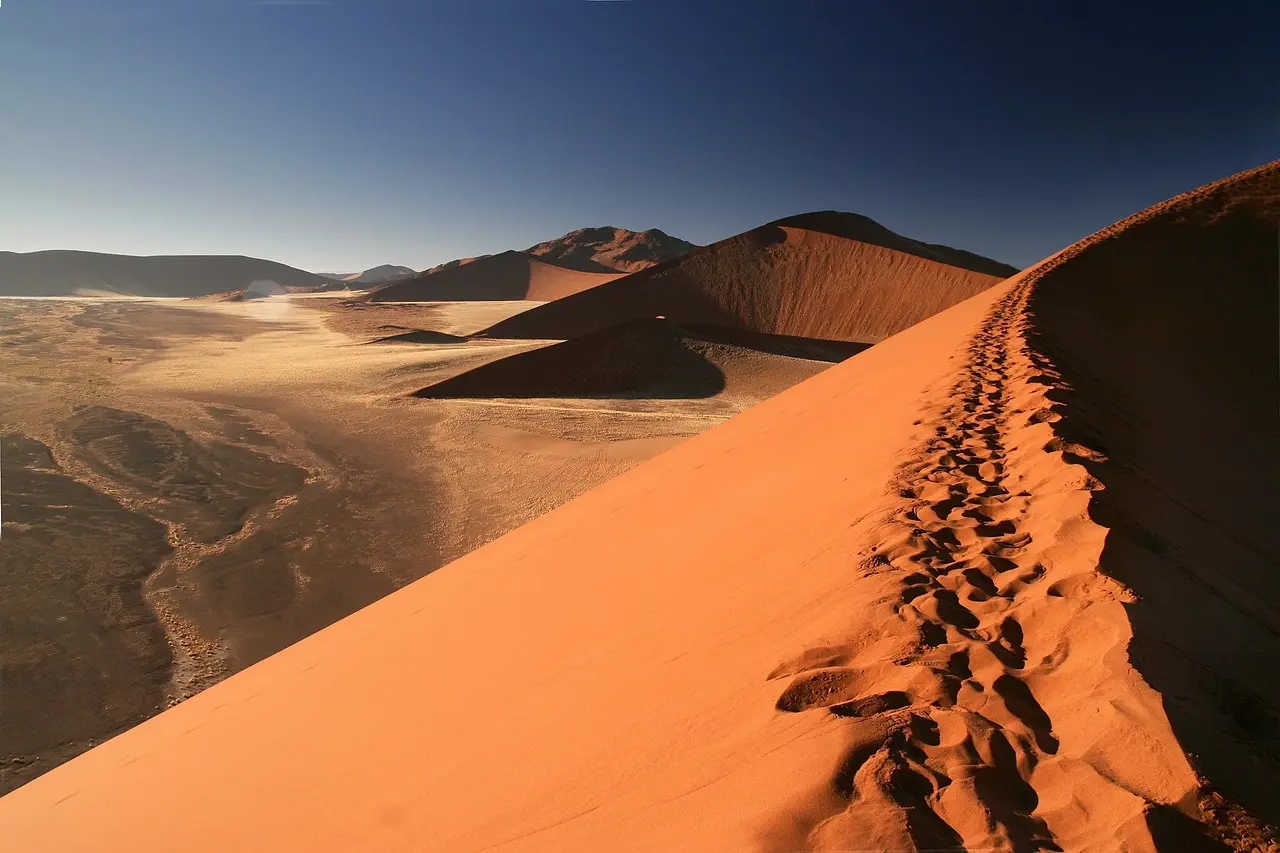
A hollow of white clay with acacias dead for centuries, so dry they haven't been able to decompose. All around, orange dunes. Four colors and no more.
Almost every guidebook says: go at sunrise. And here's where it gets interesting, because not everyone agrees, and the disagreement has a physical explanation.
The dunes are higher than the angle of the sun at sunrise. First thing, the crests are lit up and the ground stays in shadow.
The park gate opens at sunrise and there are 60 kilometers to the parking lot. If you sleep outside, by the time you arrive the light has gone.
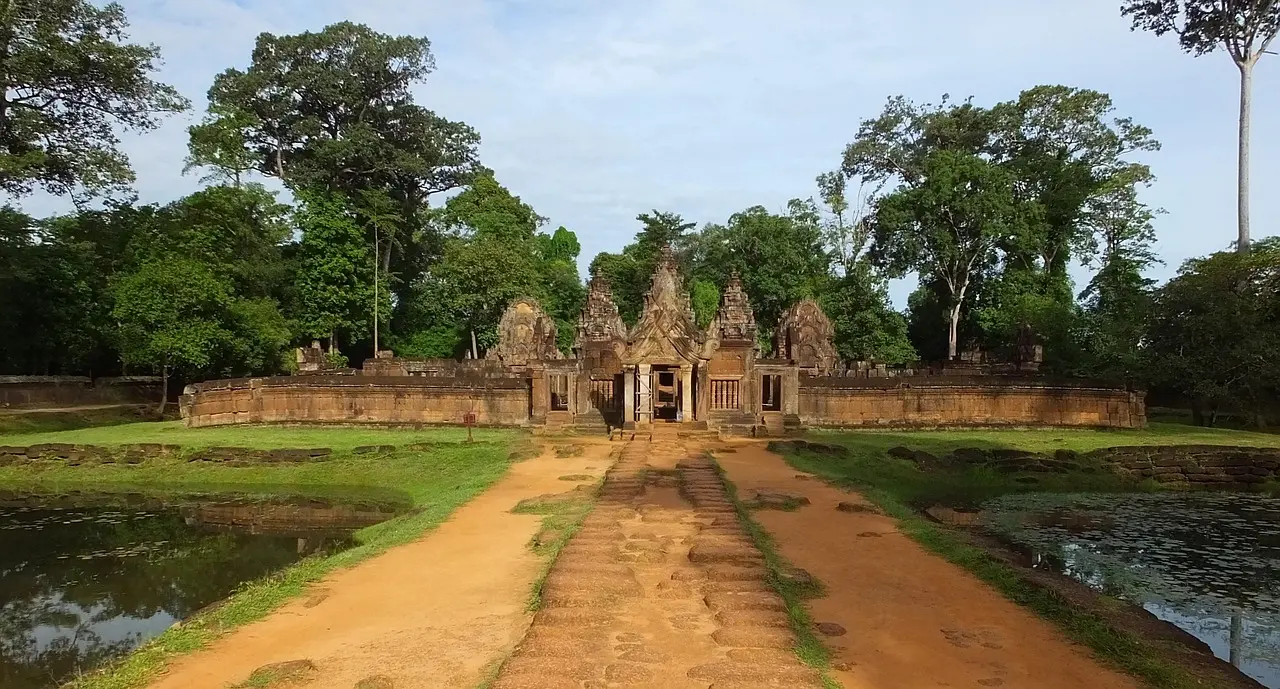
Angkor depends on the rain
The most repeated photo in Asia needs the monsoon
The temple faces west. It's unusual, and it's exactly what makes the photo possible: the sun rises behind it and the five towers are backlit.
From May to October they're full and the reflection works. In the dry season they can empty. The perfect photo is taken in the season when everyone tells you not to go.
It opens at five a.m. and sunrise ranges from 5:30 a.m. in June to 6:20 a.m. in January. Stay half an hour after it rises: that's when the light gets into the stone.
times a year the sun rises exactly over the central tower. They aligned it that way nine hundred years ago.
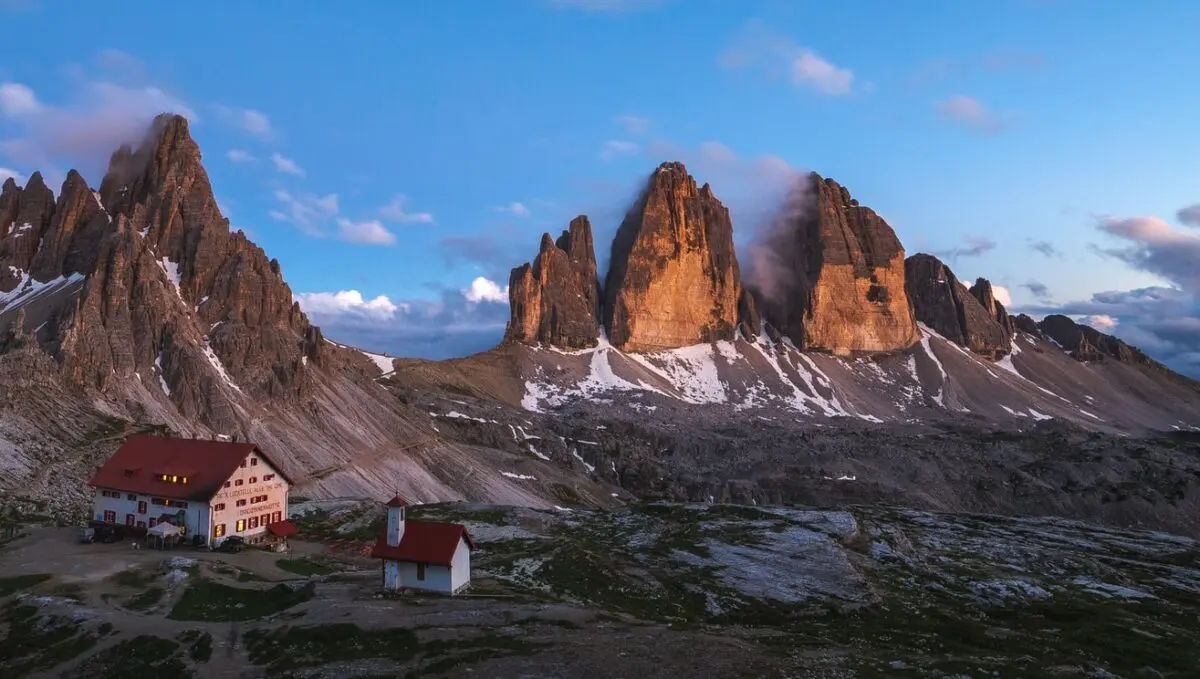
Dolomites 141,903 hectares
Rock that changes color twice a day
Eighteen peaks above 3,000 meters. UNESCO protects 141,903 hectares in nine areas.
What makes them special is the limestone: at sunrise and sunset it takes on warm tones that contrast with the green of the meadow. That's why many photos look retouched without being so.
A short walk to another perspective gives an image far more your own than the one ten thousand people have already taken from the same spot.
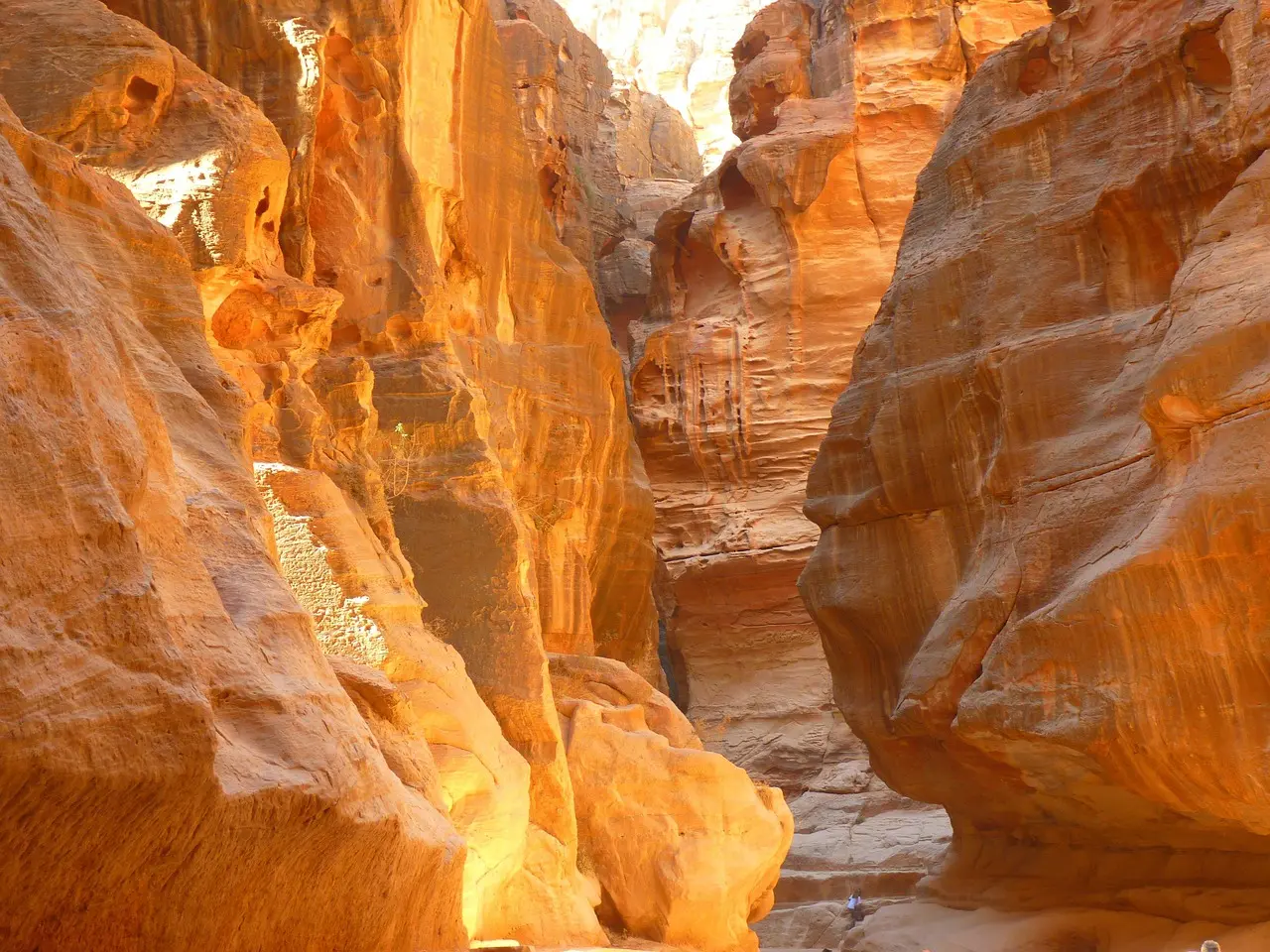
Petra light through a crack
It's partly built and partly carved into red sandstone. The well-known image is the Treasury, but the interesting part is the Siq: the gorge that leads to it.

Wadi Rum twelve thousand years
74,000 hectares of open desert. UNESCO recognizes it as a mixed site because there are 25,000 petroglyphs and 20,000 inscriptions recording the early development of the alphabet.

Lofoten the moon rules
Everyone looks at the wrong index
People talk about the Kp index, which measures geomagnetic activity from 0 to 9. Correct, but incomplete. The factor that matters most is the phase of the moon.
There's a second documented factor: the equinoxes. Late September and late March are historically the most active.
The new moon of September 11, 2026 and that of March 8, 2027 fall in the heart of the two seasons. And three to avoid: the supermoons of October 7, November 5 and December 5.
And the tip that changes everything: you need a foreground. Without it, the aurora is just a light. With it, it's a place.

Bali 9th century
The terraces have been working the same way for a thousand years
The subak system has been sharing out the water for the rice paddies communally since the 9th century. UNESCO protects some 19,500 hectares in five areas.
They work because they create natural curved lines. From a certain height they become geometric patterns, and that makes the photo even if there's nothing else.
We go into more detail in the nature of Bali. And yes, it's one of our trips.
is the century in which subak began. The terraces you photograph have been the same for more than a thousand years.
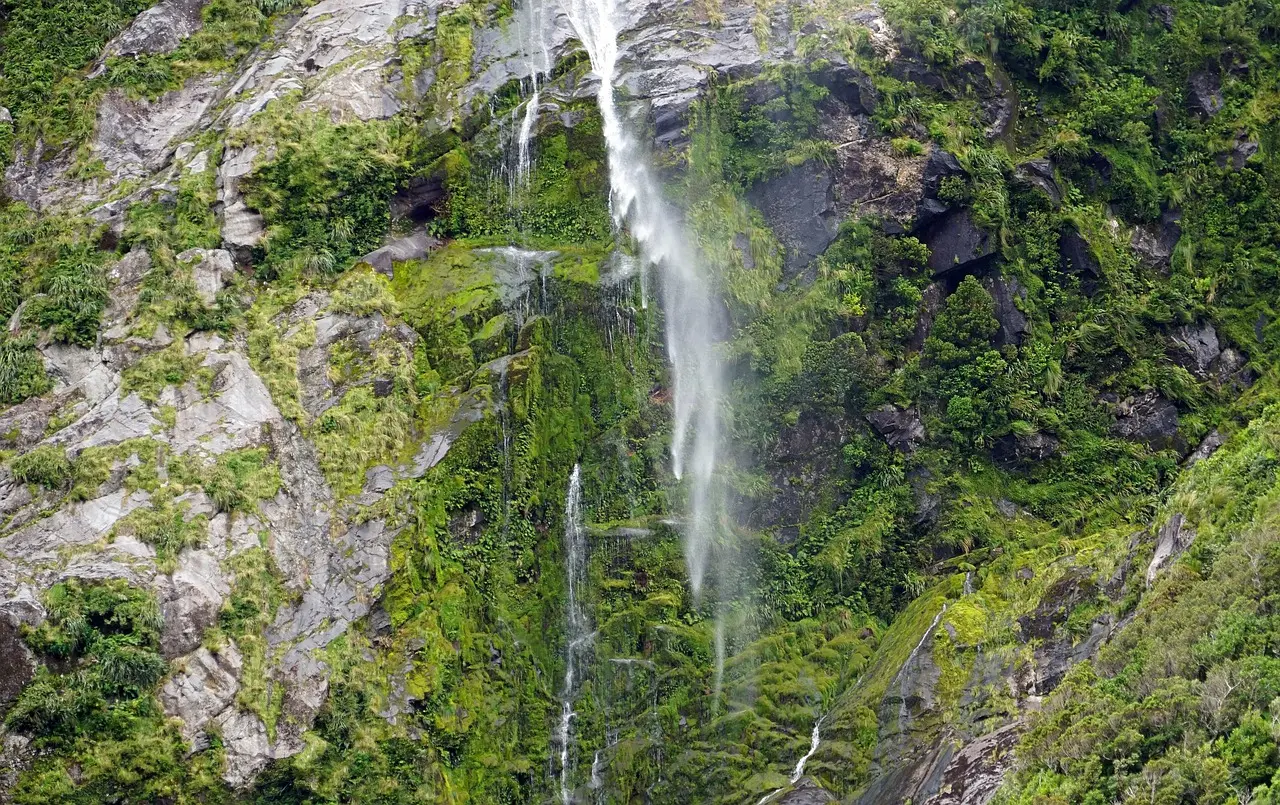
Milford rain works in your favor
A fjord with vertical walls and Mitre Peak rising almost a kilometer above the water. It rains a great deal here, and when it rains temporary waterfalls appear that don't exist on dry days.
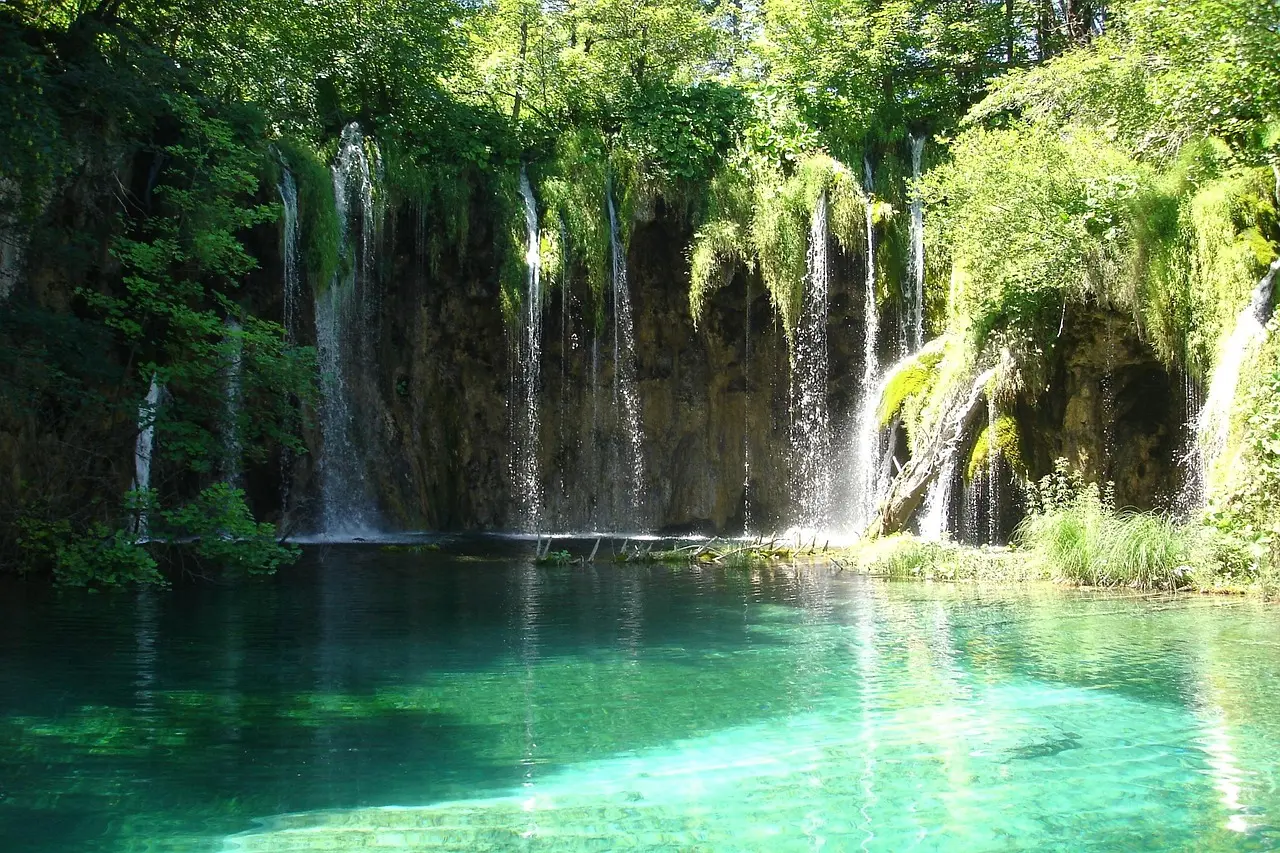
Plitvice keeps growing
The barriers that separate the lakes are still forming. They're made of travertine, deposited through the interaction of water, air and certain organisms.
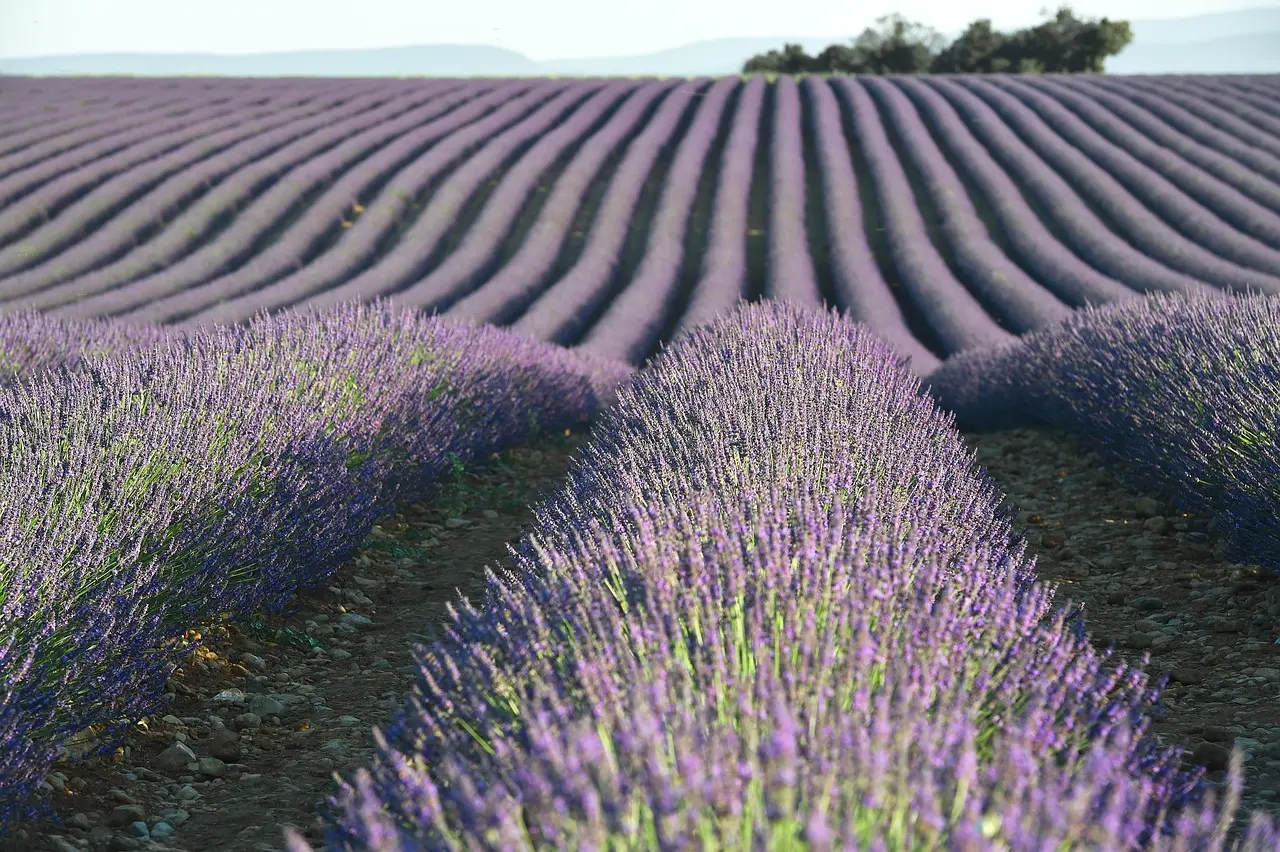
Provence three weeks
Places you don't visit: you catch them in time
The lavender blooms between late June and mid-July. Three weeks. Outside that window, the field exists but there's no photo.
Valensole and Sénanque Abbey are the most photographed, and the best light is first thing or just before sunset.
The gardens are only open from March to May. And Kyoto's blossom shifts every year depending on the temperature of the preceding weeks.

Santorini an eruption
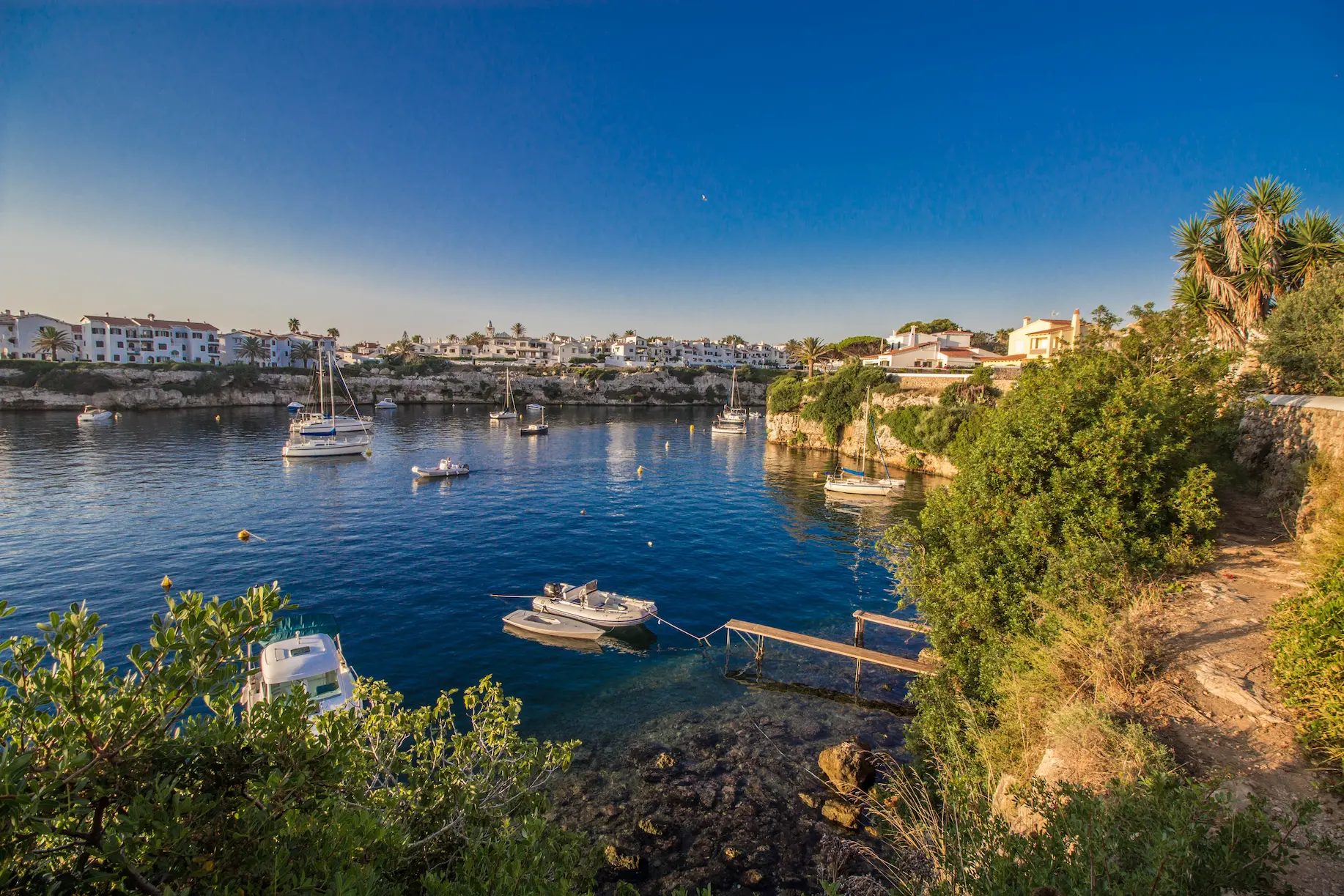
The caldera is what was left when the volcano collapsed. The villages were built on that rim. The white of the whitewash against the blue of the Aegean is one of the strongest contrasts there is.
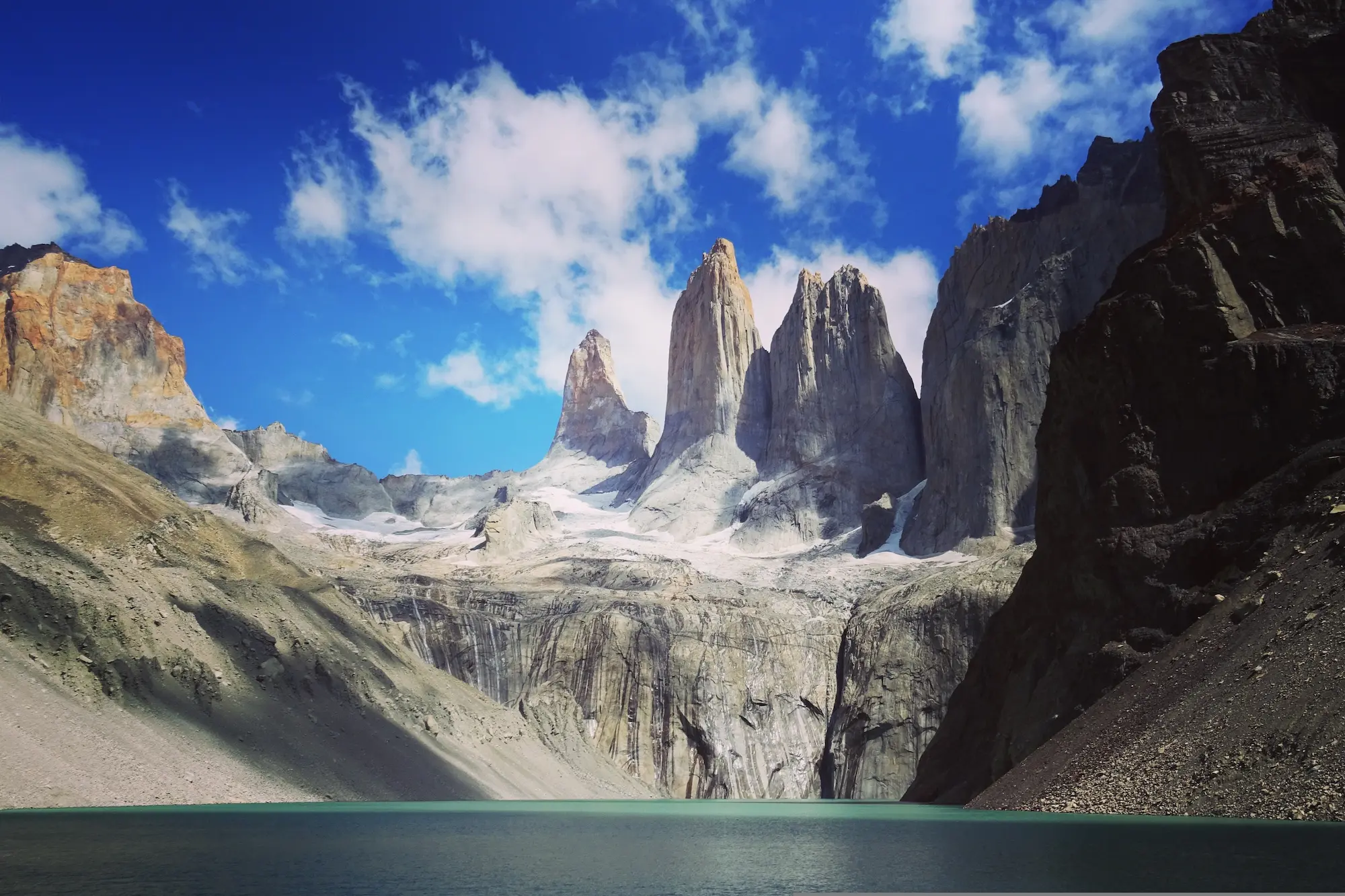
Paine a question of scale
More from 227,000 hectares of granite shaped by ice. Here there's only one resource: scale. A tiny person in front explains the size instantly.
What they all have in common
The secret behind an unforgettable photograph
What the most photogenic places on the planet share.
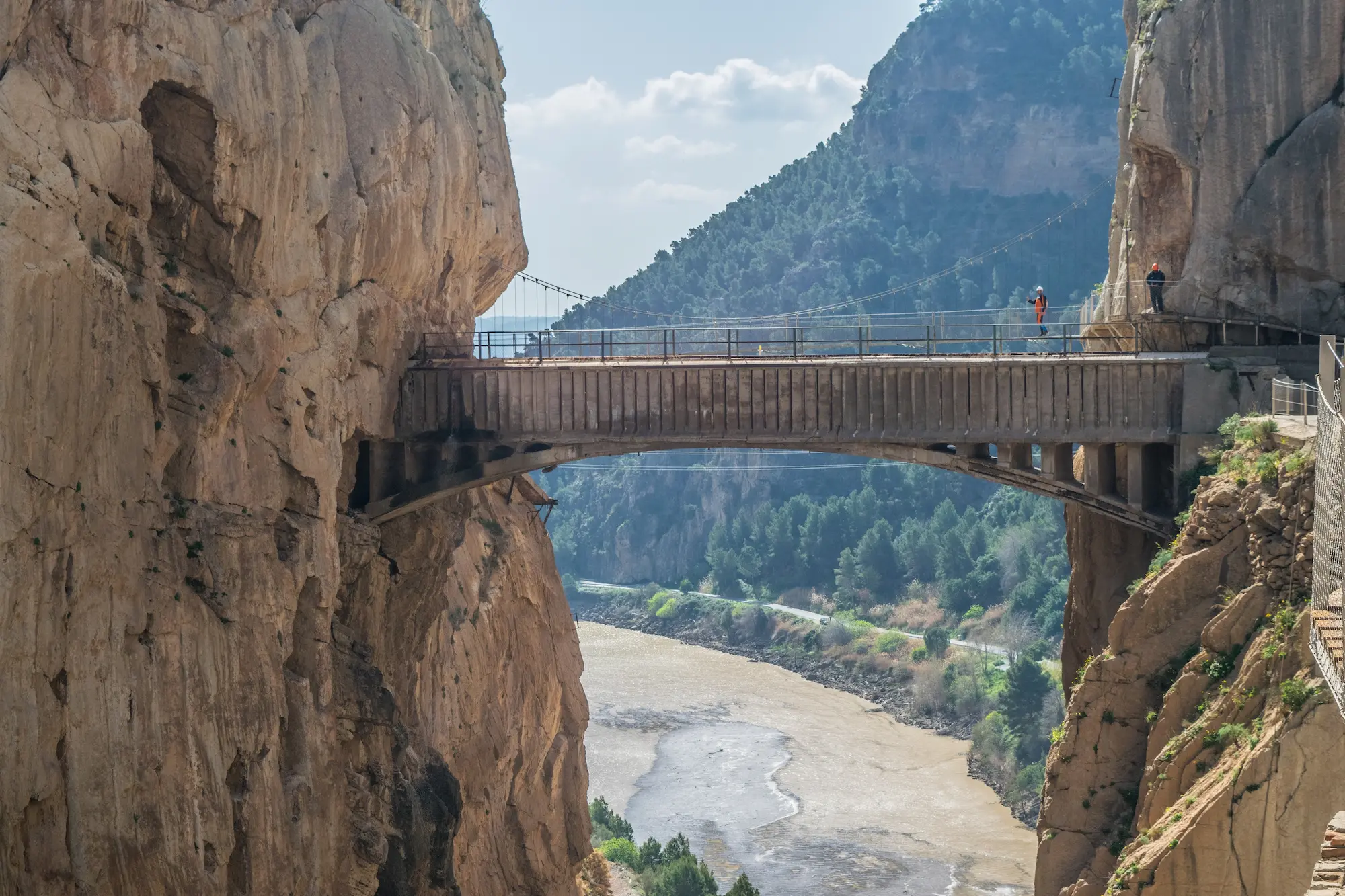
Low light separates
The low sun comes in from the side and brings out the texture. The high sun lights everything evenly and flattens it. That's why dunes work first thing and at midday look like a drawing.
Contrast is the subject
In Deadvlei the photo isn't the tree: it's the difference between the tree in shadow and the lit-up dune. Without that difference there's no image.
Water rules
A reflection depends on rain, wind and the time of day. You control none of the three, and without a sheet of water there's no reflection.
Arriving early decides it
Planning isn't about the gear: it's about being in position before the light arrives. It's the one thing every serious guide to all these places repeats.
What you need to know before booking
Three facts that apply to any of the most photogenic places on the planet.
What time the sun rises
That day and in that specific place. Not in the country. PhotoPills or The Photographer’s Ephemeris calculate it for any point and date, including the position where it will appear.
What phase the moon will be in
For auroras and for any night photo. And the reverse: a bit of moon lights the foreground, which is sometimes exactly what you want.
Whether there's water at that time of year
It applies to Angkor, to the rice paddies of Bali, to the waterfalls of Plitvice and to any reflection.
The personal note
In the end, it's about being there
I like traveling for many reasons. But there's one that's perhaps the hardest to explain: that moment when you arrive somewhere and for a few seconds everything is wonderful.
The light. The landscape. The silence. The person next to you. And you, simply there.
Afterwards you can take a photo. Or a hundred.
I'm Toni, from SunZen Travel, and I've spent a long time discovering that the best trips aren't necessarily the ones with the most things. They're the ones with that moment you know you'll remember for a long time.
And if you've got this far because one of these places made you think "someday I want to see it".
The world is full of places you'll enjoy, and even if you've traveled a lot, the world keeps places with the capacity to surprise you.
Keep reading
Other questions from the Inner Atlas
If you enjoyed the most photogenic places on the planet, these are the reads that best accompany what you've just seen.
And if you'd rather start slowly
The guide, free.

23 things no one tells you before you book. Everything that happens before you board the plane.
Get the guideDon't know where to go? Try the world test: nineteen questions and three places at the end.