Inner Atlas · Vietnam Series · SunZen Travel
Vietnam Records:
65 discoveries that
changed science
There are countries you visit just to tick them off a list. Vietnam is one of those that reminds you how little we really know about the world.
discoveries
series
yet to be discovered
The saola was discovered in the Annamite Range. One of the greatest discoveries of large land animals of the 20th century.
SaolaVietnam is one of the countries where the most unknown species are described annually. Its forests still hold secrets.
ScienceThe Phong Nha-Kẻ Bàng system began forming 400 million years ago. A planet within a country.
EarthInner Atlas · Vietnam Series
65 records of Vietnam
World records, never-before-seen animals, archaeology, unique ecosystems, and the future of exploration. Five series.
Vietnam Records
World records: Vietnam on the science map
We're not talking about tourism records. We're talking about places and phenomena that the international scientific community recognizes as unique on the planet.
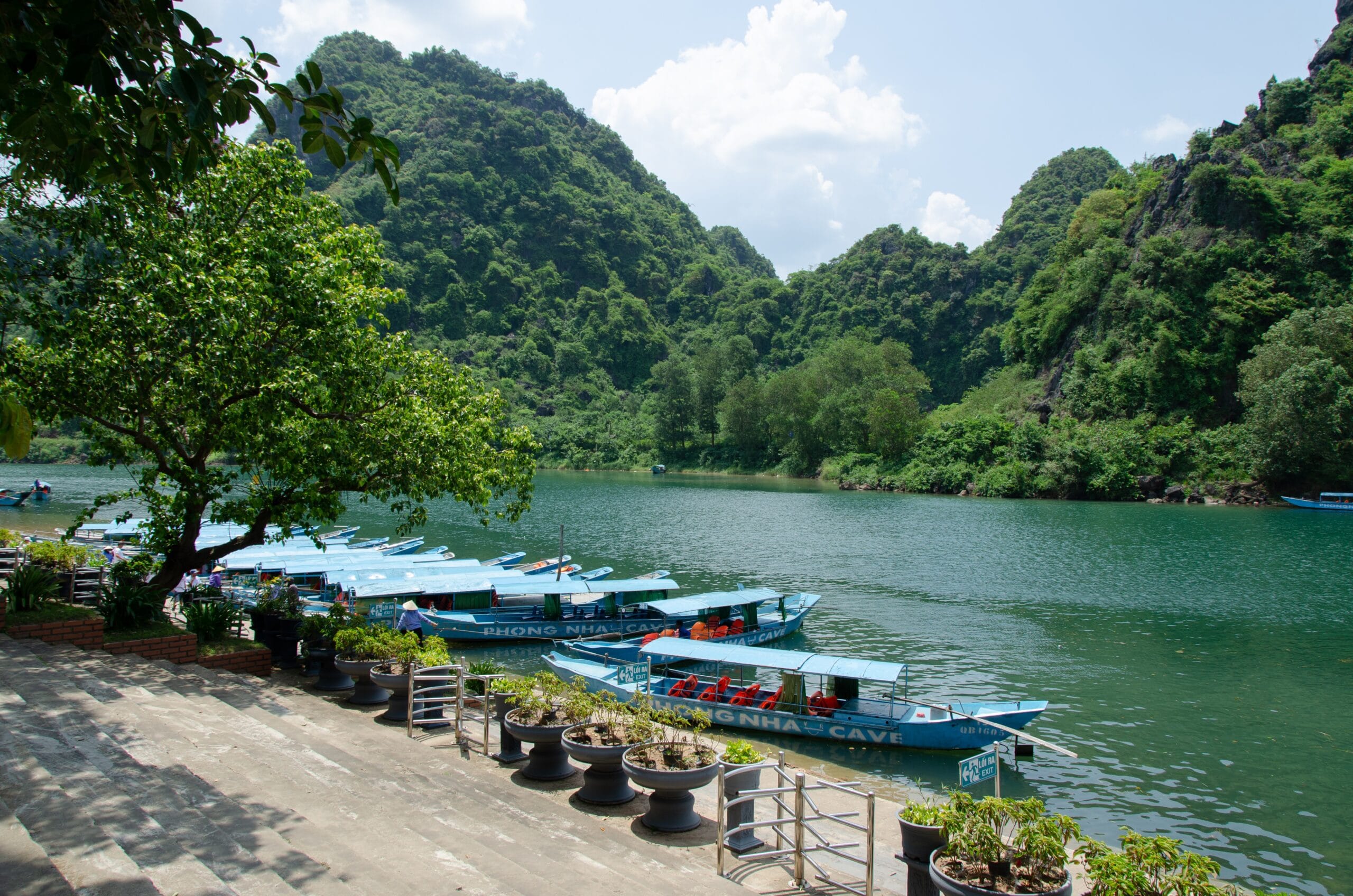
Phong Nha-Kẻ Bàng, recognized for its exceptional geological value
This park was declared a UNESCO World Heritage Site for preserving a landscape of limestone mountains and caves formed during hundreds of millions of years — one of the oldest and most complete karst systems in Asia.
Vietnam preserves some of the oldest forests in Asia.
In parks like Cúc Phương tropical ecosystems survive with an evolutionary history of millions of years — forests that are literally living archives of evolution.
Vietnam, one of the countries with the highest density of species in the world
Its combination of mountains, rainforests, islands, and coastlines creates a variety of habitats that allows for the existence of thousands of different species in a relatively small territory.
Hundreds of species described by science in recent decades
Over the past thirty years, new plants, reptiles, amphibians, fish, and insects have been described from its forests and mountains. The pace of discovery it hasn't stopped.
One of the greatest diversities of threatened primates in Asia
Vietnam's forests protect langurs and gibbons that survive nowhere else on the planet — species that depend exclusively on their last remaining stretches of rainforest.
Côn Đảo, one of the most important places in Asia for sea turtles
Its beaches are used as breeding grounds by turtles that lay their eggs. extraordinary ocean migrations, making it a global benchmark for its conservation.
The volcanic tubes of Đắk Nông, among the most important in Asia
These tunnels, created by ancient lava flows, represent a different type of geology than limestone caves — a unique volcanic system in the context of Southeast Asia.
Vietnam, considered a global frontier for scientific exploration
The combination of little-studied territories and enormous natural diversity means that discoveries are still emerging that change our understanding of the planet — in the 21st century.
Records both underground and above ground
Giant caves, towering mountains, tropical reefs, ancient volcanoes, and enormous river deltas coexist in the same country. No other country in Southeast Asia packs so much variety into so little space.
The white-headed langur, a global symbol of conservation
Its partial recovery is considered one of the great international examples of the protection of endangered primates — a species that exists only in Vietnam and that almost disappeared.
Coral reefs among the most diverse in Southeast Asia
Its tropical waters contain hundreds of coral species and thousands of associated organisms — an ecosystem that scientists use to measuring the health of the western Pacific oceans.
The Đồng Văn Plateau, one of Asia's most important geoparks
It preserves marine fossils, ancient mountains, and a geological history that spans hundreds of millions of years — recognized by UNESCO as a Global Geopark.
Vietnam Records
Never-before-seen animals: what science did not expect to find
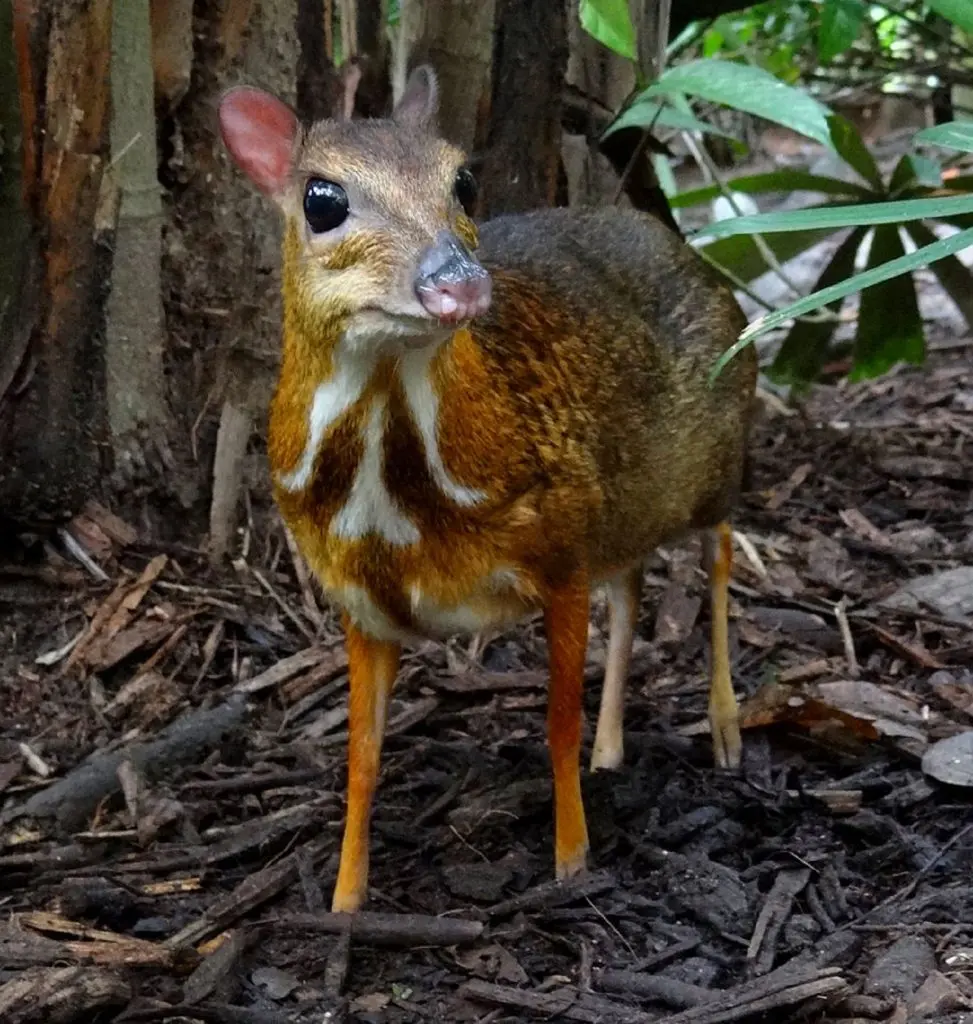
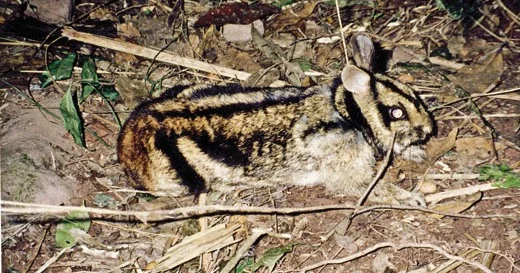
The saola. The giant muntjac. Frogs that look like moss. Vietnam continues to produce zoological discoveries that in any other century would have seemed impossible.
The saola changed the history of modern zoology
When it was found in 1992 in the Annamite Range, this mammal represented one of the greatest discoveries of large land animals of the 20th century — something extremely rare in the age of satellites.
The giant muntjac, another great Vietnamese discovery
This large mountain deer was scientifically described at the end of the 20th century and showed that the forests of Southeast Asia still hid large unknown mammals for science.
One of the most important places in the world to discover new frogs
Scientists have discovered amphibians with surprising colors, shapes, and adaptations, especially in humid mountain forests where conditions of isolation favor evolution.
Frogs designed to live on rocks and waterfalls
Several species have bodies adapted to cling to wet surfaces, survive near waterfalls, and reproduce in small streams — life forms that seem impossible until you see them.
Lizards, snakes and turtles new to science
They have appeared in mountainous regions where poorly studied habitats still exist. Some were found thanks to the geographic isolation that separated them from the rest for thousands of years.
Caves have revealed species adapted to total darkness
In some underground systems, animals have been found with loss of pigmentation, reduced eye size, and altered senses — life forms that evolved for millennia without seeing the light.
Discoveries of Vietnamese insects are constant
Butterflies, beetles, ants, and other small animals represent a huge part of biodiversity that is still to be studied. Each expedition to a new area brings descriptions of unknown species.
Some species exist only on a specific mountain in Vietnam.
Geographic isolation has created veritable evolutionary islands where animals and plants have followed their own paths for thousands or millions of years. A single mountain can harbor life forms that do not exist anywhere else on the planet.
Annamite, one of the world's great centers of biological discovery
This mountain range between Vietnam and Laos acts as a natural barrier that has separated populations for millions of years, favoring the emergence of unique species in a relatively small territory.
Many Vietnamese species were only identified thanks to DNA
DNA sequencing techniques have made it possible to distinguish species that for decades were considered the same, revealing a diversity much larger than was known.
Vietnamese bats, a little-known diversity
Caves and forests are home to numerous species that play an essential role in pollination, insect control, and seed dispersal. Many of them were recently described.
The saola remains one of the greatest mysteries of zoology
Despite its discovery more than thirty years ago, it has almost never been photographed in the wild. Its biology, behavior, and exact distribution area remain the subject of active research.
Vietnam, one of the best places in the world to study evolution
Its islands, mountains, and caves function as natural laboratories where scientists can study how new forms of life appear in real-time evolution.
Vietnam Records
Archaeology and time: what the earth has been holding for millennia
The caves of Vietnam are not just geology. They are also archives of human history, with evidence of human presence that changed our understanding of migrations in Asia.
Cave fossils reveal vanished ecosystems
The remains found in different regions show that the territory was once occupied by seas, ancient forests, and animals that no longer exist. Each cave is an archive of what the planet once was.
Fossils of marine organisms found high in the mountains
These rocks contain remains of marine mollusks, ancient corals, and microscopic organisms — evidence that the territory was under the ocean millions of years ago.
Vietnamese caves are also archaeological archives
Its sediments have preserved tools, human remains, and evidence of ancient cultures. Some sites changed the understanding of how Southeast Asia was populated.
Some of the most important archaeological sites in Southeast Asia
Places like the caves in the region of Hòa Bình provided fundamental information about the first inhabitants of this part of the world and their ways of life.
The Hoa Binh culture, an archaeological reference point throughout Asia
Their stone tools and remains found in caves helped to understand how prehistoric human groups lived in the region. A name that any archaeologist on the continent knows.
Evidence of human presence for tens of thousands of years
Its caves and archaeological sites show a very ancient human occupation related to the large population movements of Southeast Asia towards the Pacific islands.
Discoveries that changed the view on human migrations
The findings indicate that Vietnam was a important transit corridor between mainland Asia and the Pacific islands — an active human bridge for tens of thousands of years.
One of the oldest agricultural histories in Southeast Asia
Archaeological studies show a long tradition of plant cultivation and domestication of species since prehistoric times — Vietnam among the first farmers in the region.
Ancient trees, archives of the climate of the last centuries
Mountain forests contain information about variations in rainfall and temperature that occurred over centuries — data that scientists use to project the region's climate future.
Stalactites, natural climate records of thousands of years
Its mineral layers preserve information about ancient periods of rain, drought, and environmental changes — a library of the planet's history written in stone.
Fossils from Hà Giang Help Reconstruct Ancient Continents
Scientists use their rocks to understand how the region changed over time hundreds of millions of years — pieces of a puzzle that reconstructs the deep history of the Earth.
Species considered evolutionary relics, windows to the past
Some animals and plants in Vietnam retain very ancient characteristics, making them key pieces for understanding the history of evolution in Asia.
Underground rivers, a laboratory of karst hydrology
The movement of water beneath limestone mountains helps explain the formation of giant caves and the evolution of aquifers — water systems that have been functioning for millions of years.
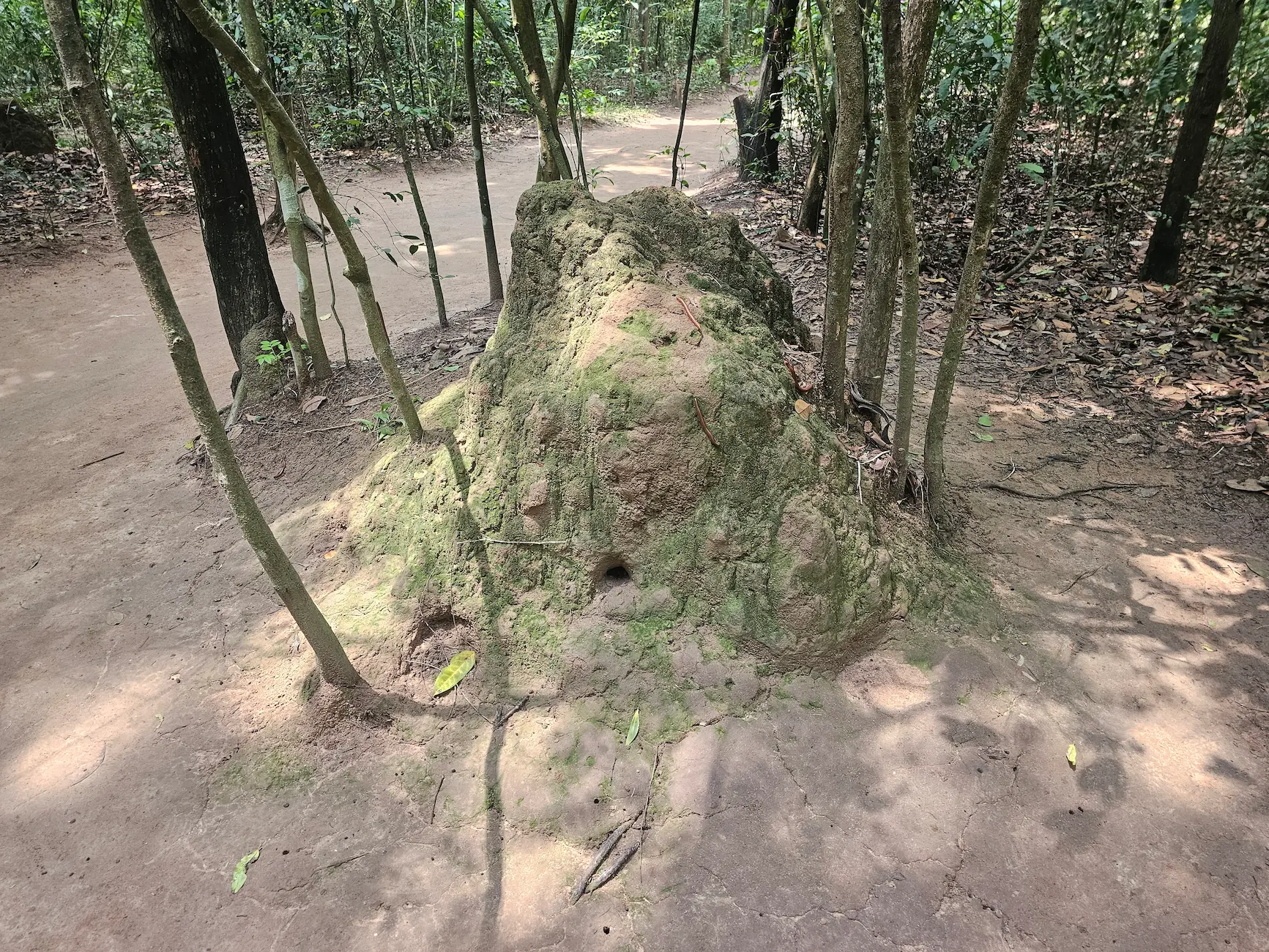
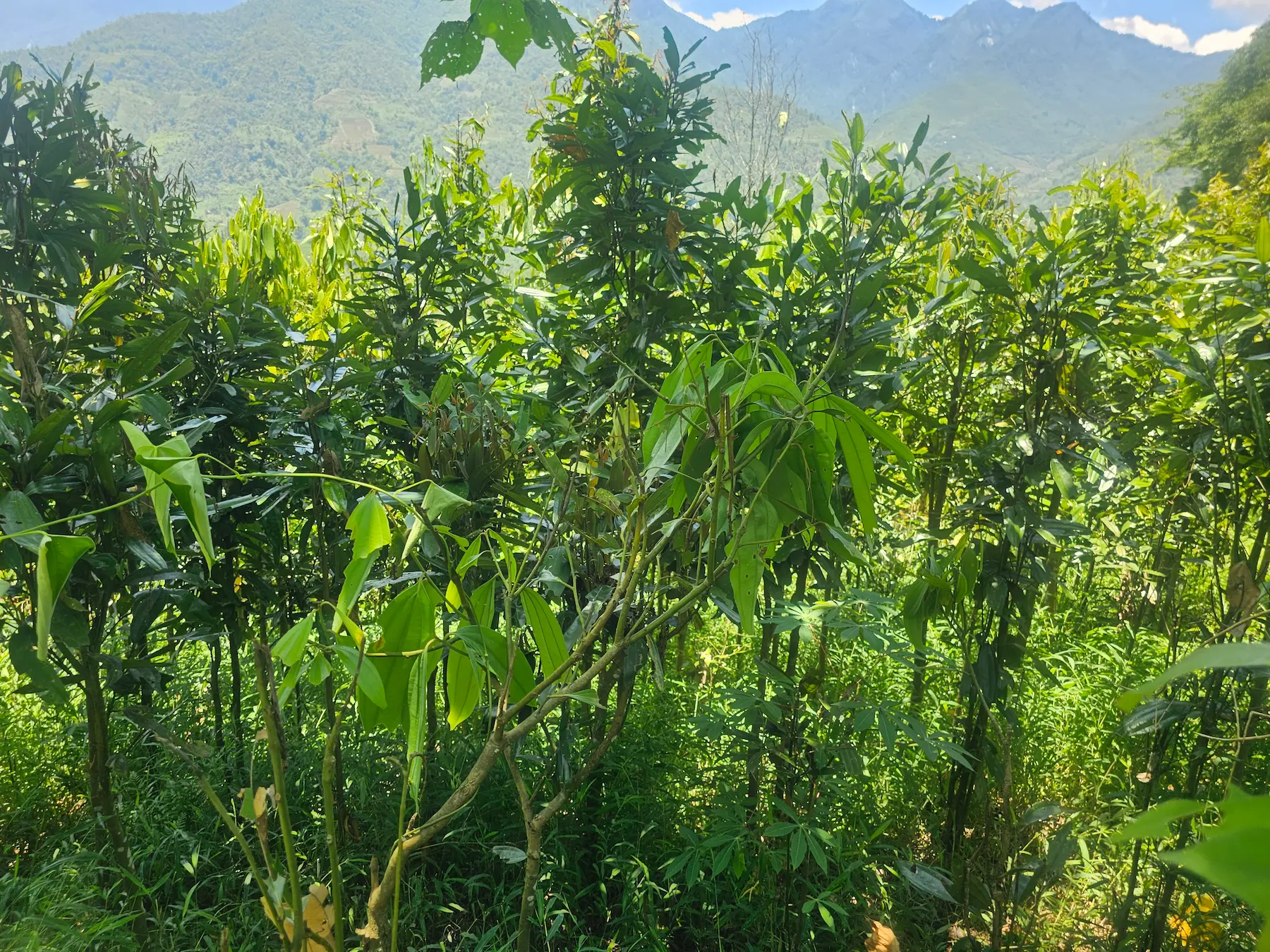
"As we walk through Vietnam, we keep finding beneath our feet
giant caves, species that no one had ever seen
and landscapes that science is still trying to understand."
Vietnam Records
Ecosystems under the microscope: the planet's natural laboratories
The Mekong Delta, mangroves, reefs, cloud forests, seagrass meadows. Vietnam's ecosystems are the subject of ongoing international scientific study.
The Mekong Delta, one of the most productive river systems on the planet
Millions of tons of sediment arrive each year from the Himalayas, creating one of the most fertile agricultural regions in the world and a natural laboratory for studying the formation of large deltas.
The Red River Delta: Thousands of Years of Climate History in Its Sediments
Scientists use their layers to reconstruct ancient climate changes, floods, and sea level variations occurred during the Holocene.
Some of the best-studied mangroves in Southeast Asia
They play a vital role in storm protection, carbon sequestration, and marine species conservation. Vietnam is used as international model for coastal restoration.
The Vietnamese coasts, an archive of the sea's variations over time
The beaches, estuaries, and marine terraces preserve evidence of ancient ocean oscillations that occurred over thousands of years — key data for modeling current climate change.
Seagrass meadows that support entire ecosystems
They constitute essential areas for fish, mollusks, dugongs and numerous species that depend on them during part of their life cycle — ecosystems that are not very visible but are fundamental.
Tam Giang-Cầu Hai, one of the largest coastal lagoons in Southeast Asia
It allows the study of the interaction between freshwater and seawater in highly dynamic environments — a ecosystem transition laboratory that scientists have been analyzing for decades.
Vietnamese reefs, a barometer of oceanic climate change
Researchers are analyzing how corals respond to rising sea temperatures and ocean acidification. Their data contribute to global monitoring of tropical marine ecosystems.
The cloud forests of the mountains, unique microclimates in the region
Constant humidity and low temperatures favor the presence of species that do not survive in the lower-altitude rainforests — worlds within worlds.
Extraordinarily rapid ecological changes with altitude
Within a few kilometers, tropical forests, temperate forests, and high mountain ecosystems can follow one another—an altitudinal gradient that offers unique opportunities for ecological research.
One of the largest expanses of limestone forest in Asia
These ecosystems are home to highly specialized plants and animals that evolved to adapt to extremely poor soils. Many of its species do not grow on any other type of rock.
Vietnam continues to produce new orchid species
The mountains and humid forests continue to provide unknown specimens that expand our knowledge of one of the most diverse plant families on the planet.
Vietnamese wetlands, a crucial stopover for migratory birds
Each year thousands of birds use these spaces as resting and feeding areas during their long journeys between different continents — an ornithological crossroads.
Vietnam, international laboratory for tropical forest restoration
Ecological restoration projects allow us to analyze how species return and ecosystems are rebuilt after degradation. Their results are a benchmark for other countries of the region.
Vietnam, an important center of bamboo diversity
Numerous species grow naturally in its forests, playing a vital role in both ecosystems and the lives of local communities. A plant that is also an ecosystem in itself.
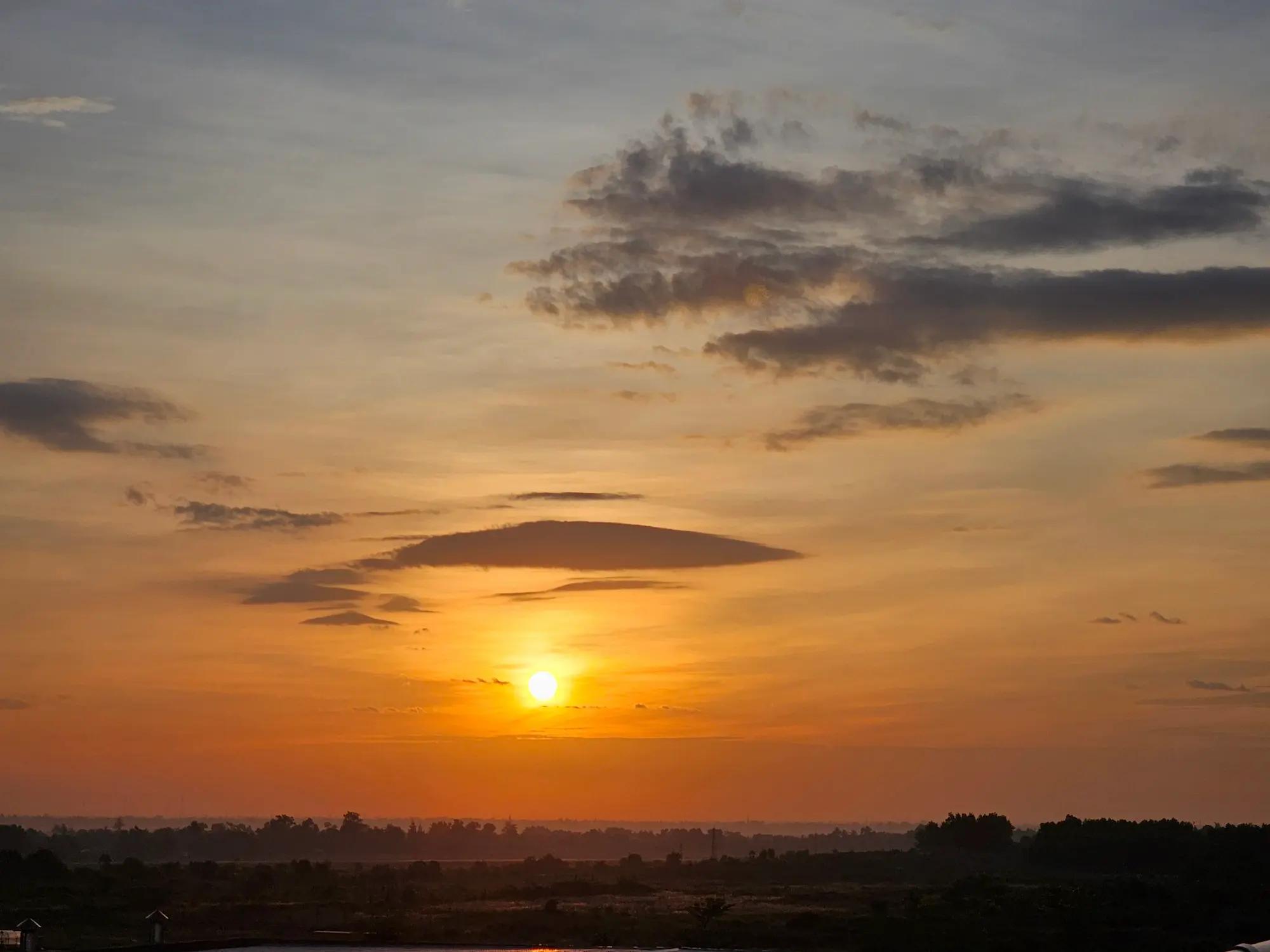
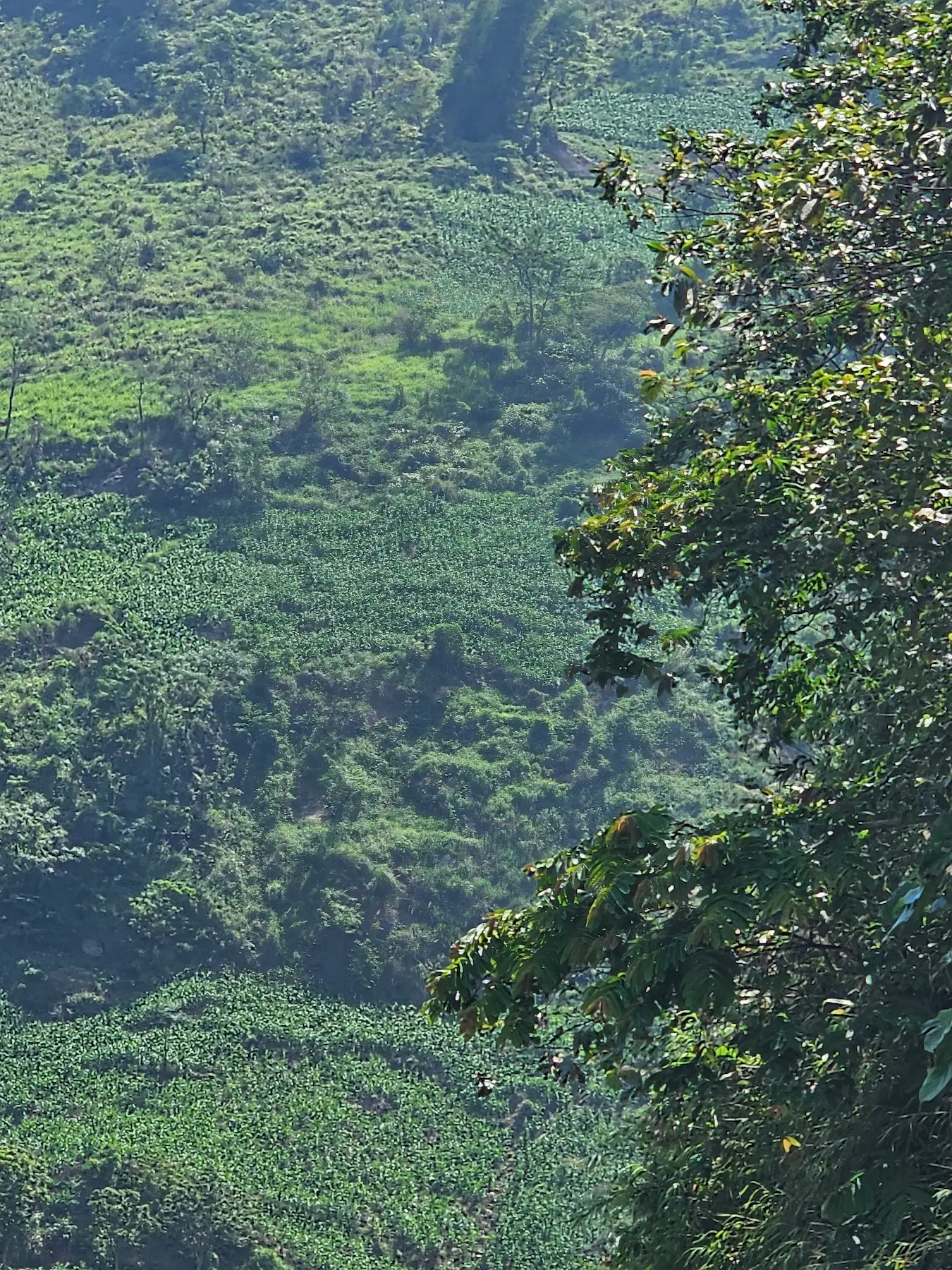
Vietnam Records
The exploration that is not over: Vietnam in the 21st Century
Drones, environmental DNA, genetic sequencing. Modern science has arrived in Vietnam with new tools, and what it's finding is even more surprising.
Vietnam remains one of the countries with the greatest potential for discovering new species
Every year new plants, fungi, insects, fish, reptiles, and amphibians are described. Much of its biodiversity still remains little studied.
Vietnam, a world reference for the study of tropical evolution
The combination of mountains, valleys, islands, and isolated forests allows researchers to investigate how populations evolve independently over time.
Their ecosystems help us understand the effects of climate change
Monitoring forests, mangroves, reefs, and wetlands provides valuable information about the response of tropical ecosystems to climate variations.
Cave exploration in Vietnam is still far from complete.
Speleologists believe that there are still numerous underground galleries and systems yet to be mapped — and that some may be among the largest in the world.
Drones and satellites to explore areas no one has set foot in
These tools facilitate the discovery of new habitats and allow for the monitoring of hard-to-reach forests. without altering the natural environment.
Environmental DNA, the new tool to detect the invisible
Analyzing small samples of water or soil allows the detection of species that are difficult to observe directly., even when they remain hidden — a revolution for Vietnam's biodiversity.
Forests with plants of medicinal potential yet to be studied
Researchers are analyzing compounds present in numerous plants to learn about their potential pharmacological applications. A natural pharmacy that science is still cataloging.
Genetic banks of wild plants for the future
The conservation of natural varieties is fundamental for future research on agriculture, climate adaptation and global food security.
International scientific cooperation in Vietnam continues to grow
Teams of researchers from around the world collaborate on projects related to geology, archaeology, biodiversity, genetics, and climate change. Vietnam at the center of the global scientific map.
Vietnam's natural wealth, a priority for global conservation
Protecting their ecosystems means preserving an important part of biological heritage of the planet and guarantee future scientific research that we cannot yet imagine.
Mountain ranges, barriers that continue to create new species today
Many populations were and continue to be separated by mountains and valleys for thousands of generations, developing its own features in real time.
Vietnam, a benchmark for conservation biology
The coexistence of enormous biological wealth and strong environmental pressures makes the country a a global benchmark for studying how to protect what we have left.
Vietnam proves that the scientific exploration of the planet is not yet over
Its recent discoveries, natural records, and the continuous emergence of new species remind us that there are still places capable of expanding our knowledge of Earth. Perhaps that's the most beautiful thing about traveling here: discover a place that still holds secrets.
Inner Atlas · SunZen Travel
More about Vietnam
If this has changed your perspective on Vietnam, in our other articles you'll find the complete travel guide, the 105 unique species, and the 107 geological wonders of the country.
We travel together
Write to us
When you write, a person answers. No robots, no forms.
Keep exploring
The Inner Atlas
Vietnam is more than just a destination. It's one of the few places on Earth where animals never before seen are still being discovered, where caves hold climatic secrets thousands of years old, and where science continues to uncover new questions. In these 65 records and discoveries, I've tried to explain why, when someone asks me which country has changed their perspective on the world, I always say the same name.