Anatomy offirst day
What exactly happens when no one knows each other — and why science says it gets resolved much faster than you think.
There is a question that almost everyone asks themselves before booking a group trip, but that very few say out loud.
And if I don't fit in?

You feel like everyone
tea are watching you
You arrive. You see the people you'll be spending the next few days with. Everyone's smiling a little too much. Nobody really knows where to stand.
Gilovich, Medvec, and Savitsky asked a student to enter a room full of people wearing a T-shirt he considered embarrassing. He estimated that almost half the people would have noticed.
It was set at less than a quarter.
That's the exact pattern from day one: everyone else is too busy feeling the same way about themselves to pay much attention to you.
Why the first day
it's always a little strange
In 1965, psychologist Bruce Tuckman described the four phases that every new group goes through. In the same order. Without exception.
Training
Polite courtesy. A little awkwardness. Everyone is choosing their words carefully.
Conflict
The differences begin to be noticeable: different rhythms, different tastes, some minor friction.
Standardization
The group finds its equilibrium. Roles are assigned without anyone announcing them.
Operation
The group is already functioning as a team. With real trust.
The word that matters is inevitable. It's not bad luck with people: it's the price of admission for any new band.
Why strangers
become friends so fast
Arthur Aron sat two strangers face to face with 36 increasingly intense questions, answered in turns, for 45 minutes.
One of those couples ended up getting married.
The interesting thing isn't the anecdote: it's the mechanism. Closeness doesn't depend on how long you've known someone—it depends on sharing something with a certain vulnerability, taking turns.
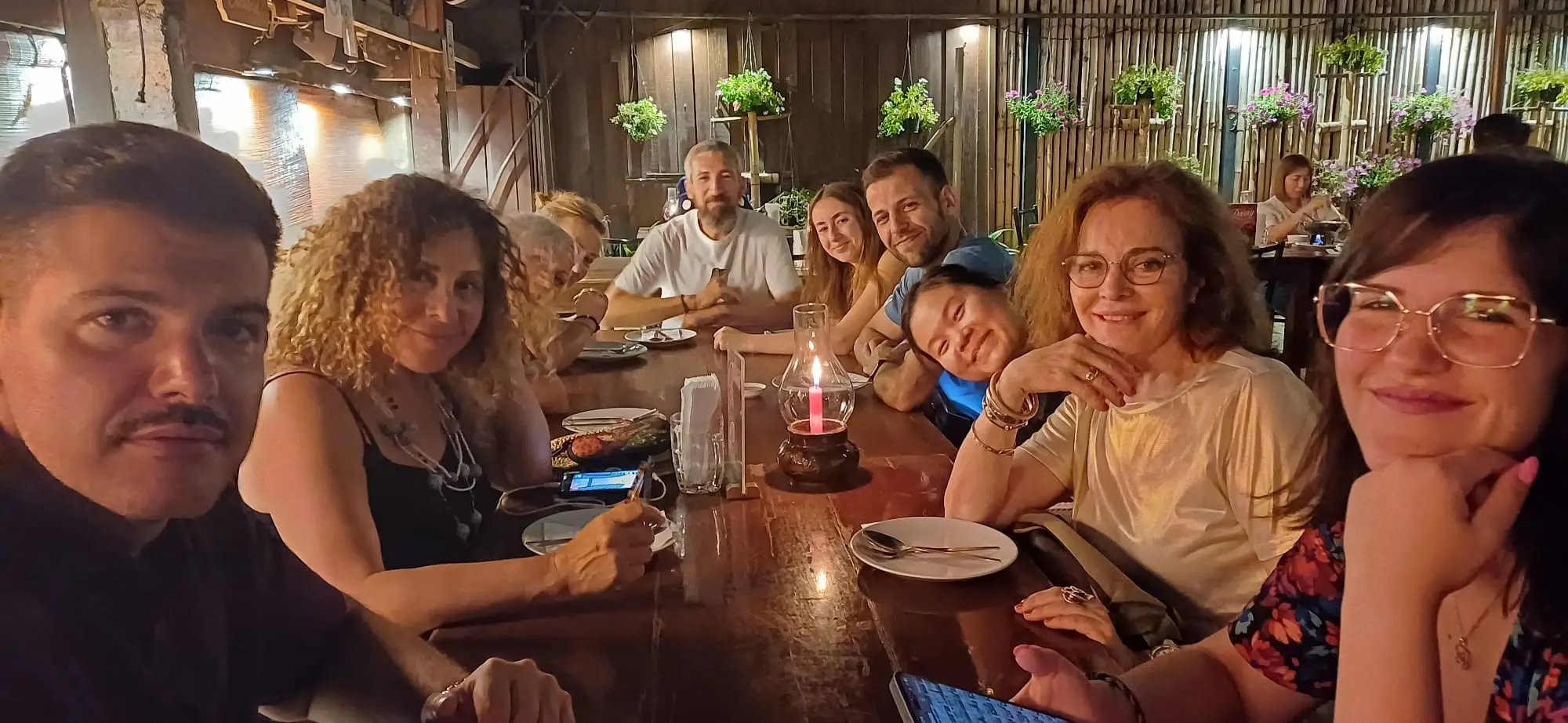
Getting lost together looking for the hotel. Laughing at a language mistake. Being tired and admitting it to people you just met. A trip does all that on its own, without a questionnaire.
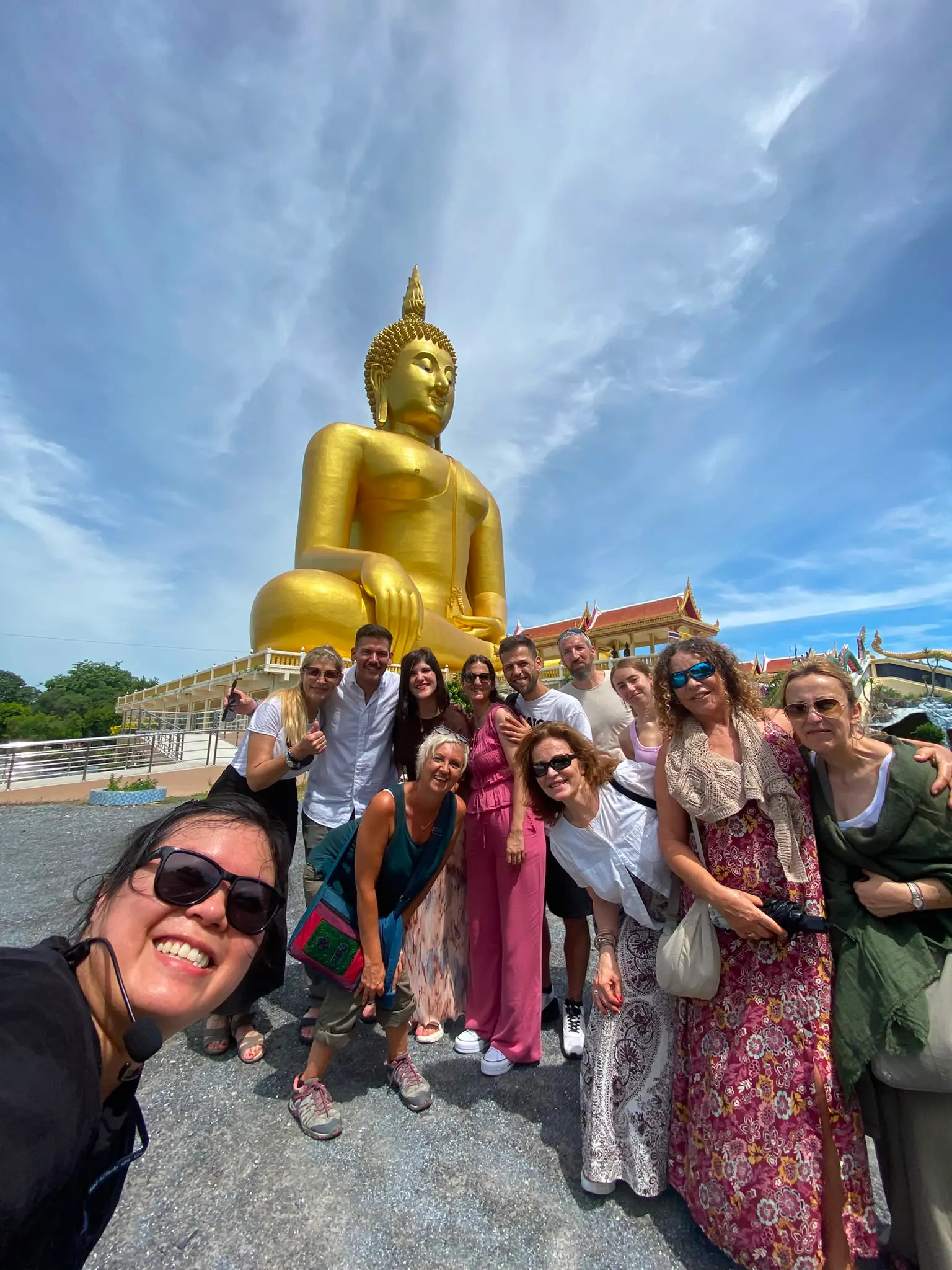
I returned not only with a backpack full of memories, but also with a WhatsApp group that's still very active today. Sharing that intensity breaks down barriers at a speed that doesn't happen in everyday life.Elena
What you can really do
wait, hour by hour
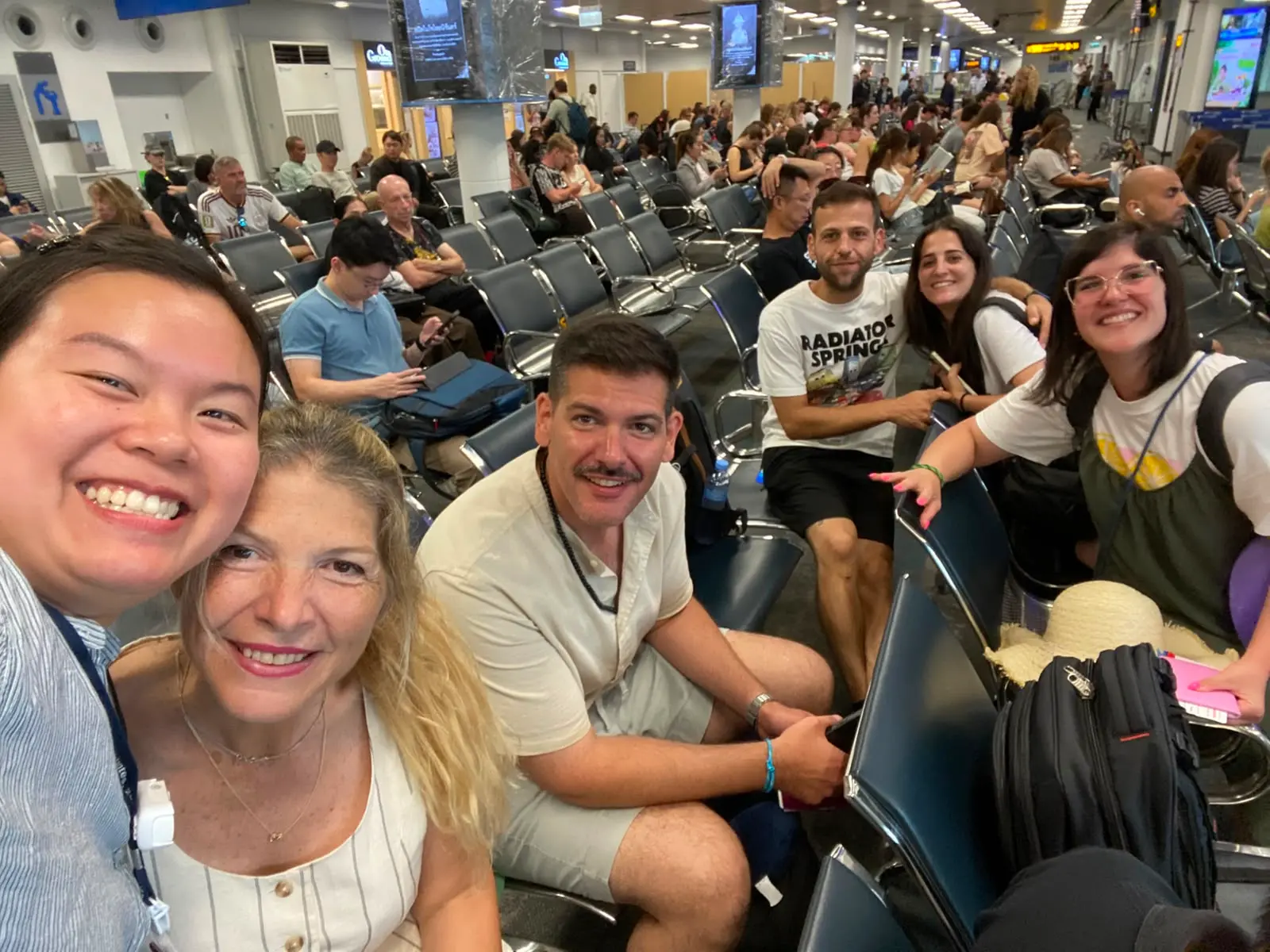
Airport
Polite silence, polite smiles. It's awkward. It's normal. Nobody's judging anyone.
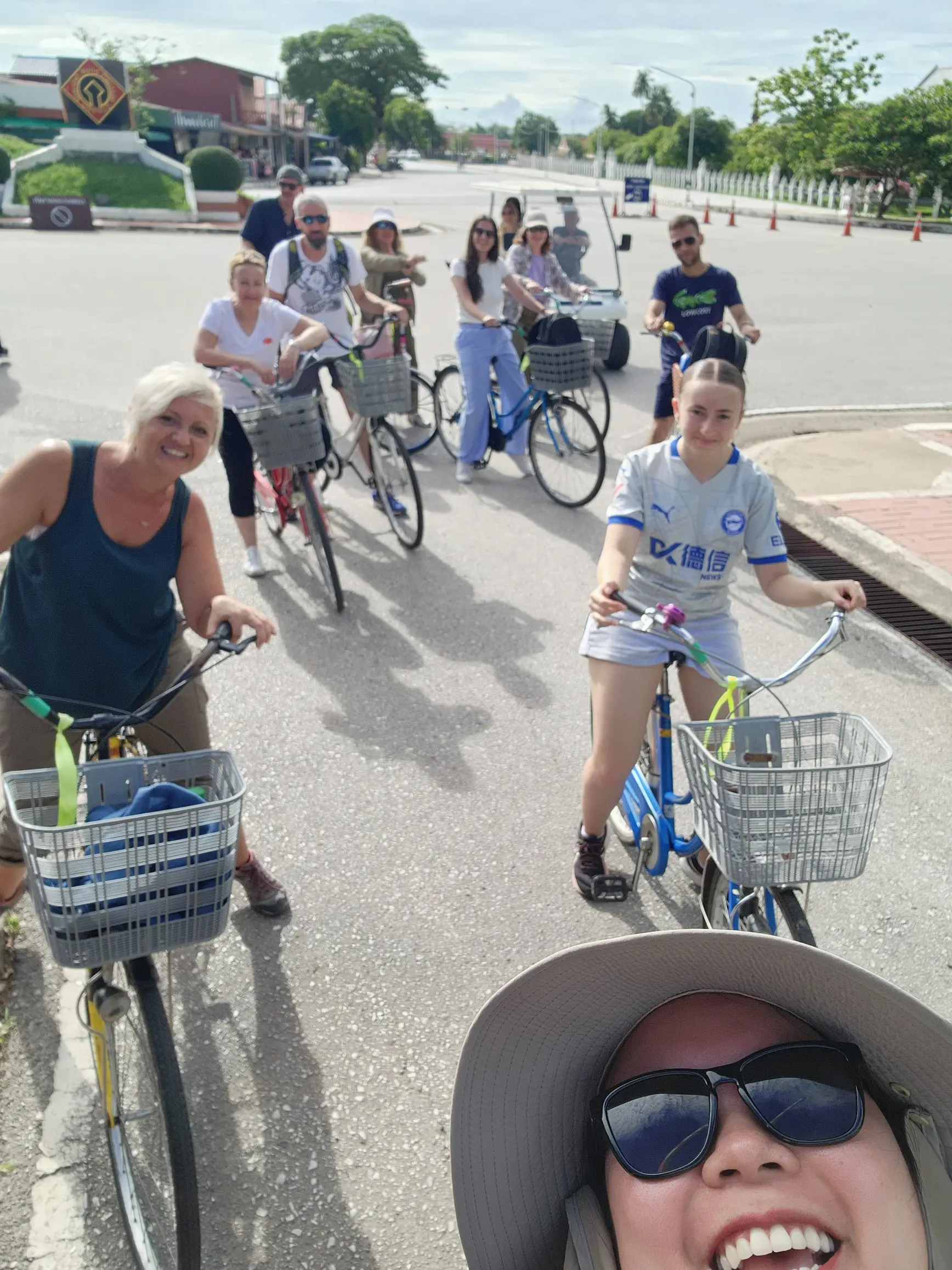
First gestures
Someone shares sunscreen. Someone helps carry a suitcase.
"It feels like we've been here for more than a day"
It's not just a figure of speech. In a few hours you've flown, walked, asked questions, improvised. As many shared experiences as in a normal week.
The first unexpected event
A delay, a change of plans. Solving something together creates a bond faster than any dinner.
The group is already functioning
There are no more introductions. There are inside jokes, assigned seats on the bus, nicknames.
Swipe →

"What if I'm of the oldest of the group?"
It is one of the most common variations of the fear of not fitting in, and one of the fastest to resolve.

"What if I'm introvert?"
Being an introvert doesn't mean you enjoy a group trip less. It means you connect with others in a different way.
In a small group, there's no obligation to talk constantly. There are times for conversation and times to contemplate the scenery in silence.
Everyone finds their own pace. That's part of the journey.
Fitting in sounds like effort, like molding yourself to fit into a space that wasn't yours. Integration is what happens only when a small group shares enough time and enough firsts.
Fear isn't solved by thinking about it. It's solved by living the first day.
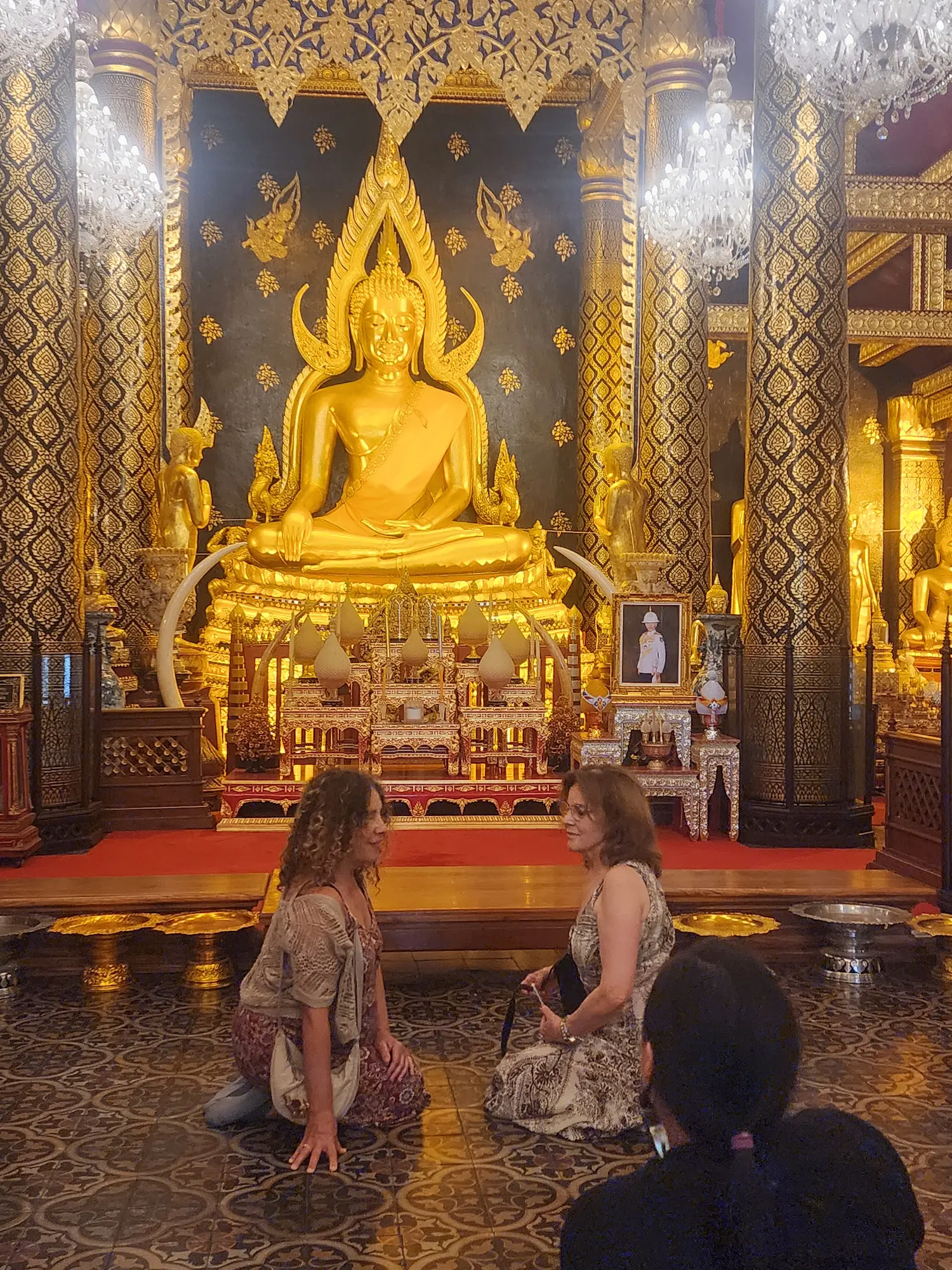
Joining a small group on my own was the best decision. I had my own space when I needed it, but I shared laughs and dinners with people who became friends for life.Marta
Maximum thirteen.
One of us, always.
Small enough so no one gets lost in the crowd. Big enough so there's always someone to connect with.
The guide, free
Everything you need to know before making a decision.