
In this article
- Why that destination and not another?
- Before you transform your mind, a journey chooses you.
- Hesitating between two trips is hesitating between two versions of yourself
- Possible versions of you
- Happiness rises and then falls back to its place
- What we're not going to promise you
- What actually remains after transforming your mind
- Toni's personal note
Why that destination and not another?
Two trips offer the same thing on paper. Something inside you says "yes, there" to one and "no" to the other.
At the first article in this series we saw what happens to the brain during a trip: attention is restored, awe breaks the autopilot, new experiences leave psychological richness.
But that happens after choosing. If a trip can transform your mind, the first decision happens before you leave — and it has less to do with the destination than with who you think you are.
 Hanoi · Vietnam
 Ho Chi Minh City · Vietnam
Before you transform your mind, a trip chooses you.
Self-congruence theory says that we do not choose based on objective attributes, but rather on how much that place resembles the image we have of ourselves.
Sirgy and Su expanded on this in 2000: in every decision, three distinct versions of the self come into play. And it is these three versions that a journey can transform, bringing you closer to or further from them.
 01
01The real self
Who I am today, with my habits and my known limitations.
 02
02The ideal self
Who I would like to become, even though I am not yet.
 03
03The social self
How I want others to see me when I tell the story of the trip.
 Vietnam
When you're hesitating between two trips that seem the same, you're hesitating between two versions of yourself.
The effect is even stronger when you've never been there: when choosing a destination for the first time, identity weighs more heavily than previous experience. That's why asking yourself if a trip can transform your mind starts long before you pack your suitcase.
The possible versions of you
We don't carry within us just one image of ourselves, but several possible versions: the one we fear being, the one we hope to be, the one we once were and no longer entirely are.
They're not fantasy: they guide real decisions. And a trip is one of the few places where you can try one of them out for two weeks without the constraints of work or your usual routines.
The person who negotiates in a market. The one who gets up early to see something they've never seen before. The one who climbs to the top just to see what it feels like.
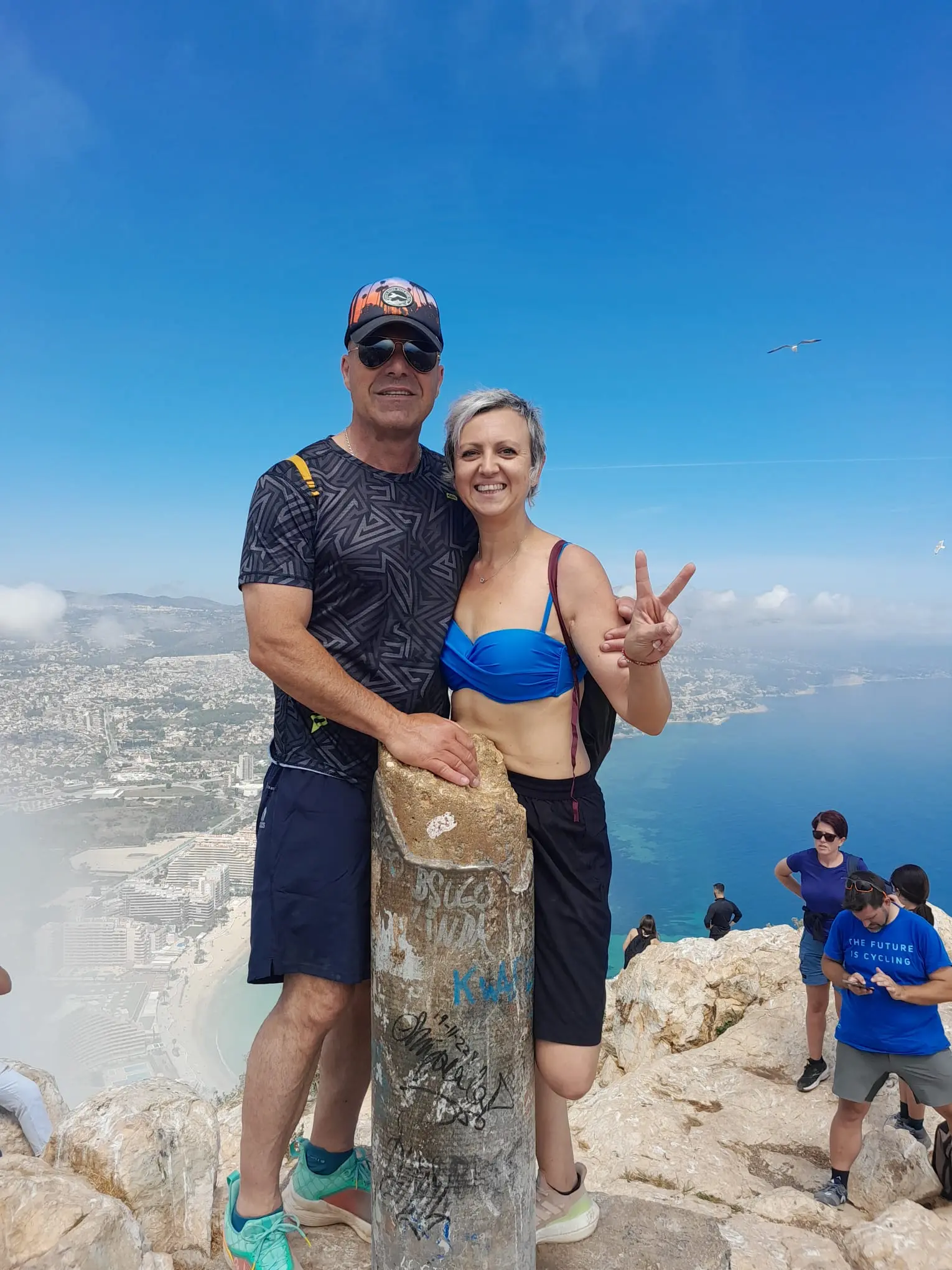 Summit of the Peñón · Calpe
Happiness rises. And then returns to its place.
The peak is above all before before leaving — in the anticipation. On returning, within a few weeks, it levels with that of those who stayed home. Almost unrelated to how long the trip was.
Su and Chen (2025) found something similar: a new environment does increase mental flexibility, but not the originality of ideas. Transforming your mind, in practice, is less epic and more nuanced than is usually portrayed.
A trip does not rewrite you. It lets you practice a version of you that barely has any room.
Transforming your mind doesn't mean coming back as a different person: you come back with a little more practice in areas of yourself that were already there. Anyone who promises you more is oversimplifying something that research doesn't support.
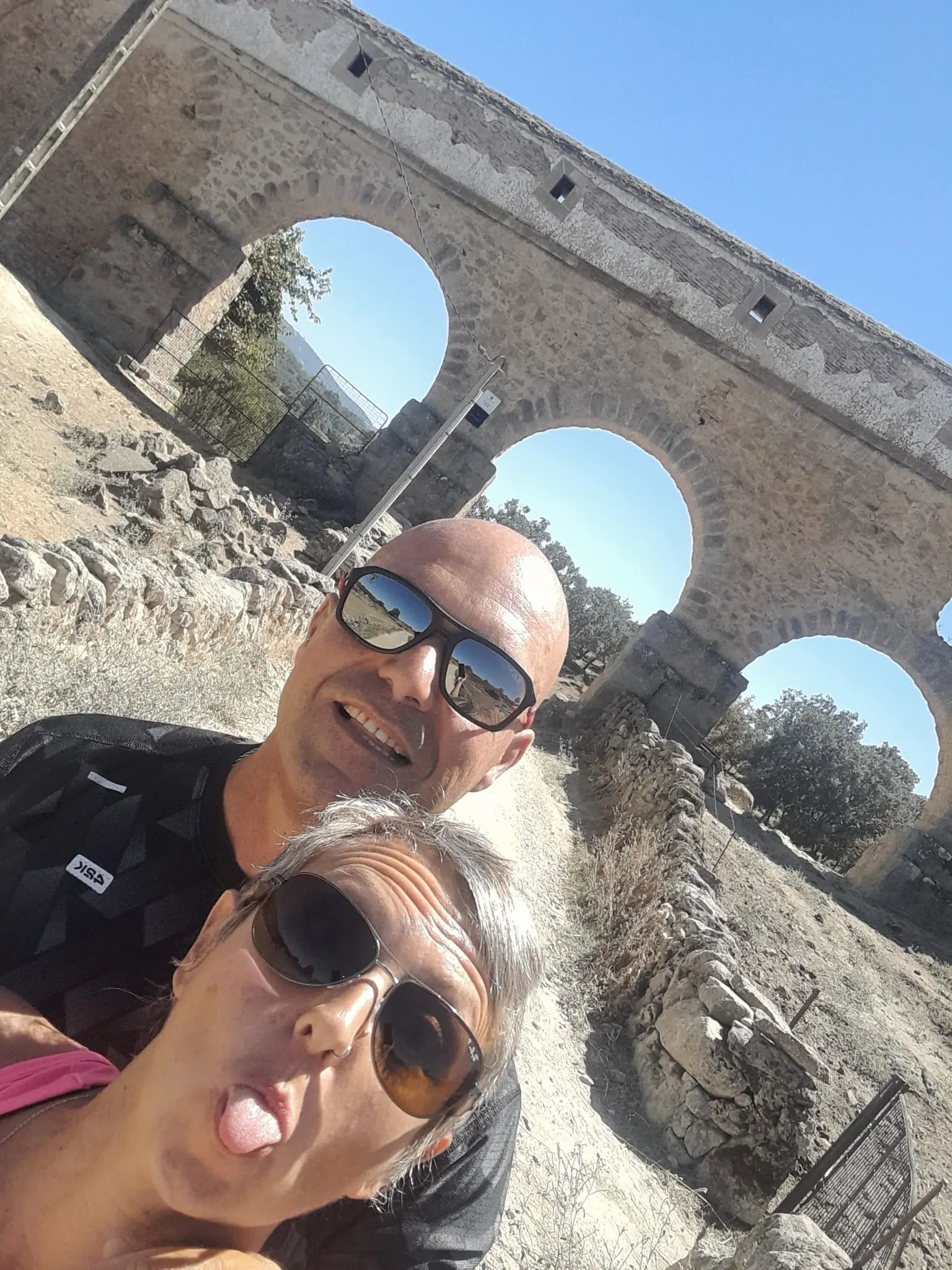 On the road
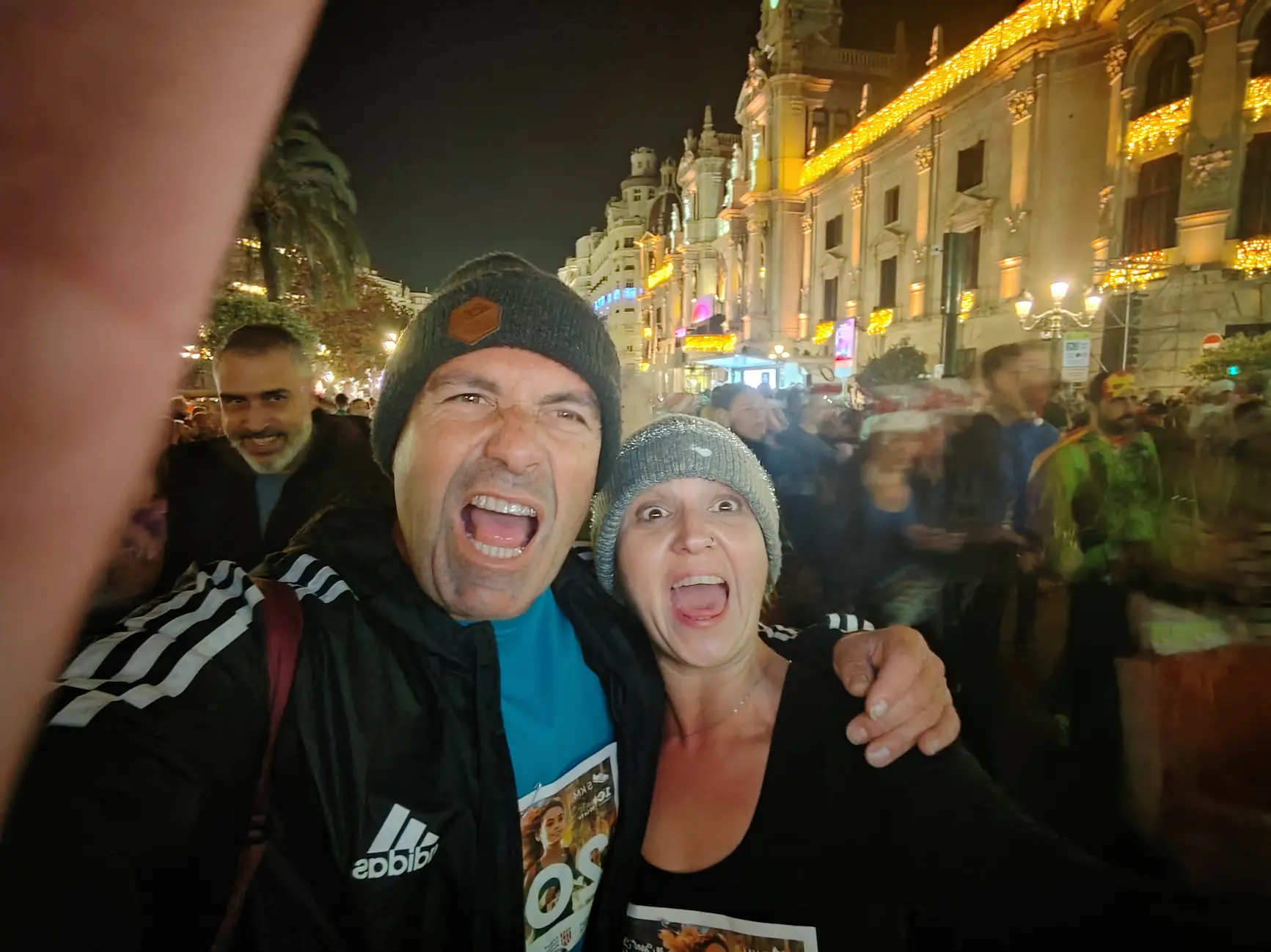 Coming back and deciding
What actually remains from transforming your mind
Chaim Noy studied backpackers who were convinced they had changed. The change felt real—and much of it was built by telling others and oneself about it.
In 2025, Bai's team measured it in Tibet: Reflection is the mechanism that shifts a trip from the realm of rest to that of change. Without it, it stays at rest.
A review of 310 studies arrives at the same conclusion: meaning, emotion, and reflection are the three factors that appear time and time again when a journey comes to transform your mind.
Change the question.
Less "what am I going to see?". More: what version of me finds room there?
A temple at dawn, a boat trip, a route that requires getting up early. Each plan summons a different person within you.
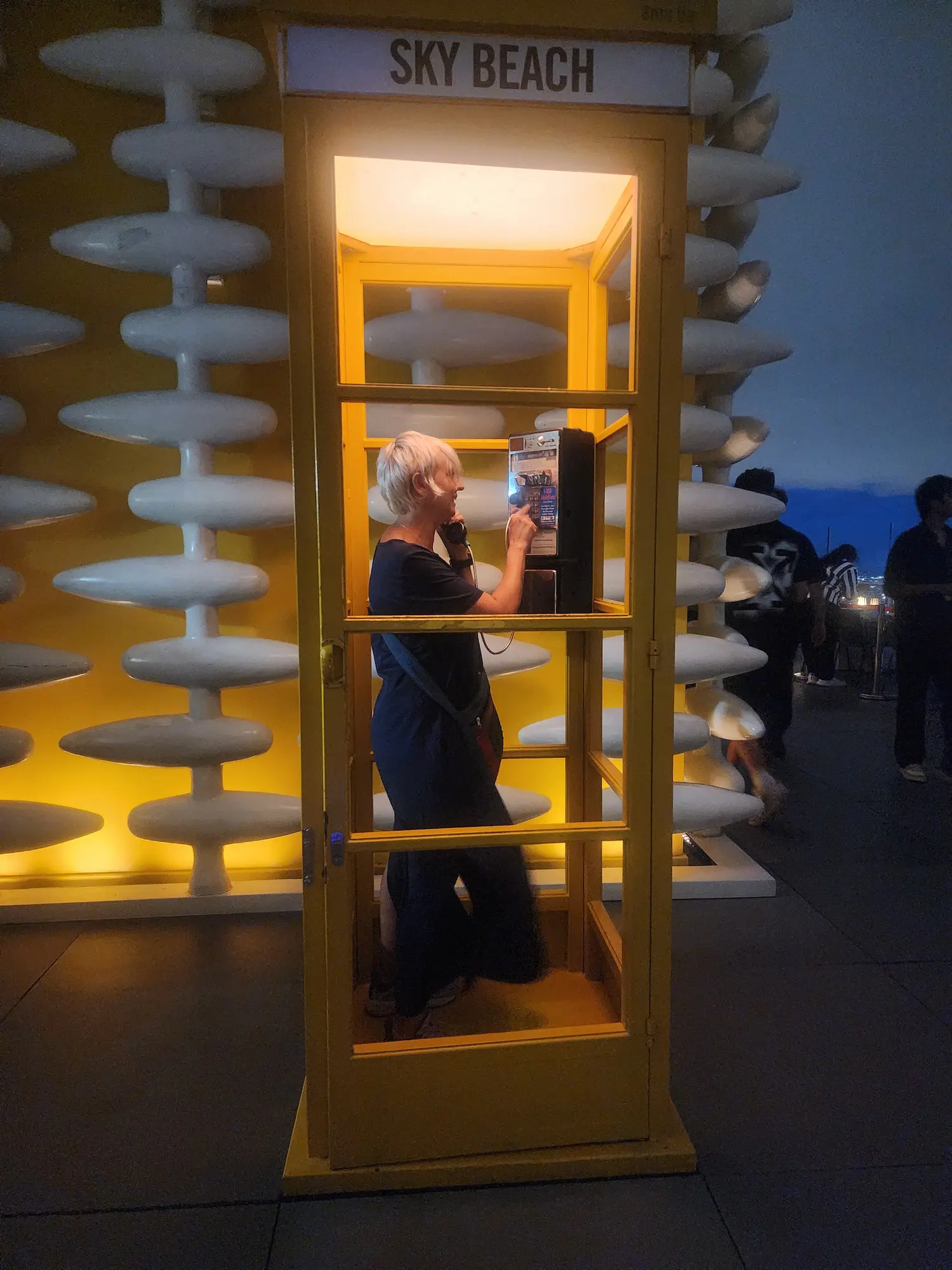 Bangkok · Thailand


23 things that no one tells you before booking
- The myth of the last-minute bargain — and the months when flights actually go down.
- The hidden fees that eat up €90-120 of a two-week trip.
- The insurance that is worthwhile and the one that only gives false protection.
- The first 48 hours back — what separates returning renewed from returning broken.
It arrives in your email in a minute. No spam, unsubscribe in one click.

 That's as far as the science goes
Now it's my turn
I believe that it can.
And if you've been lucky enough to have a great trip, you probably know that too.
Not because you'll come back as a different person.
You come back as yourself. But something has changed. Something inside. And often it starts before you even realize it.


You stop working on autopilot.
You change countries, cultures, languages, time zones, food. The sounds. The way you move. Even the way you order coffee. It seems silly, but it's not: your mind is working all the time.
At home, there are days when you do everything without thinking. And that's fine—until you go far away, see the difference, and then you wake up.
We are much more adaptable than we think.
If the language changes you, that seems fascinating to me: you feel a bit like a child, you have to listen, and the learning becomes superlative.


And your mind is left wanting more.
Curiosity. The desire to discover. The feeling of not knowing what will happen tomorrow. And that's what's addictive. You don't need another trip to be happy—but it's normal that when you get back you'll start looking at a map again.
We don't travel just to see places. We travel to get to know ourselves in places we don't know.
You go back home. But you don't see things the same way anymore.
When no one knows who you are, when you're not following your usual routines, sometimes you discover a more vibrant version of yourself. And that changes your perspective.
And for me, perhaps that is the true gift of a great trip.
2026Which version of you do you want to show up this year?
Vietnam · Bali · Thailand · Sri Lanka. Groups of 6 to 13 people, local guide in Spanish and one of us with you from the first airport.
Studies cited
- Chon, K. S. (1992). Self-image/destination image congruity. Annals of Tourism Research.
- Sirgy, M.J., & Su, C. (2000). Destination Image, Self-Congruity, and Travel Behavior. Journal of Travel Research, 38(4), 340–352.
- Beerli, A., Meneses, G. D., & Gil, S. M. (2007). Self-congruity and destination choice. Annals of Tourism Research, 34(3), 571–587.
- Markus, H., & Nurius, P. (1986). Possible Selves. American Psychologist, 41(9), 954–969.
- Noy, C. (2004). This Trip Really Changed Me. Annals of Tourism Research, 31(1), 78–102.
- Bai, M., Huang, S., Li, Z., Si, Z., & Cui, R. (2025). From restoration to transformation in tourism experience. Annals of Tourism Research, 115, 104032.
- Zhang, X., Scott, N., & Campos, A.C. (2025). Approaches to personal transformation in tourism research. Current Issues in Tourism.
- Nawijn, J., Marchand, M.A., Veenhoven, R., & Vingerhoets, A.J. (2010). Vacationers Happier, but Most not Happier After a Holiday. Applied Research in Quality of Life, 5(1), 35–47.
- Su, L., & Chen, H. (2025). Igniting creativity through travel. Tourism Management.