There are things a language names because it needs them. Thai has more than a hundred words built on a single root —jai, heart— because for a Thai person the heart is not just an organ, it is where a person's character lives.
The Balinese have a name for each of the harmonies that sustain life. The Vietnamese distinguish between the love that captivates and the love that stays to care. And the Sinhalese, in Sri Lanka, don't even have a word for goodbye.
They are untranslatable wordsThis is proof of what each culture looks for when deciding what deserves a proper name. If you're going to travel to any of these four countries, understanding them beforehand will change what you see.
The words of the heart
Everything starts with jai (ใจ) —heart-mind. The order of the syllables changes the meaning: an entire grammar for naming moods.
Tourists learn that "nothing to worry about" and stay put. But it has Buddhist roots —the idea of anicca, Impermanence: if everything is fleeting, clinging to a minor setback is pointless. It's not indifference. It's consciously deciding what deserves your energy and what doesn't.
The one that is given without expecting anything in return—the one that flows like water, without anyone asking for it.
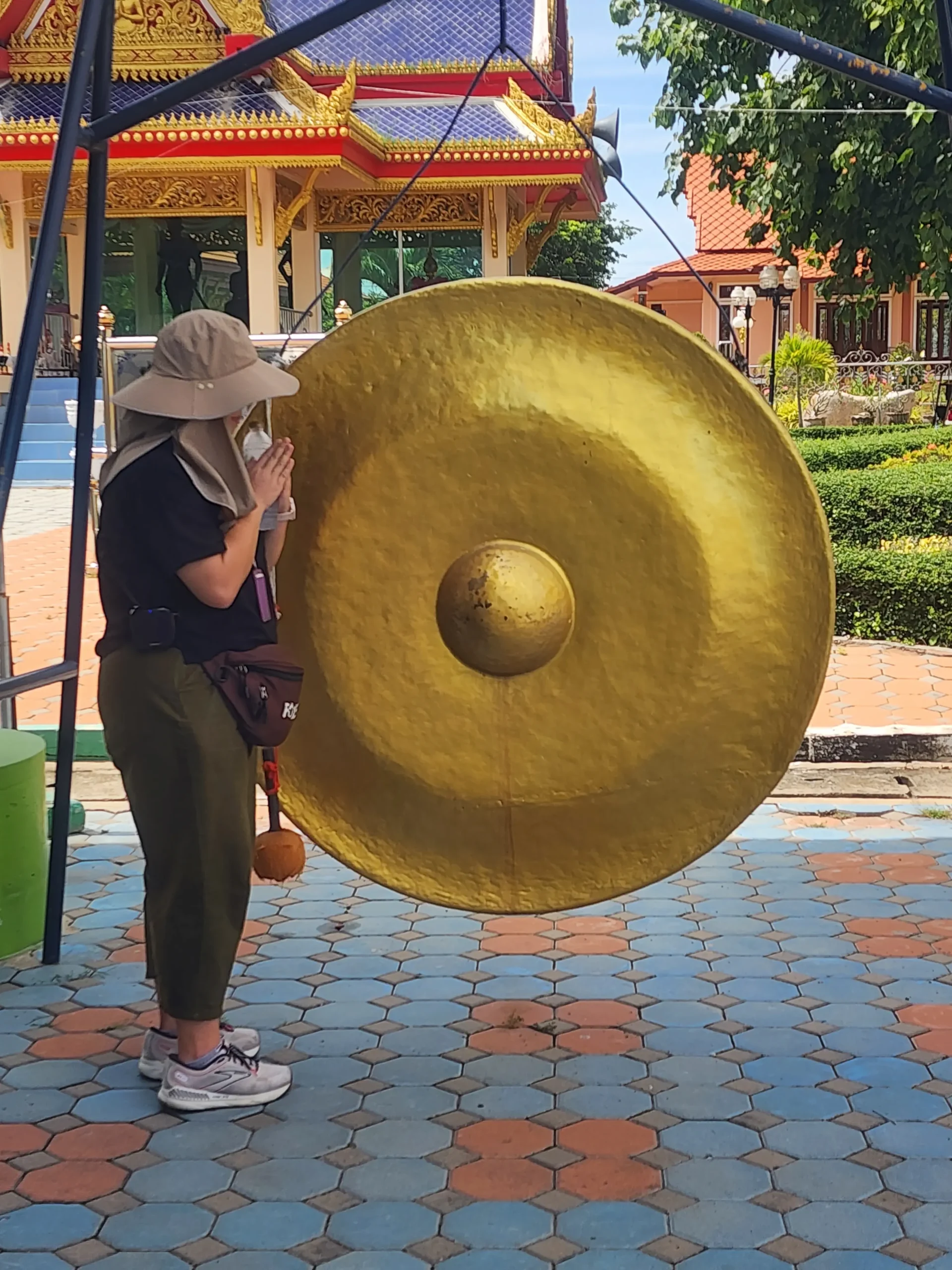
Don't impose your will. Don't ask for a favor in case it makes someone uncomfortable, don't say no directly, let the other person serve themselves first. This sums up much of Thai courtesy—along with sanuk (the enjoyment in any task) and sabai (wellbeing without tension), the other two words you'll hear most often.
The words of harmony
If Thailand organizes its language around the heart, Bali organizes it around balance.
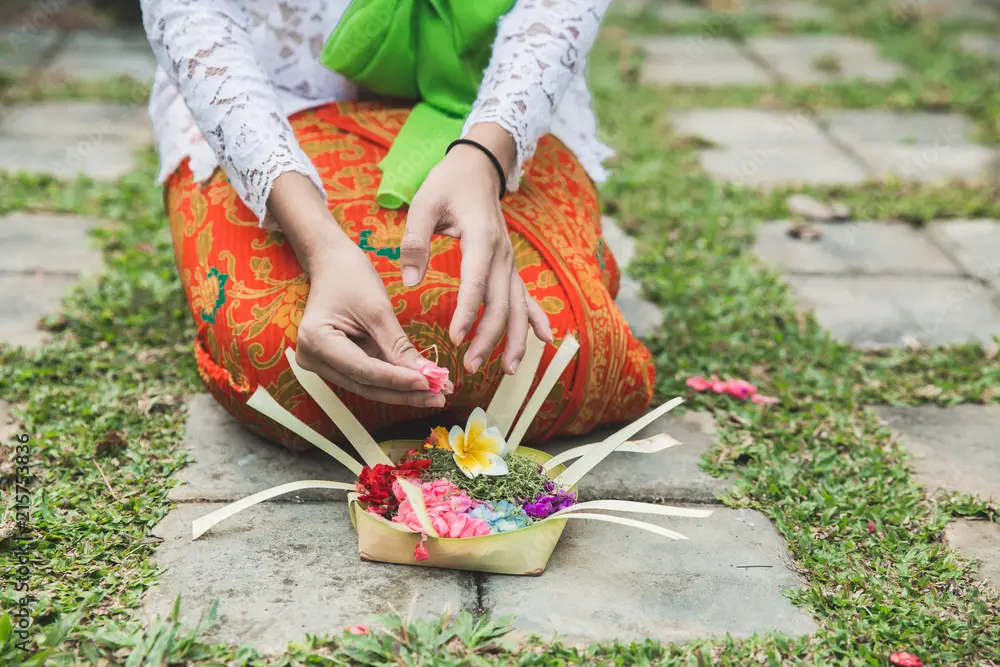
A peaceful life is only possible with harmony in three directions at once: Parahyangan (with the divine), Pawongan (between people) and Palemahan (with nature). It is physically visible on the island—in the irrigation system subak, managed in community for centuries, and in the offerings that appear every morning on the sidewalks.
Working voluntarily for the temple or community without expecting anything in return. It's not volunteering as we understand it in the West: it's a moral responsibility that generates social prestige—the very root from which it springs. gotong royong, mutual aid: no one harvests their own crop alone.
It's used to talk about feeling, intuition, and mood almost simultaneously. A Balinese musician might say that a piece has a lot of flat —He doesn't talk about technique, he talks about what that piece conveys.
The words of the bond
When it comes to love and encounters, the Vietnamese make distinctions that the Spanish do not.
It's that connection that makes two people cross paths at just the right moment, without either of them doing anything to cause it—a Buddhist concept, originating from before this life. Its counterpart is hết duyên, “The thread has run out”: that’s how the Vietnamese describe the end of a relationship without blaming anyone. There’s a saying that sums it up: có duyên mà không có nợ —there can be a connection without a link to sustain it.
A caring affection, one that includes the difficult parts of the other person, that endures when the passion is no longer there. “Anh thương em nhưng anh không còn yêu em nữa” —I still care about you, but I'm not in love with you anymore.
The duty to respect and care for one's parents throughout life. It is not just obedience—it is gratitude transformed into responsibility.

The word that does not exist
The shortest of the four languages in terms of documented vocabulary—and the one with the best ending.
It literally means “may you live many years” —from Pali āyu, Life. It is said with the hands joined at chest level. It is not a greeting: it is a blessing disguised as a greeting.
Donating food, helping someone, taking care of a temple—all of these generate pin, and is understood as something that improves this life and the next.

I'm leaving and coming back
Every departure, in Sinhalese, carries with it the promise of a return.
They cannot be translated without losing part of their essence. They are not just vocabulary: They are a way of understanding the world.
Each one holds a story, an emotion, and a way of life that only makes sense within the culture that gave birth to it.
About the untranslatable words
Why do untranslatable words exist?
Because they don't just describe an object or an action, but a concept born from the way of life of a specific culture—a philosophy, a social custom, or a religious belief. Translating them literally preserves the most superficial meaning, but loses the cultural layer that makes them unique.
What does “mai pen rai” mean in Thai?
Literally, “it’s nothing.” It’s often translated as “nothing’s wrong,” but it has Buddhist roots—connected to the idea of anicca, impermanence— and describes the conscious decision not to let a small setback ruin the day.
What is the Tri Hita Karana in Bali?
Balinese philosophy holds that a peaceful life is only possible with harmony in three directions at once: with the divine (Parahyangan), among people (Pawongan) and with nature (Palemahan).
What does “duyên” mean in Vietnamese?
It's not destiny or luck: it's the connection that brings two people together at the right moment, without either of them doing anything to cause it. It has Buddhist roots, linked to past life experiences.
Why is there no word "goodbye" in Sinhalese?
Because the language doesn't contemplate a final goodbye. When leaving, one says “gihin ennang” —literally, “I’m leaving and coming back”—, so every departure carries with it the promise of a return.
Set a date.
We'll take care of the rest.
A maximum of thirteen people, one trip per year per destination, and one of us will be with you the entire trip.
The guide, free
Everything you need to know before setting a date.