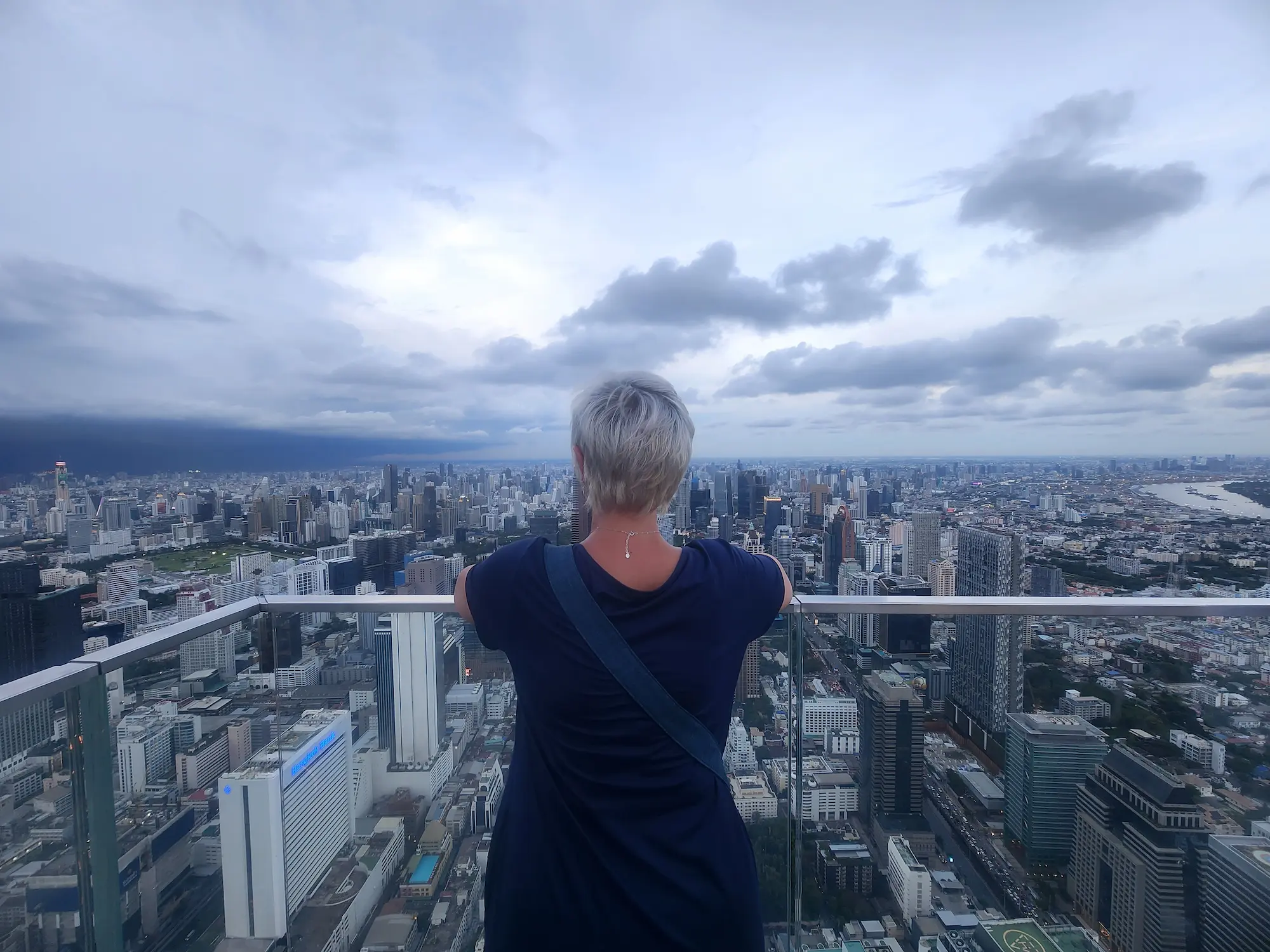
Traveling Alonethrough Asia
The question isn't whether it's safe. The question is something else—and it's not spoken aloud.
The Question That Isn't Asked out loud
When a woman says she wants to travel alone through Asia, people always ask the same thing: if it's safe.
That's not the question.
The real one is the one nobody says out loud. The one that pops into your head at three in the morning, as you look at flights you haven't booked yet.
What if I can't do it?
It's not fear that something will happen. It's fear of discovering that you're not who you thought you were. Of getting there and realizing that it's overwhelming, that you don't know what to do, that you want to go back.
That fear isn't mentioned in any guidebook. And it's the only thing that really holds you back. I know because I've had it.
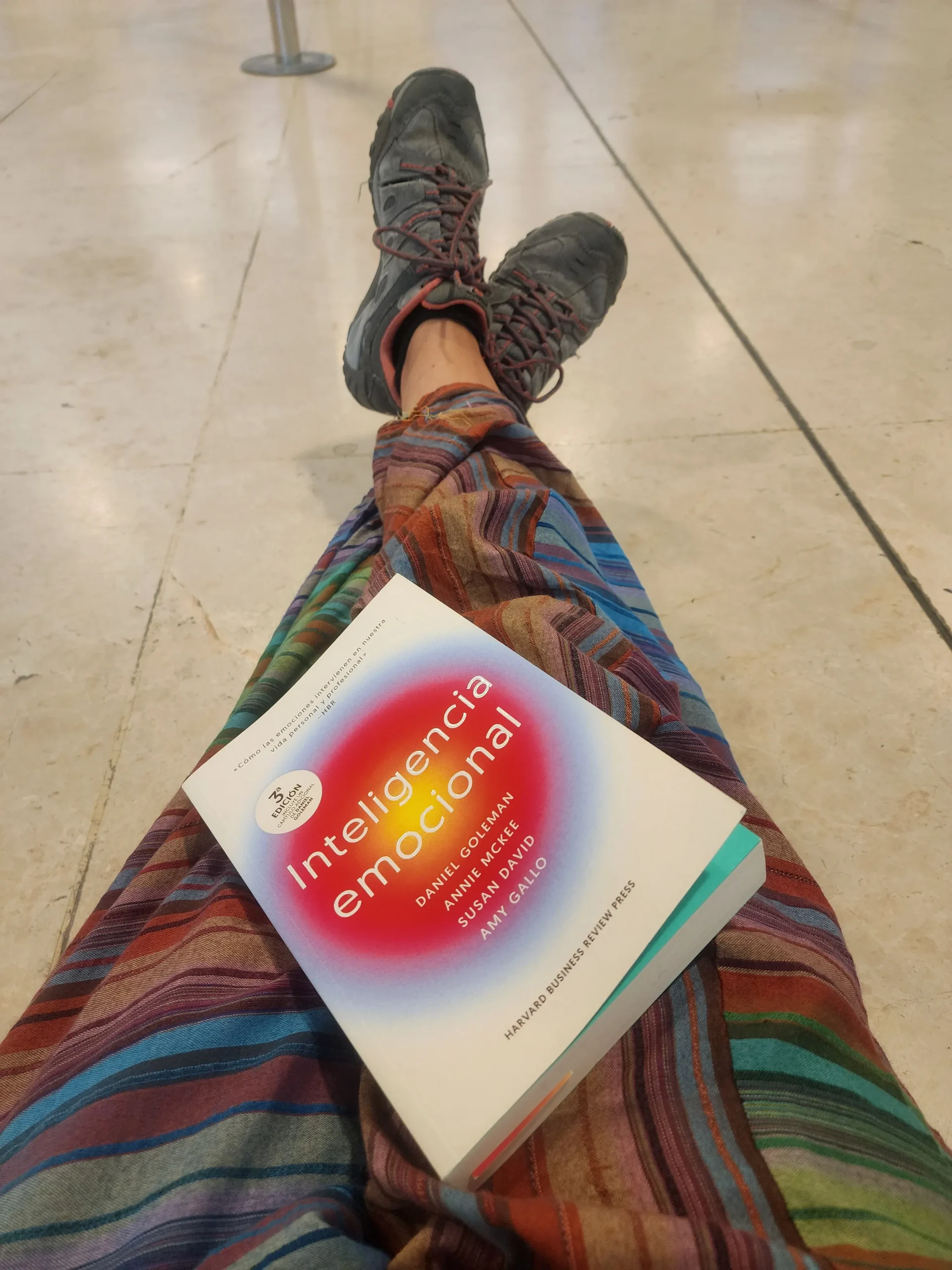
I started by the mountains
I signed up for a hiking trail without believing I'd be able to finish it. It wasn't false modesty: I really thought I'd have to turn back halfway through. That the others would keep going and I wouldn't.
I'm done. It took a lot of effort—I barely spoke during the last hour—but I'm done.
I went back. And again. And every time I got to the top, I thought the same thing: it's worth continuing.
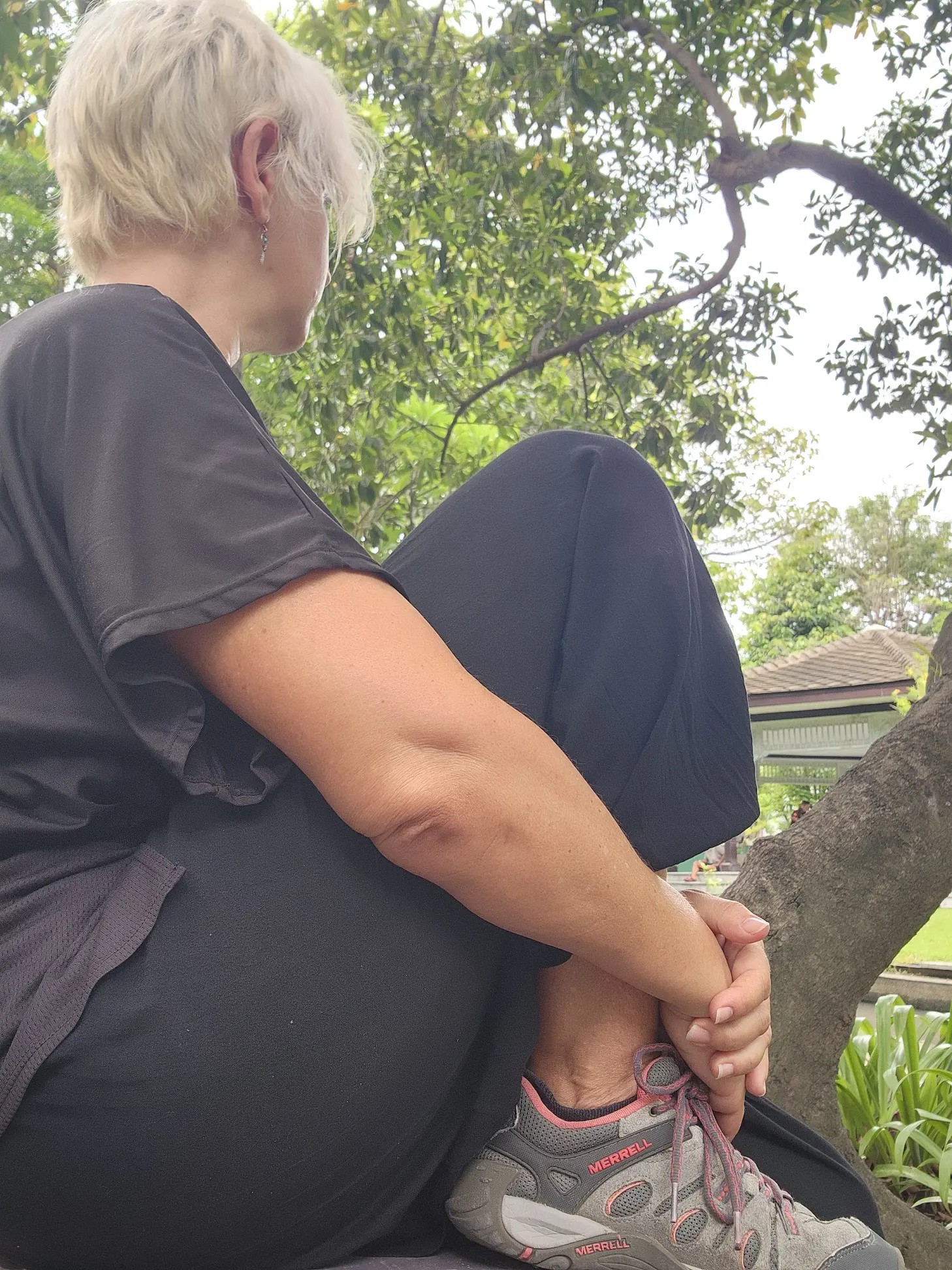
Fear doesn't always try to stop you.Sometimes it just wants to see how badly you want to live something.
Fears, one by one
Before I continue with my story, let's talk about yours. Because they're probably the same.
The first night is the worst. Always.
You’ve just arrived after a twelve-hour flight; it’s the early hours of the morning. The taxi drops you off on a street that looks nothing like anything you’ve ever seen, and there’s a smell you can’t quite place. You go up to your room. You close the door. You check the latch. And you check it again.
You sit on the bed without unpacking your suitcase and think: what have I done.
It happens to everyone. It doesn't mean you've done something wrong—it's just what your body does when you suddenly take away all its points of reference.
Eating alone is more uncomfortable than it seems
You walk into a restaurant, they seat you at a table for two, and they remove the second place setting. And suddenly you don't know what to do with your hands.
You take out your phone. You text someone who doesn't need to hear from you. You look at photos you've already seen three times.
And one day you forget to take it out. You're eating, looking out at the street, and you're not expecting anything. That day marks a turning point.
You're going to get lost. It's a sure thing.
In Bangkok, in Hanoi, in Kandy. You’ll get on the wrong bus, you’ll exit the subway at the wrong exit, you’ll walk twenty minutes in the wrong direction with admirable confidence.
And nothing's going to happen. Because getting lost in Asia almost always means that someone will come up to you and ask if you need help before you even have a chance to ask for it.
Getting sick while away from home
This fear is legitimate and deserves a serious response. It can happen, and being sick alone in a country where you don't speak the language is tough. I'm not going to sugarcoat it.
What is not known: A private hospital in Bangkok can see you in twenty minutes for a fraction of what it would cost in Europe. A decent travel insurance policy covers the rest.
Fear is real. The consequences, almost always, are much less severe than you imagine.
Something happens to you and there's no one there
This is the basis for everything else. And the honest answer is yes, there is a risk. It's smaller than the risk of driving on the highway on a Friday afternoon, but it exists.
What reduces that risk is not fear: it's information. Know which areas to avoid at night. Don't take unofficial transportation. Make sure you have a place to stay booked for the day you arrive.
Specific things. Things you can learn. Things that don't depend on your personality.
And the way others look at us—which doesn't happen there, but here
"Are you going alone?"
That look on their face. Your mom's, your boss's, or that friend's—the one who says it as if she's concerned but is actually telling you something else.
That cost is real, and sometimes it's more than the entire trip. It disappears the moment you board the plane.
People tell you, "You’re so brave," but the truth is, I was scared out of my wits the whole time. Courage isn't the absence of fear—it's getting on the plane even though your legs are shaking.
And suddenly you forget take out your cell phone
You're eating, watching the street, and you're not expecting anything. There's no one on the other end of the phone you have to tell where you are or who you're with.
That's the exact moment when the journey stops being a challenge and starts becoming your own.
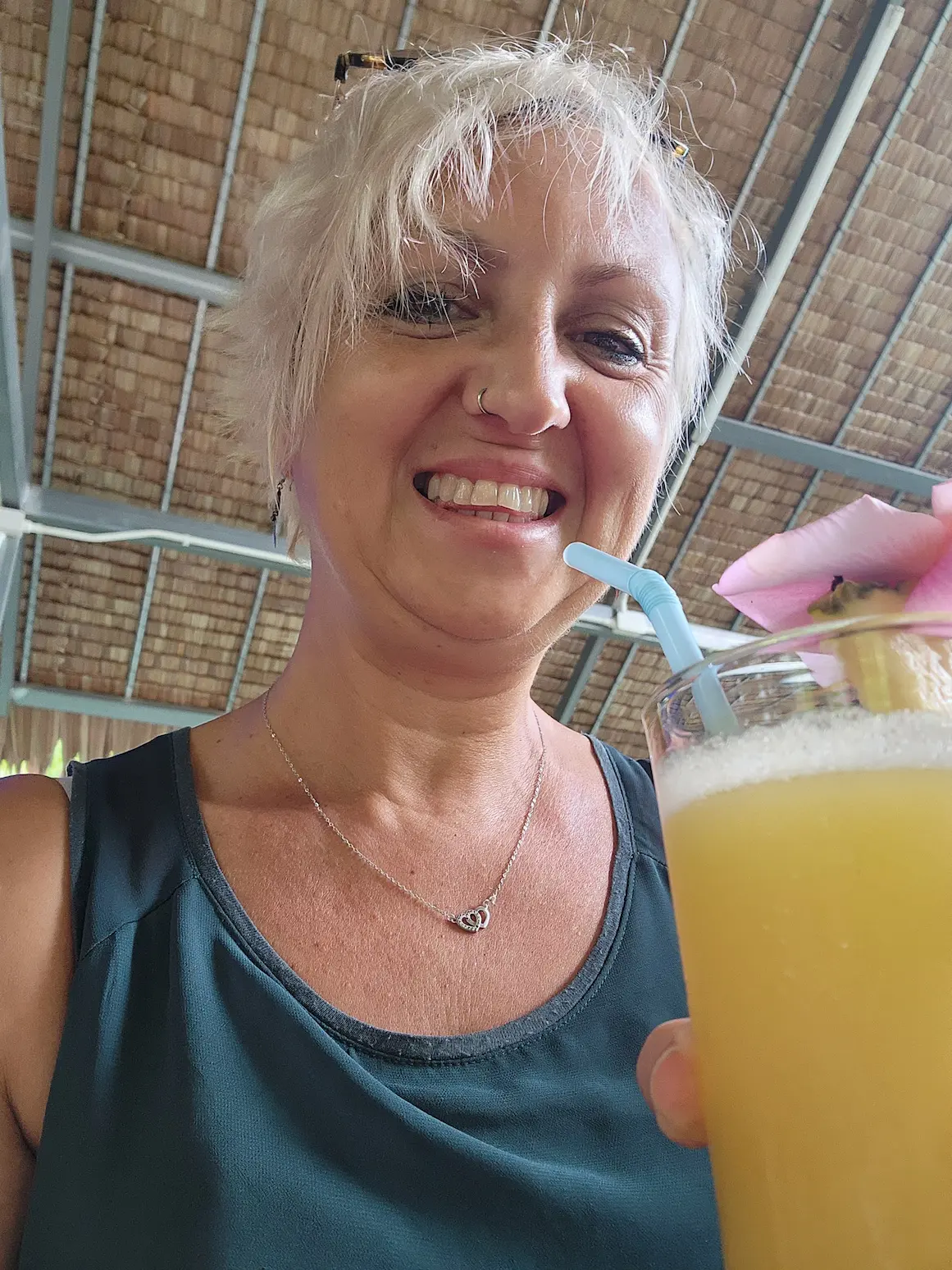
And then the city stops being frightening
At first, the noise of Bangkok is overwhelming. But after three days, you start to get the hang of it: behind the chaos of motorcycles and neon lights lies an absolute calm in the smiles of its people.
And you realize something that’s both uncomfortable and liberating at the same time: Much of the noise that was getting to you was something you'd brought with you from home.
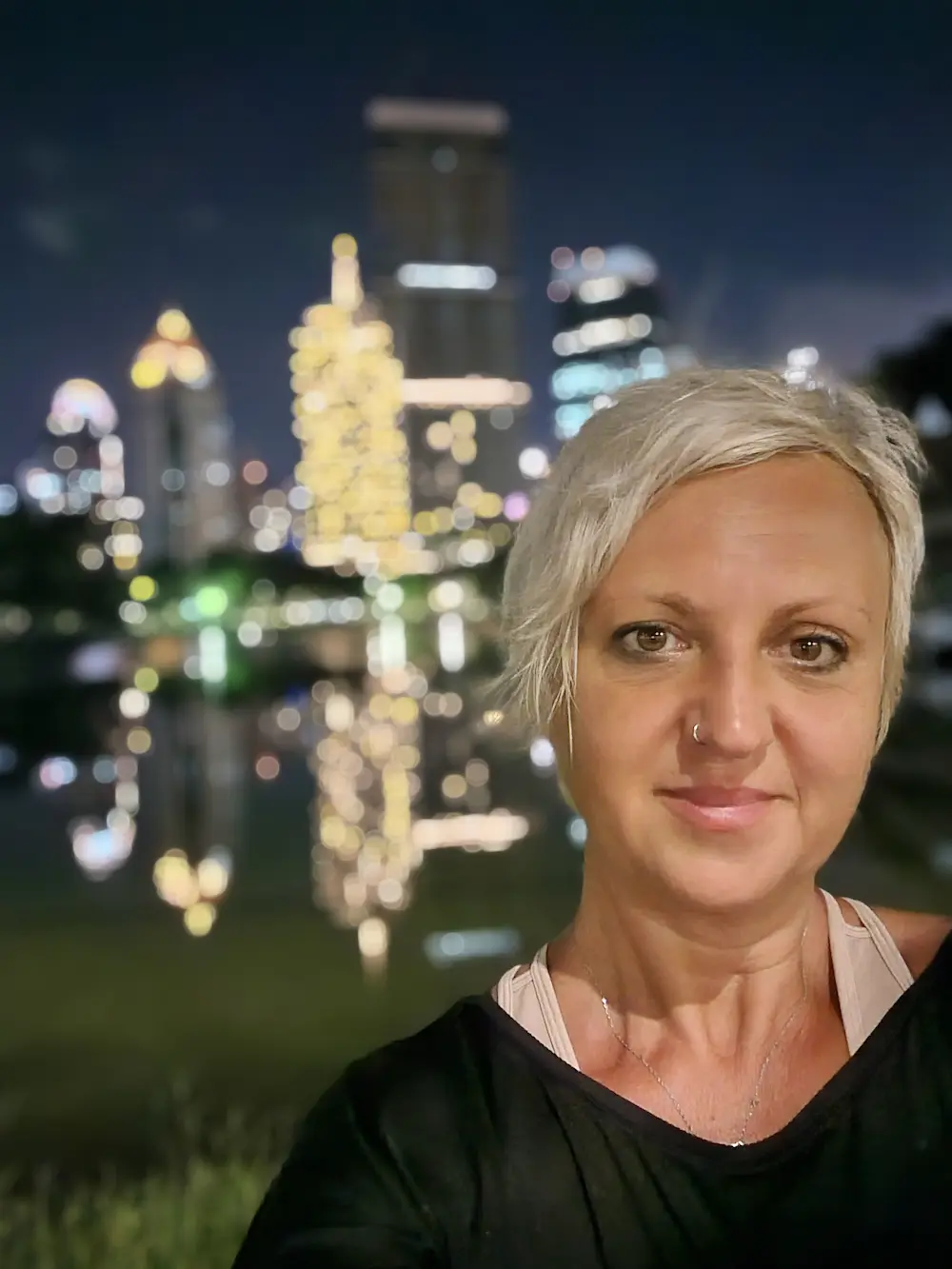
Most of the boundaries aren't shown on the map: They're in the conversations we have with ourselves.
My Fear wasn't not knowing
I'm a good swimmer. Very good, actually.
And yet, the open sea terrified me. Not the sea itself: the open sea. To swim far enough from the shore that I can't get back in two strokes.
If you're reading this and thinking that you don't travel alone because you wouldn't know how to manage on your own, stop for a second. You might know exactly how. The problem might be something else, and it might have a different name.
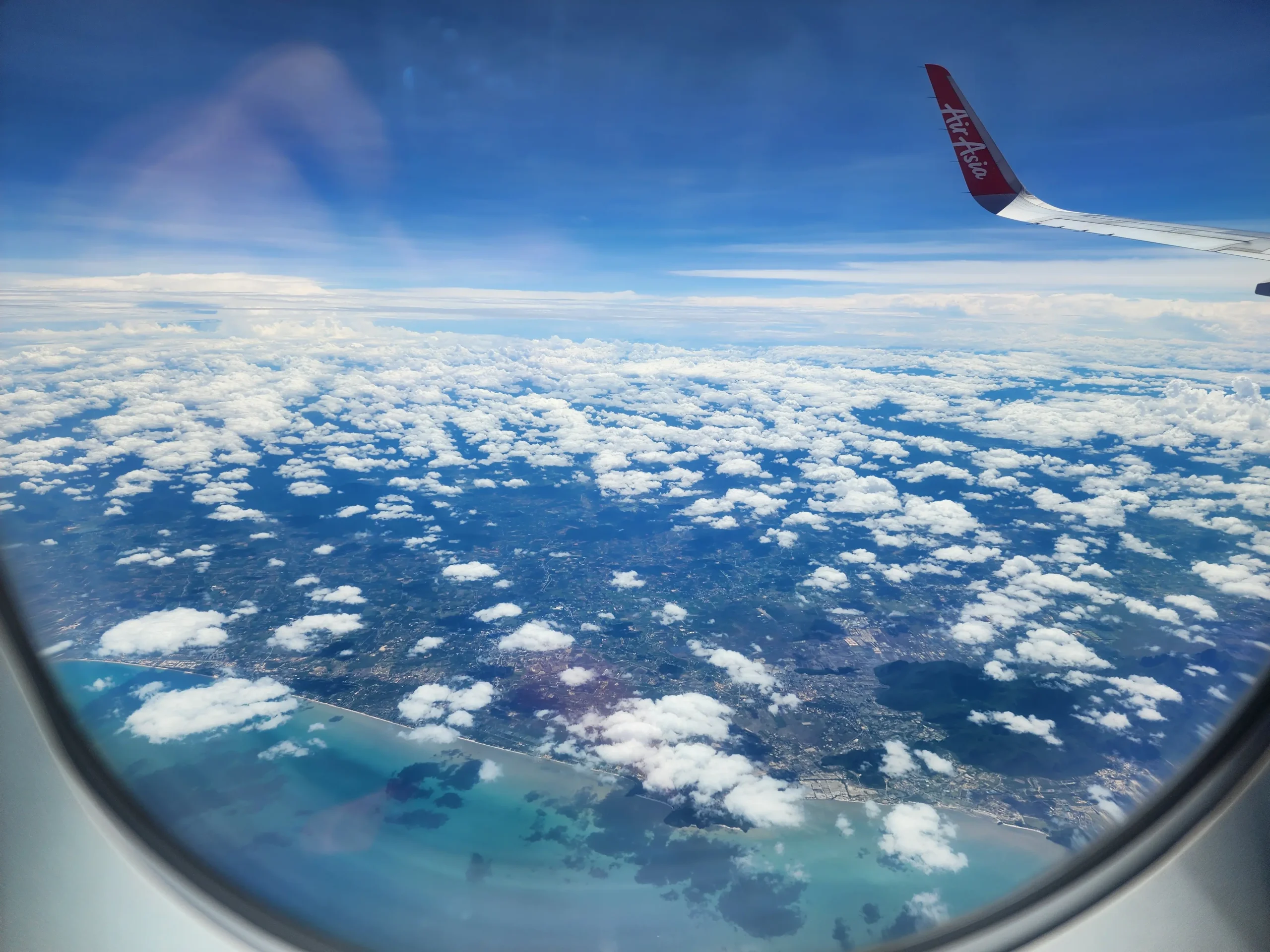
They already did it
Long before budget flights, travel insurance, and Google Maps existed, there were women who traveled alone at a time when doing so wasn’t brave—it was unthinkable. These aren’t just nice-sounding phrases. That’s what they did.
Dervla Murphy
Ireland — India · 1963On her tenth birthday she was given a bicycle and an atlas. She decided she would cycle all the way to India.
Twenty-one years later she did it. She set out in January, just as Europe was entering its worst winter in eighty years, and traveled through Persia, Afghanistan, and Pakistan. Alone. She was carrying a gun, and in Iran she had to use it to scare off some thieves.
Alexandra David-Néel
Paris — Lhasa · 1924She wanted to enter Lhasa, the forbidden city of Tibet, at a time when no foreign woman had ever managed to do so.
She walked 2,000 kilometers over eight months disguised as a beggar: skin stained with soot, hair dyed with Chinese ink, traveling by night. There were stretches where they ate the boiled leather of their boots.
She was fifty-five years old. She lived to be one hundred.
Ida Pfeiffer
Vienna — The World · 1842She married at the age of twenty-two to a man twenty-four years her senior, whom her mother had chosen for her. She spent two decades as a wife and mother.
At forty-five she announced that she was leaving. She had to lie and say she was going on a pilgrimage: It was considered unacceptable for a woman to travel alone for pleasure. She traveled around the world twice.
Freya Stark
Persia — Arabia — the HimalayasShe learned Arabic and Persian so she could travel alone to places where no European woman had ever been. She discovered the Valley of the Assassins and corrected British military maps—an achievement that earned her the Royal Geographical Society’s Gold Medal.
At eighty-one she crossed Himalayan passes on horseback at five thousand meters. She died at the age of one hundred.
Isabelle Eberhardt
Geneva — Sahara · 1897She left for North Africa at twenty and never came back. She converted to Islam, cut her hair, swapped European dress for a djellaba and traveled the desert under
She died at the age of twenty-seven, swept away by a flash flood in the middle of the desert.
And all the others
The ones that didn't make it into the booksFor each of these five, there were dozens who did the same, yet not even their names remain. Women who left without permission, without money, and with no one to tell when they returned.
The story of traveling alone doesn't start with you. But it can continue.
None of them had a cell phone. None of them had anyone to call. None of them had anyone waiting for them on the other side with a room reserved.
Pilar Tejera
A historian from Madrid. In 2008, she founded mujeresviajeras.com and the publishing house Casiopea, with a specific goal: to rescue the female travelers of the past from oblivion.
If we know the names of the five women listed above today, it is largely thanks to their work.
The day that I went out alone
Toni gave me a paddleboard. I'm good at it—really good, actually. The only thing I was missing was being able to paddle out from the shore, which was exactly what I couldn't do.
We started out by going together. He was right beside me. Making sure—me, not him—that it was possible. That the board could hold up. That if something happened, it would just happen, and that would be that.
And one day, when the sea was calm, I decided to go explore the coast on my own.
The fear didn't go away. It changed. What had been a source of anxiety up until that point suddenly turned into energy, into motivation, into feeling better than ever.
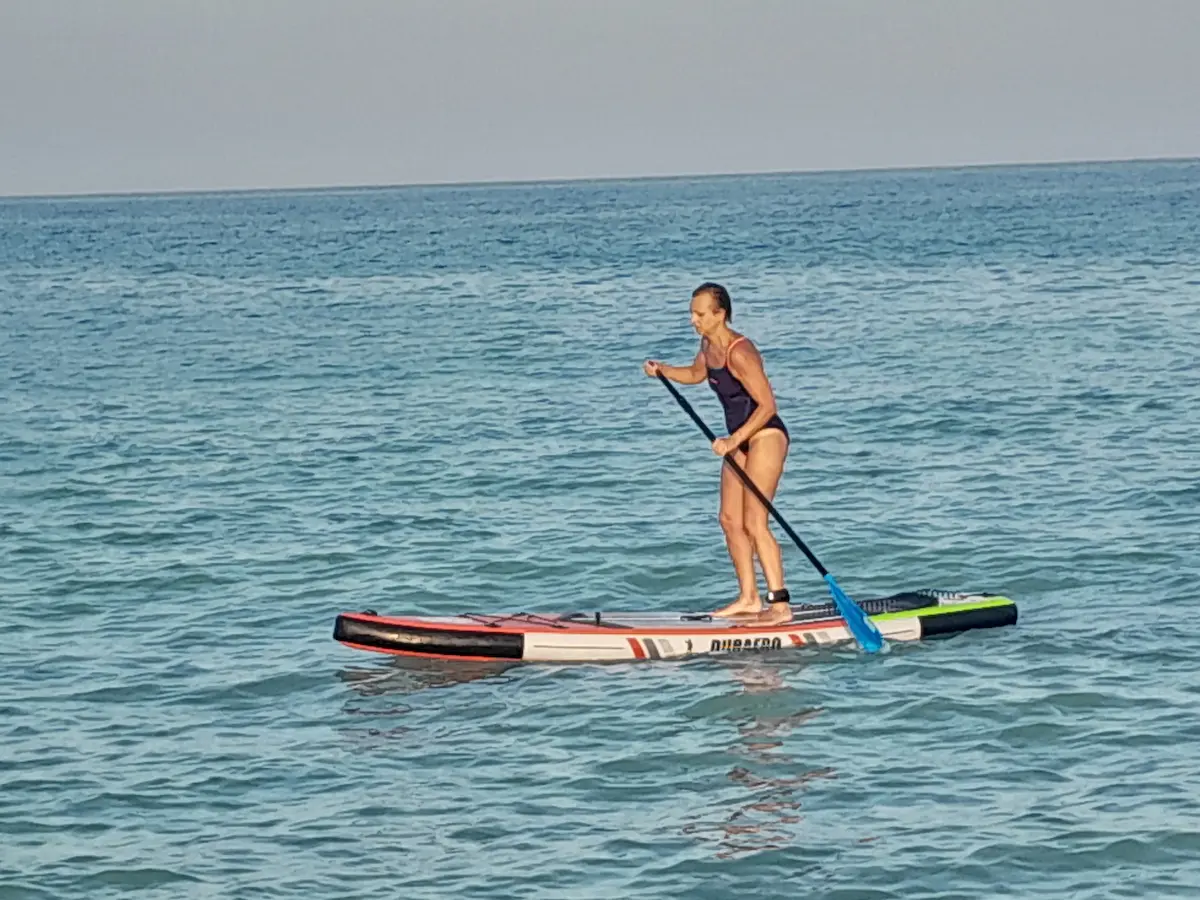
The sea ceased to be a border
After that day, I went back many times. Alone, with the sea calm, and without giving it much thought.
And what I learned there helped me with everything else: Fear isn't overcome all at once. It gets smaller every time you realize you could do it.
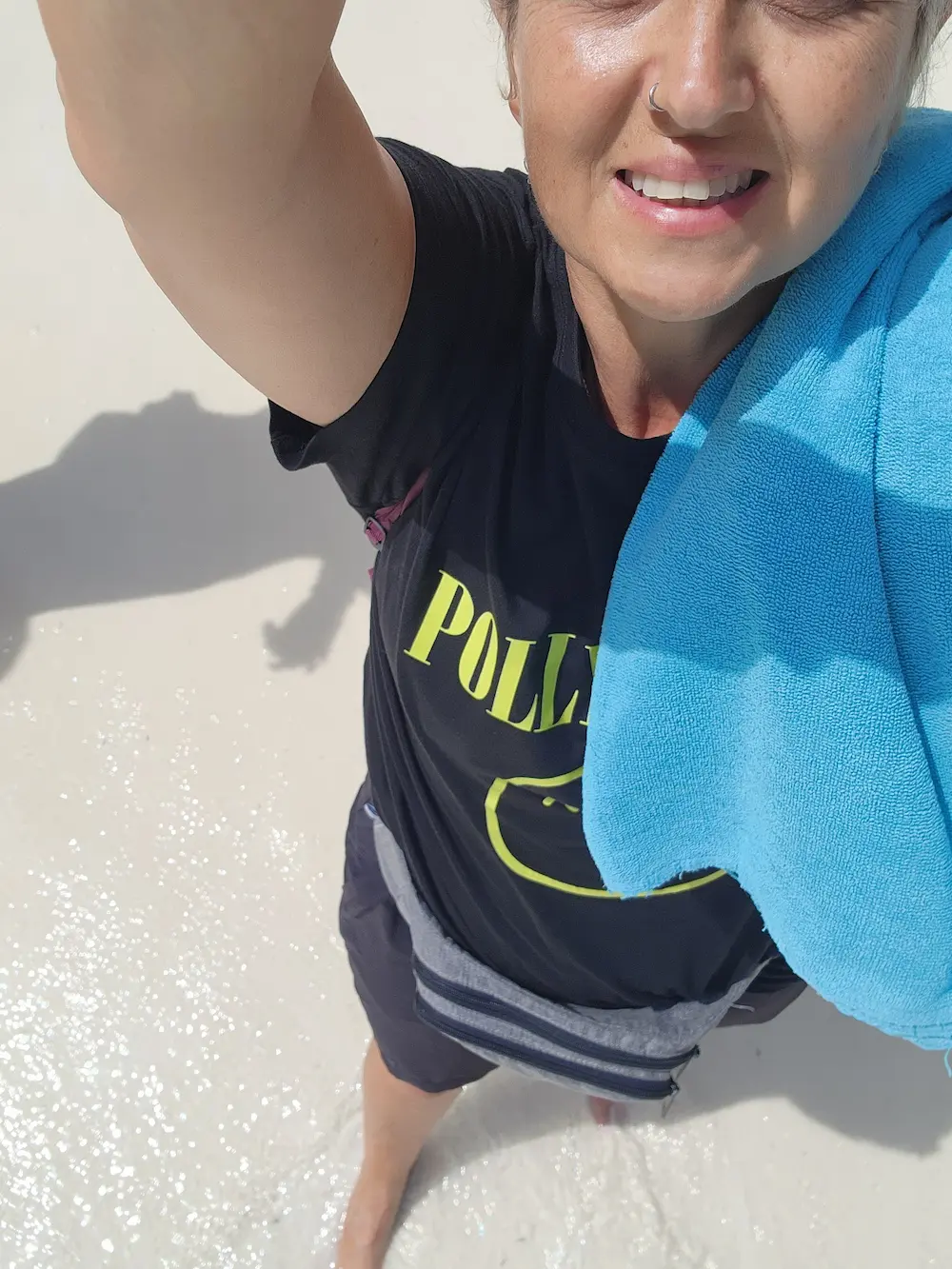
Confidence doesn't come before you travel. It appears because you travel.
What is true
An article that just offers reassurance is useless. So I'm going to tell you what's true.
It's more expensive
There's no one to split the cost of the room, the taxi, or the guide with. Between one 20 and 40% more, depending on the destination.
It requires precautions that others do not take
Return to certain areas before dark. Be more selective about where you stay. This isn't alarmism: it's judgment.
Loneliness exists, and sometimes it weighs heavily
It's not all about sunrises. There are afternoons when you'd give anything to talk about what you see with someone who understands.
Not everyone enjoys traveling solo
And that's okay. Some people need to share in order to enjoy themselves. I'm one of those people, and it took me an entire trip to figure that out.
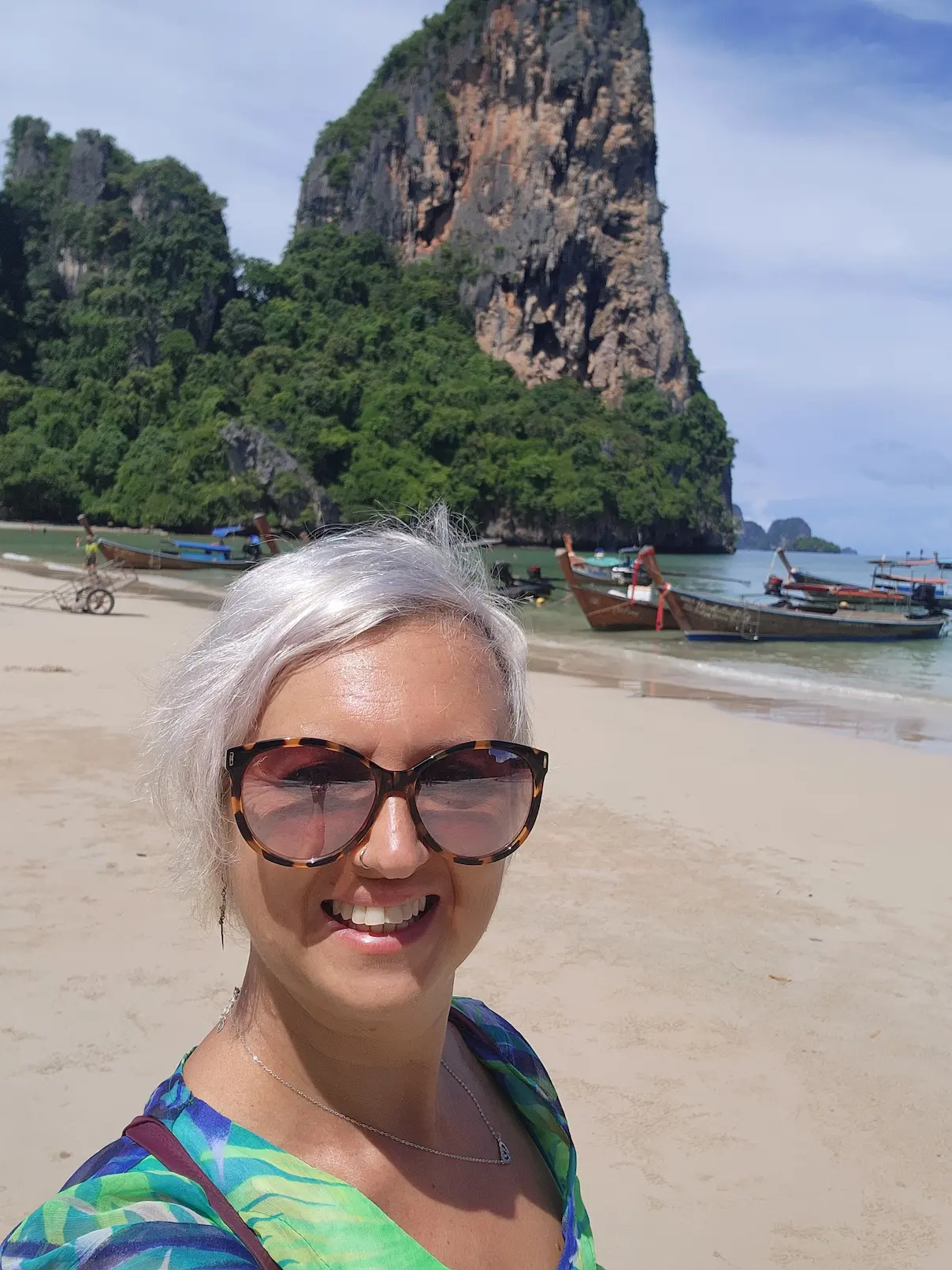
What Nobody Talks About and it's true
Traveling alone doesn't mean being alone
It's the paradox that no one explains: people who travel with others talk much less with strangers. When you're out on your own, everyone talks to you.
Asia Is Safer Than People Think
Rates of violent crime in Thailand, Vietnam, and Sri Lanka are lower than in many European capitals. The problem isn't usually violence—it's petty scams, and you can learn how to spot them in two days.
Change is coming sooner than you think
It usually happens on the third or fourth day, and it’s always something small. Ordering in a language you don’t speak and having them understand you. Realizing you haven’t looked at your phone in three hours because you don’t need to tell anyone where you are.
That's when it stops being a challenge and starts becoming a journey.
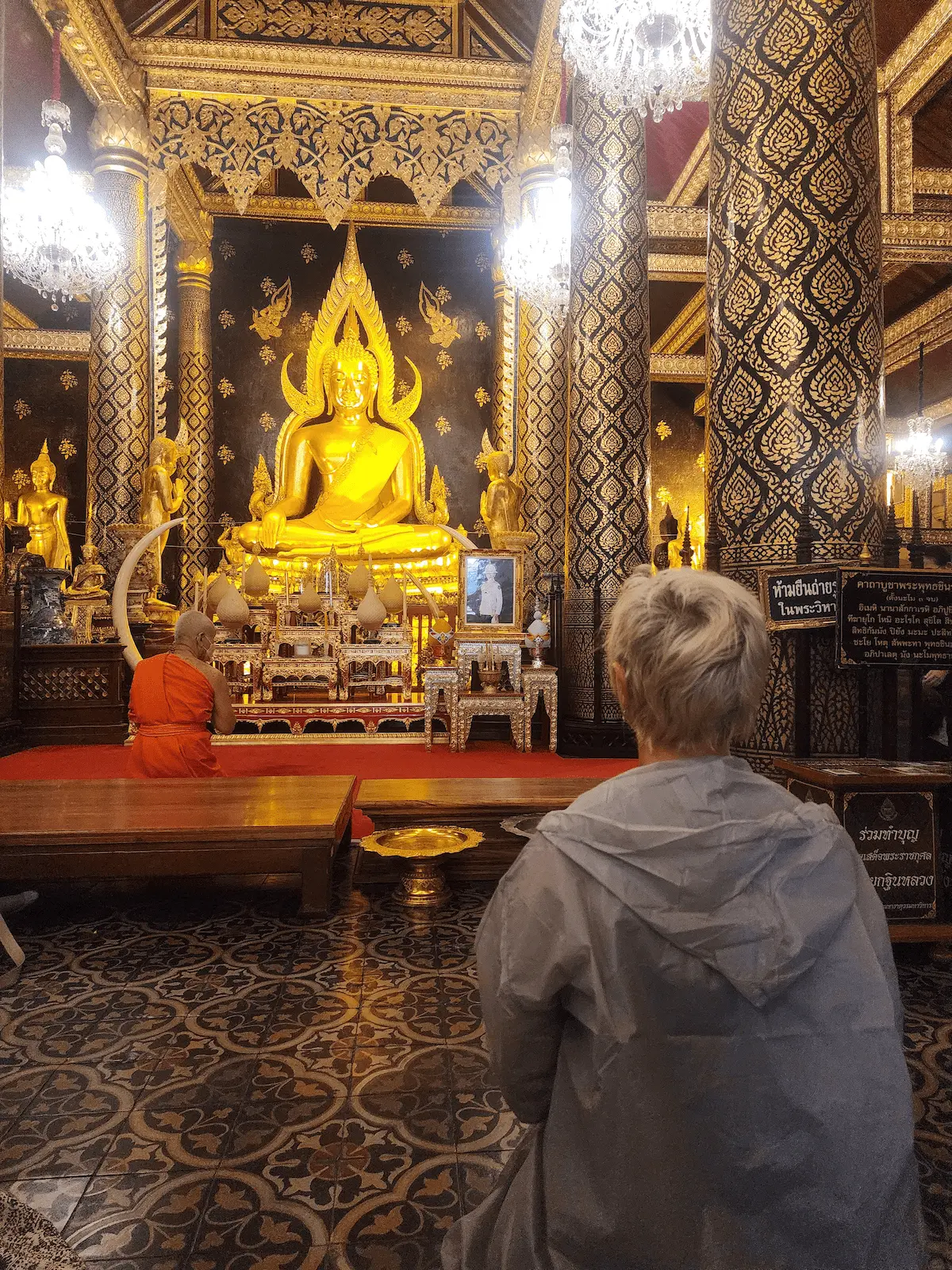
Traveling alone to Thailand helped me rediscover a side of myself that I had lost in my daily routine. I felt attractive, free, and, above all, capable again.
AnabelTraveling alone gives you a certain glow in your skin and in your eyes that no cosmetic in the world can give you. It’s the radiance that comes from knowing you’re in control of your own destiny.
LucíaI thought I'd spend the whole trip staring at my phone so I wouldn't look lonely. By the second day, I realized that nobody cared, and that being alone and enjoying a sunset was the greatest privilege in the world.
LauraMy first trip alone
And now for the part I might have kept to myself.
The first time I traveled abroad alone, I left home feeling nervous but excited. I was eager to go. I was confident. Until I got on the plane.
The first few days were filled with panic. That feeling of having been dropped off at some point on the map outside your comfort zone, with no idea how to get out.
I'm telling you this because if it happens to you, I want you to know that it's not you, that you haven't failed, and that it happened to me too—even though I'd climbed mountains and gone out into the open sea on my own.
With people. For sure. I need to share, I need to laugh with someone. If you do it differently, the experience ceases to be a solitary one and becomes a wonderful one.
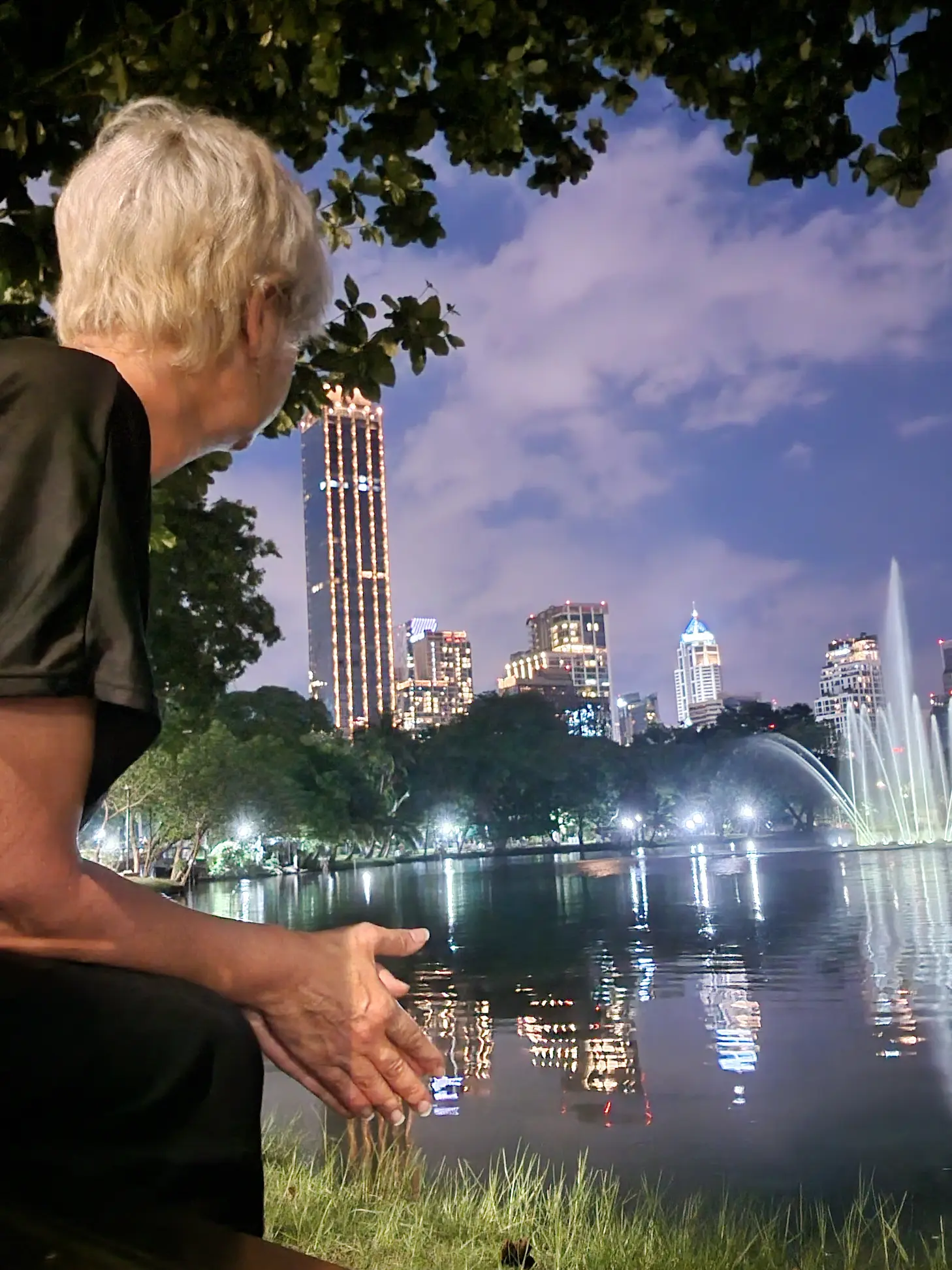
Traveling alone isn't the same as traveling solo
Here's the distinction that took me an entire trip to understand. And it's what turns "someday" into a specific date.
Traveling Alone
The decision is yours. You don't have to depend on anyone else's schedule, their tastes, their budget, or whether it works out for your friend in March.
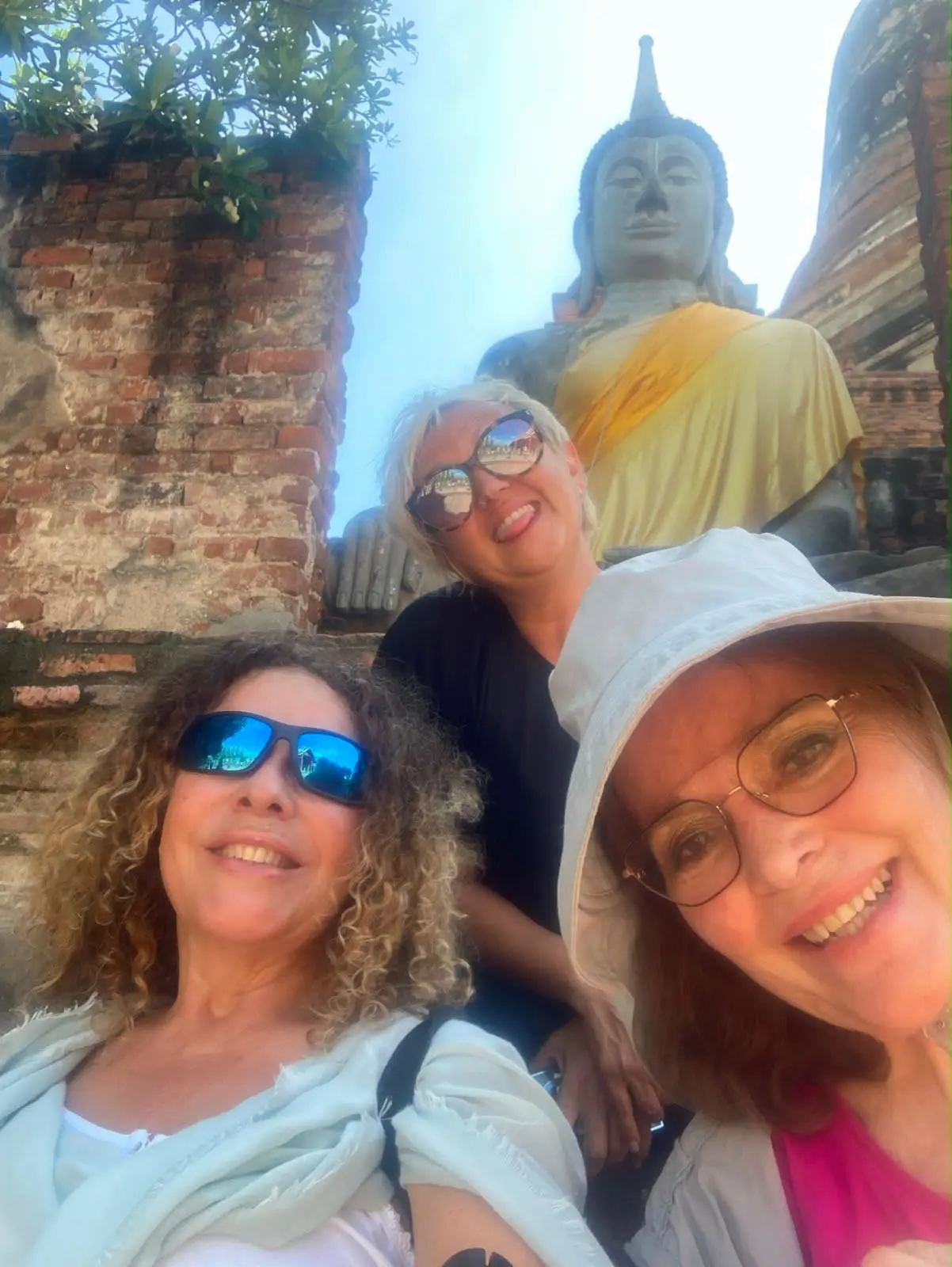
Traveling solo
It also means being alone around the clock, figuring it all out on your own. Eating dinner alone fourteen nights in a row. Dealing with a train problem at 11 p.m. in a language you don't speak.
You can do the first without the second.
There are women who need to get away all by themselves and find exactly what they were looking for. I find that admirable, and for them, this article ends here.
And there are others—myself included—who want the freedom to decide for themselves, but don't want to deal with the logistics or spend the first night not knowing where they are.
Both options involve traveling alone. The second one is the one we organized. It's not better—it's different.
Signing up on my own for a small group was the best decision I could have made. I had my own space when I needed it, but I shared laughter and dinners with people who became lifelong friends.
MartaTen days worth a whole year
There's something that happens when a small group spends fourteen days away from home—something that can't be forced or planned.
People who didn't know each other at all end up saying goodbye at an airport as if they'd spent half their lives together. And that's almost always the part of the trip that nobody expected.
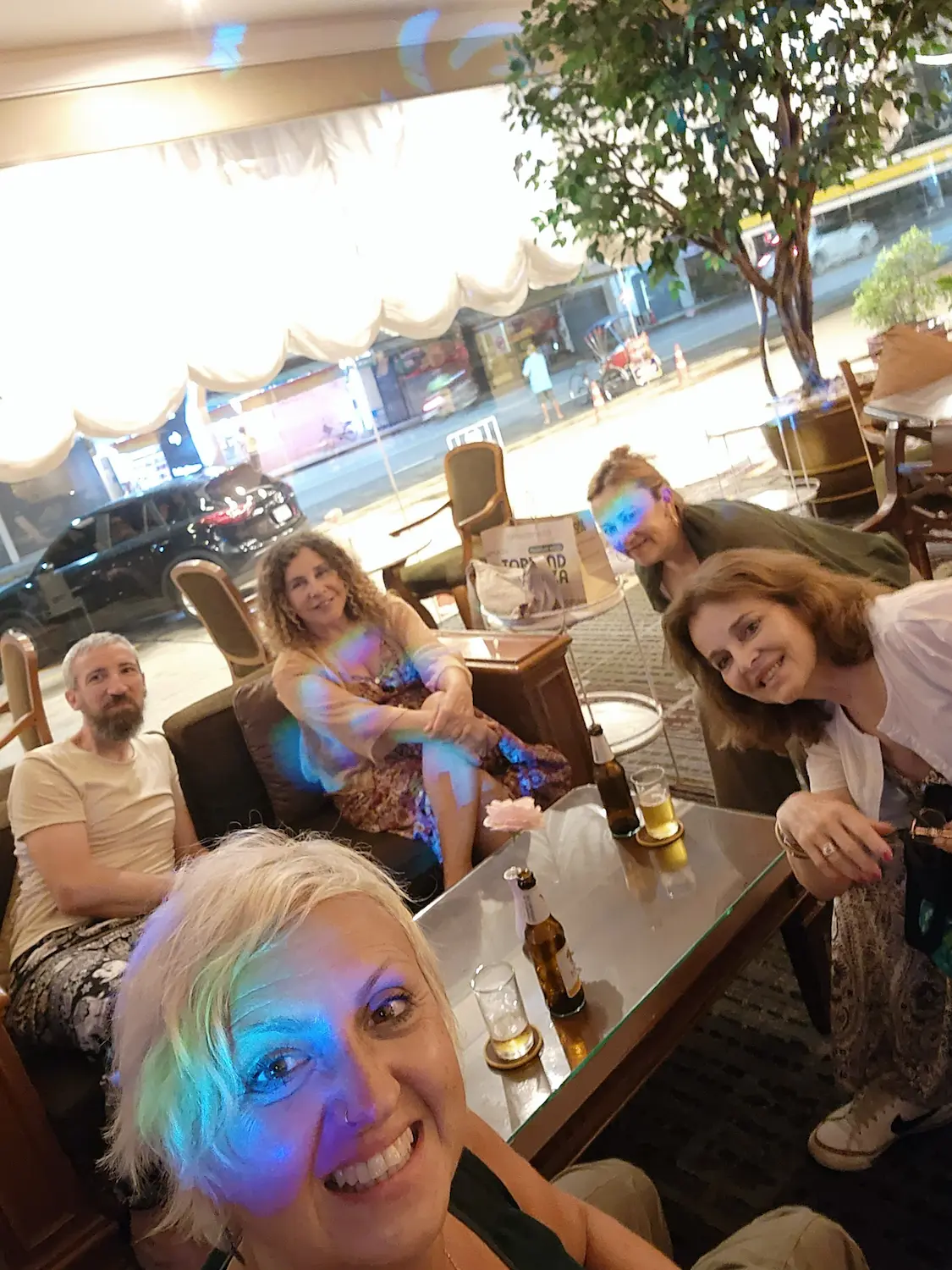
You don't come back from Asia a different person.You come back with a better understanding of who you already were.
If you're thinking about it
If you've made it this far, it means you've been thinking about it for a while.
You don't have to decide today whether you'll go all by yourself, with a group, or with a friend. You just need to stop treating it like a fantasy and start treating it like a possibility.
Check the dates. Check the prices. Talk to someone who's been there. The rest will fall into place.
It took me years to climb a mountain, even longer to venture away from the shore, and an entire trip to figure out how I wanted to travel. It's okay to take your time. The problem is not getting started.
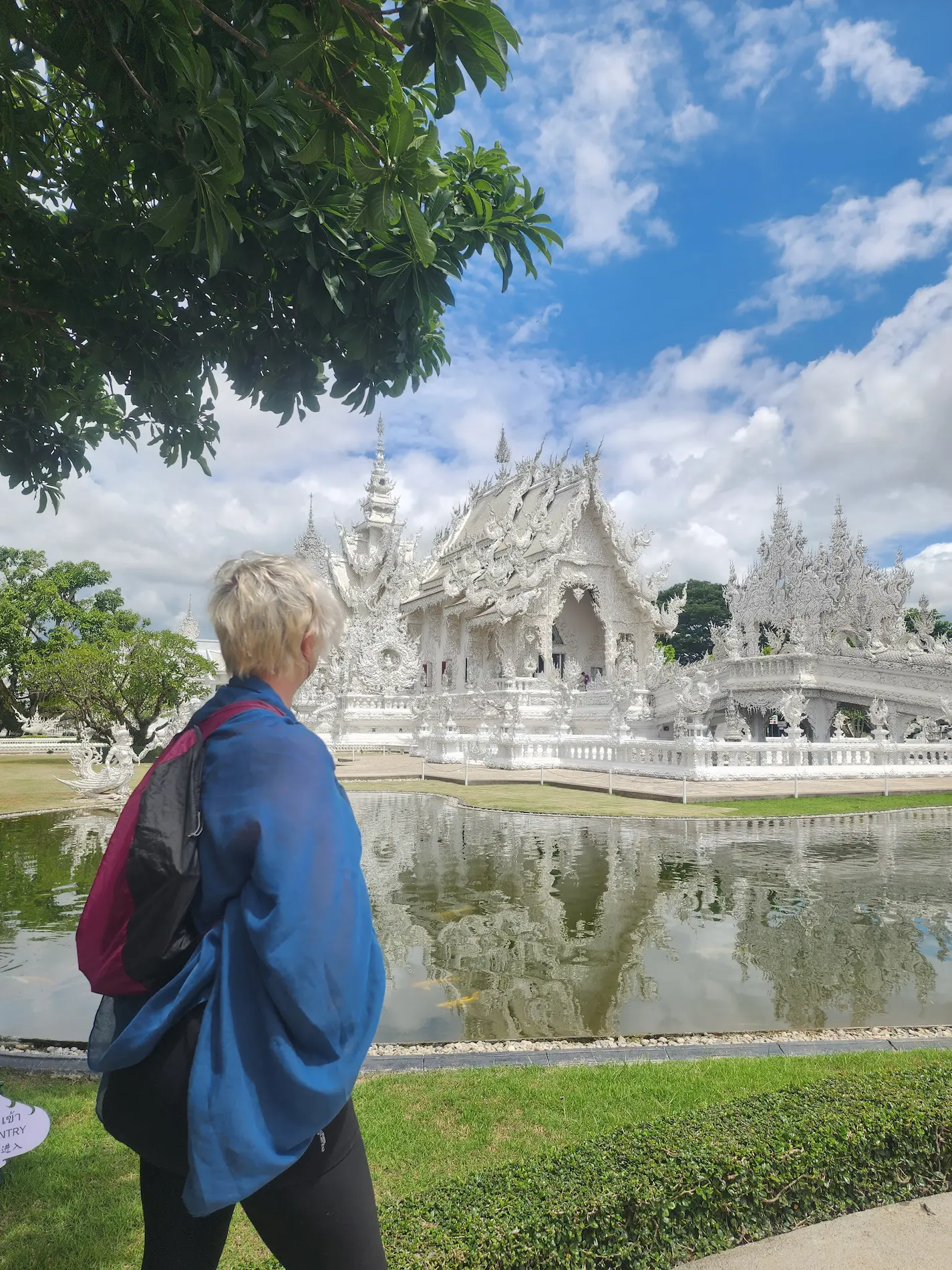
You're going alone.
You're not alone.
Groups of up to thirteen people. Everything is taken care of. You decide; we'll handle the rest.
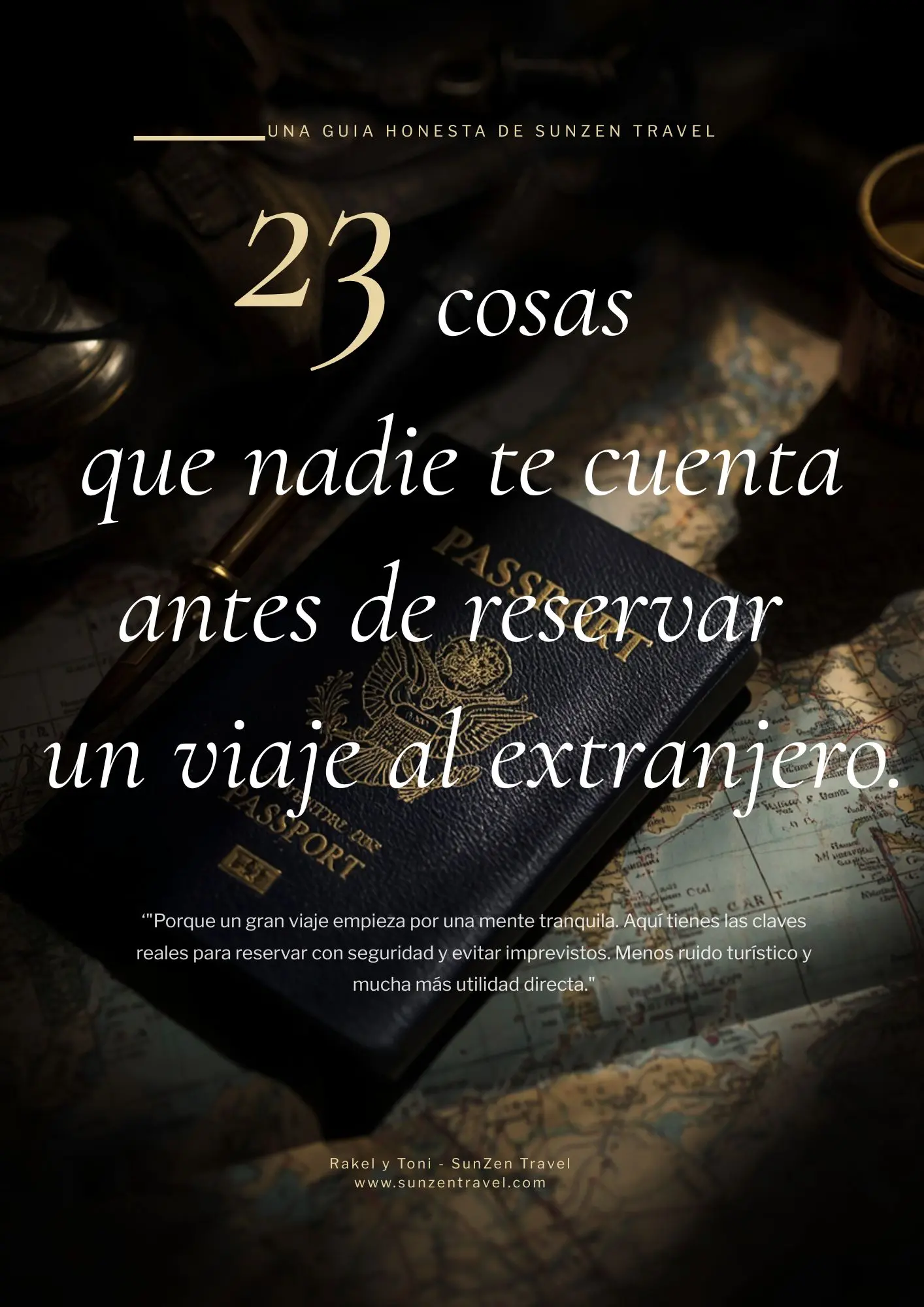
The guide, free
Everything you need to know before making a decision.
More from SunZen
The Inner Atlas and the trips we organize.
I started out climbing mountains I didn't think I could finish, and I ended up starting a travel agency. Along the way, I learned that fear isn't something you overcome—it's something you transform. And that there's more than one way to travel alone.