Year New Asian
People cook, clean, pay, forgive, get wet, and keep quiet. Vietnam, Bali, Sri Lanka, and Thailand don't start the new year on the same day or with the same tradition.
The Asian New Year fits into three watches
In the West, the year ends all at once: twelve chimes, twelve grapes, a hug that lasts three seconds. It lasts as long as a minute. In Asia, not so.
In Asia, the year doesn’t just end: people cook, clean, pay their bills, forgive, get wet, and keep quiet. It takes weeks to fade away, and it arrives dragging along a list of things that must be done right, because whatever happens on that day determines what will happen on the other three hundred sixty-four.
The first thing we need to debunk is the idea of «Chinese New Year.» There isn’t just one Asian New Year’s celebration, and lumping half the world’s population under that label is like saying that Christmas and Ramadan are the same thing because they both involve food. There are at least three different calendars in use at the same time.
It marks the Vietnamese Tết. Vietnam shares its calendar with China, but not quite the same zodiac: where the Chinese have the ox, the Vietnamese have the buffalo, and where the Chinese have the rabbit, the Vietnamese have the cat.
Vietnam · China · KoreaA calendar of its own, with Indian roots, that Bali uses to determine Nyepi. It falls on the day after the new moon near the spring equinox, and the date changes every year.
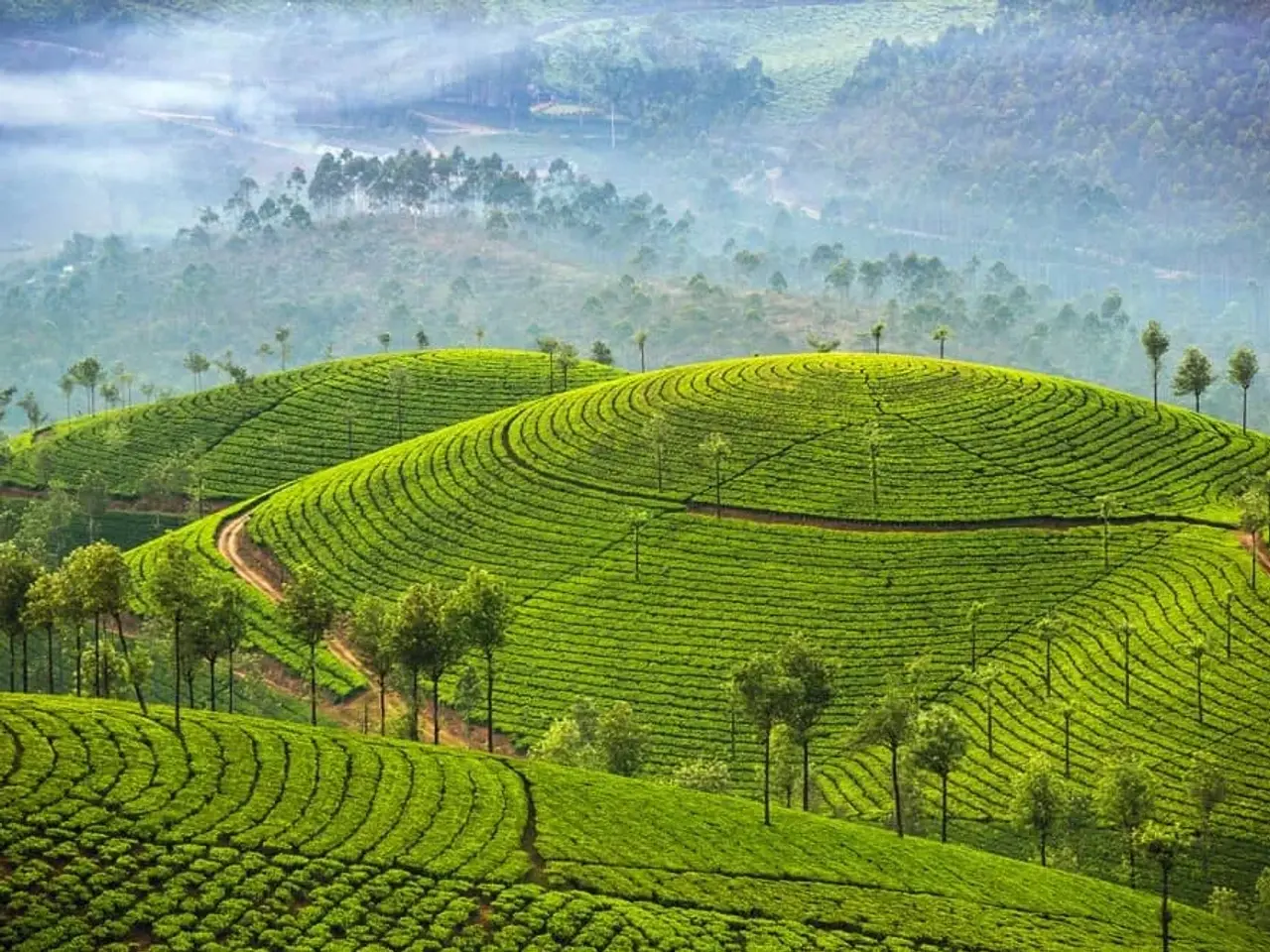
BaliWhen the sun enters Aries, the year begins in South and Southeast Asia. It’s an agricultural year: it comes after the rice harvest, before the unbearable heat and the rains. That’s why all those festivals involve water.
Thailand · Sri Lanka · Laos · Cambodia · Myanmar · IndiaThere’s one detail that explains why we’ve been calling it by the wrong name for decades. The Lunar New Year really is a big family: the Chinese Spring Festival, the Vietnamese Tết, and the Korean Seollal all follow the same calendar. UNESCO inscribed the Chinese Spring Festival on its Representative List of the Intangible Cultural Heritage of Humanity on December 4, 2024. All of that is true. But it covers only one of the three festivals.
Songkran, on the other hand, was added to the same list a year earlier, in 2023, and has nothing to do with the moon: it has to do with the sun entering Aries. And Nyepi isn’t on any list, because it’s hard to list silence.
That's what the Asian New Year is all about: not a single date, but three calendars that almost never align. Let's take it one step at a time.
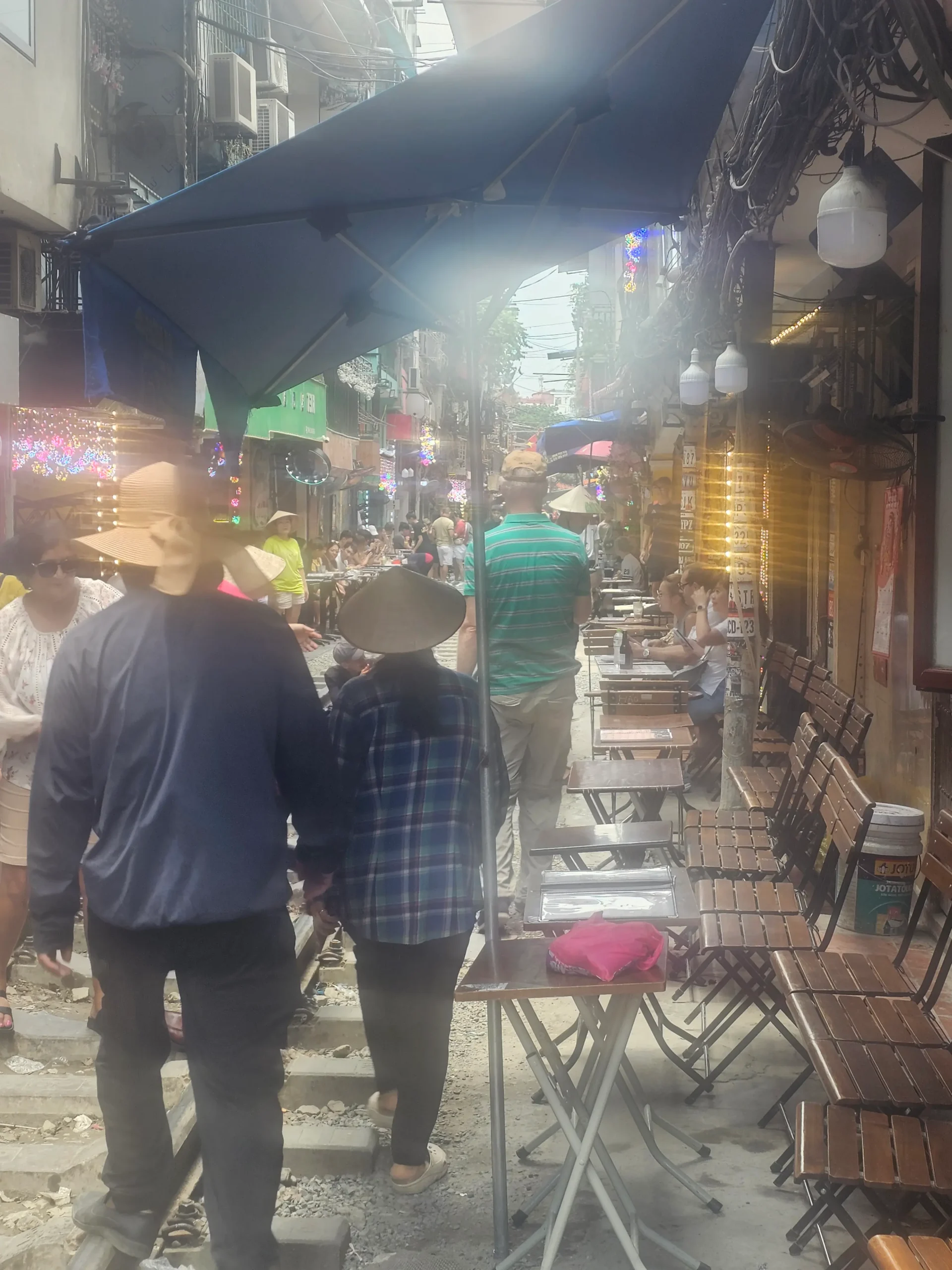
The Year That Begins with a Return Home
The Asian New Year begins here. In 2027, it falls on Saturday, February 6, marking the start of the year of Đinh Mùi, the Year of the Goat.
Tết doesn’t start on the 1st. It begins a week earlier, on the 23rd of the last lunar month, with a scene that seems surreal to a European but perfectly normal to a Vietnamese person: entire families heading down to the river with a plastic bag full of water and a live carp inside.
The kitchen empties, the gods depart
In every Vietnamese kitchen, there are three household deities: the Mr. Công and Mr. Táo, the gods of the home and the hearth. They spend the whole year there, watching over us. They’ve seen the arguments, the silences at the table, who helped and who didn’t. On the 23rd, they ascend to heaven to give an account to the Jade Emperor, and they need transportation: a carp. That’s why families set up an altar, burn gold paper, and then release the fish into the water—alive—so it can carry the gods on its back.
The legend behind it is a story of love—both awkward and beautiful. A married couple who couldn’t have children; he became harsh, mistreated her, and she left. Years later, each having rebuilt their lives separately, chance brought the three of them together—her, her first husband, and her second husband—in an impossible situation. All three died. The Lord of the Underworld, moved by their story, turned them into the three stones of the hearth—those three stones that come together to support the pot. That way, they could be close to one another forever, with the fire burning between them.
Think about that the next time you turn on the stove. For millions of people, inside there are three people who once hated each other and were given a second chance in the form of heat.
That same day, the 23rd, the cây nêu: a very long bamboo pole, stripped of its leaves, wrapped in red, and decorated with bells and flags. While the kitchen gods are away, the house is left unguarded, and the cây nêu serves as a scarecrow to ward off evil spirits. When it is taken down, Tết is officially over.
What to Do Before It Arrives
The entire house is cleaned, so that the dirt from the old year doesn't cross the threshold. The walls are painted. Debts are paid: In Vietnam, it's considered bad luck to start the new year owing money, and people also settle any outstanding disputes. If you're on bad terms with your brother-in-law, give him a call that week.
People visit their family graves. They clean them, bring flowers, light incense, and formally invite their ancestors to come home for the holidays. There is an expression that sums up the entire Vietnamese ethos in five words: When you drink water, remember where it comes from, «When you drink water, remember the source.».
And it wraps around the bánh chưng. Glutinous rice, mung beans, pork belly—all wrapped in leaves of La Dong —not a banana leaf, even though almost all the guides get it wrong; the banana leaf is the one from the south—formed into a perfect square and boiled for hours, sometimes all night long, with the whole family gathered around the pot, chatting about this and that. The southern version, which is cylindrical, is called bánh tét. The square represents the earth; the circle, the sky.
Legend has it that it was invented more than two thousand years ago by a prince named Lang Liêu, the least favored son of a Hùng king who held a contest to choose an heir. The other sons brought delicacies from faraway places. He brought rice, beans, and pork—what the land you walk on provides. He won.
In the north, the flower of Tết is the pink peach tree, hoa đào. In the south, the hoa mai, the yellow ochna, although it is almost always translated as “apricot.” And everywhere you see the kumquat: those dwarf orange trees laden with fruit that families buy whole, in pots, and place at their front door. A tree bearing ripe fruit, unripe fruit, flowers, and buds all at once is the image of a family with three generations living under one roof.
The first foot to cross the threshold
At midnight on New Year's Eve, the moment the sun crosses the horizon, the most beautiful—and most stressful—Tết tradition begins: the housewarming.
The first person to set foot in your home in the New Year determines how your year will go. Your fortune for the entire twelve months depends on who knocks on your door first. So no one is allowed to enter without an invitation. Families choose in advance someone who is good-natured, prosperous, has not recently experienced a bereavement, and whose zodiac sign is compatible with that of the head of the household. And that person arrives at an agreed-upon time, fully aware of the weight of responsibility they carry.
It's an absurd tradition, and it's also a statement: here, we believe that the people we let in change our lives.
Next come the lì xì, the red envelopes filled with money that adults give to children—always an even number of bills, always new bills—and a schedule of days that organizes the expressions of affection: the first day is for the father’s side of the family, the second for the mother’s, and the third for the teachers. And there’s a lovely detail in this cycle: when young people grow up, they stop receiving the envelope and start giving it. First you receive the good wishes; then it’s your turn to pass them on.
One last thing: during Tết, in a sense, Everyone has their birthday on the same day. In the traditional Vietnamese calendar, age is not counted from the day you are born, but from the start of the new year. A baby born in January turns one in February.
Clean everything up. And then, no sweeping allowed.
For weeks, the house is cleaned from top to bottom. And then the big day arrives, and no one even touches a broom.
BEFORE NEW YEAR'S
Make room
The whole house, the walls, the kitchen. Debts paid off. Arguments settled. Graves cleaned. New clothes bought. Everything old, out of the house before midnight.
It's not just about cleaning for the sake of cleaning—it's about starting from scratch.
STARTING ON DAY 1
Don't ruin what's already been done
Good luck has just come in. If you sweep with a broom, you’ll sweep it right out along with the dust. In some homes, people go three days without taking out the trash: if something needs to be picked up, it gets piled up in a corner and stays there.
In the south, there is an additional superstition: any family that loses its broom during Tết will be robbed that year.
The list of things to avoid on the first day
- Don't break anything. A plate, a glass, a mirror broken on the 1st foretells breakups, separations, and families falling apart.
- Do not expose to fire or water. Fire represents the warmth of home, and water represents wealth—in Vietnamese, people wish for money to flow in «like water.» Giving a lighter or a glass of water on the first day is like giving away your own luck. In the past, people would hire someone to bring water home on the morning of the 1st, and that person would also be given a red envelope.
- Don't argue, don't yell, don't say mean things. The first day sets the tone for the next twelve months.
- Do not wear white or black, the colors of mourning. It comes in red, yellow, pink, and green.
- Don't go around congratulating anyone on the morning of the 1st unless you've been invited, regarding the xông đất tradition.
It’s also worth noting that this sparks debate within Vietnam itself. Some Buddhist monks explain quite clearly that sweeping the floor has nothing to do with the Dharma and that one can clean the house without fear, and that the idea of not lending fire or water is, at its core, a form of stinginess disguised as good fortune. Living traditions are in constant dialogue with themselves. That is exactly what keeps them alive.
Some Vietnamese people are afraid of Tết.
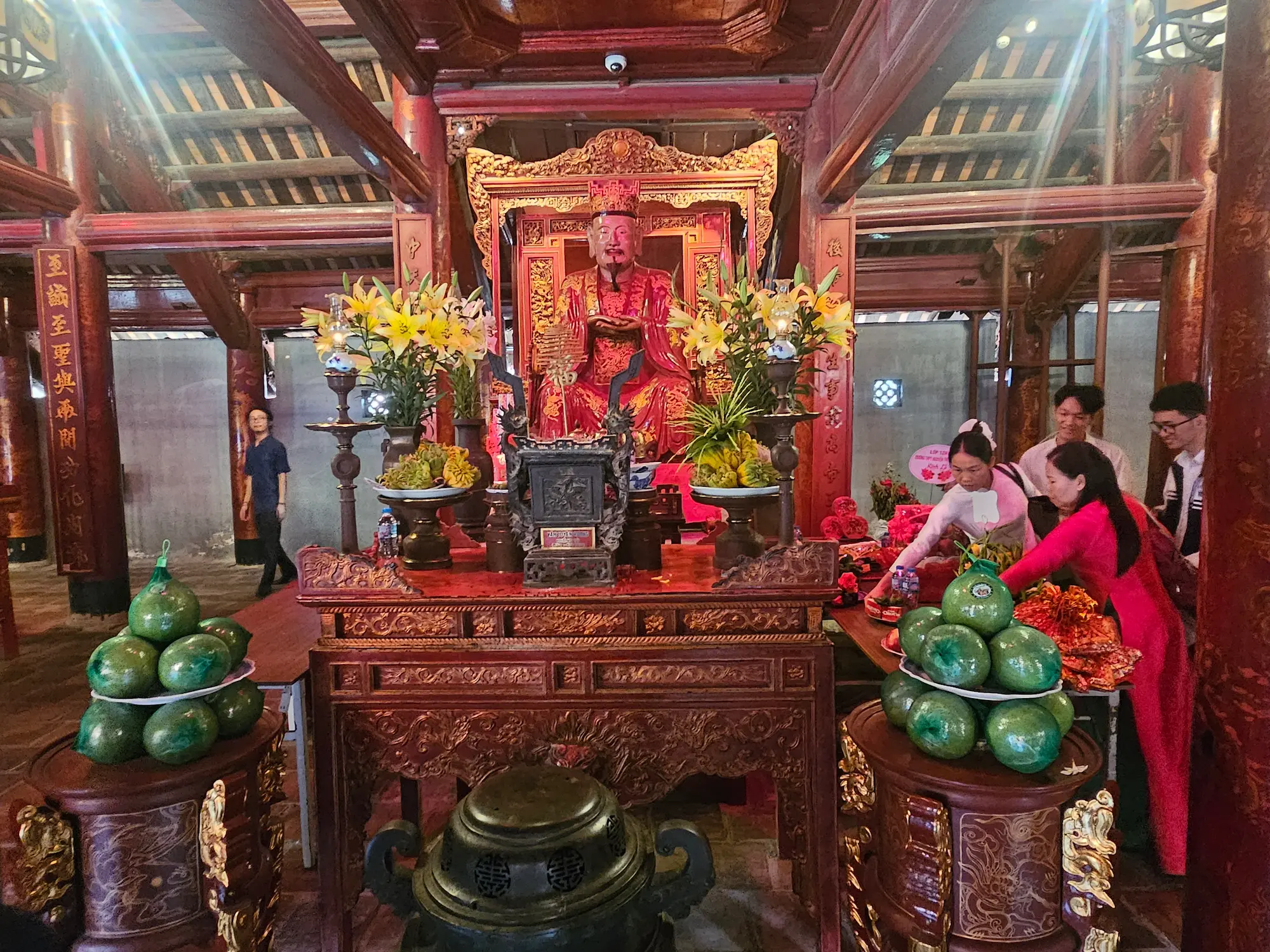
Not to the party. To the table. Because coming home means sitting down in front of the whole extended family and undergoing an interrogation that repeats itself year after year—always the same questions and always in the same order: How has this year been for you? How much do you make? When are you going to buy an apartment? When are you getting married?
There are those who have been working far away for months, have spent their entire year-end bonus on gifts and tickets, have spent fourteen hours on a bus, and then arrive only to have an aunt tell them in front of everyone that it’s about time. At twenty-six, in some families, a single woman may still be called that ế: unwanted, unloved, left out. The pressure can become so intense that in Vietnam there is a small business that rents out boyfriends and stand-in family members to attend weddings and gatherings; this was reported by the AFP news agency.
And there are other things that don’t show up in the photos. That Tết is incredibly expensive, and that for many families it costs a whole month’s salary. The roads become dangerous. The pre-festival cleaning is exhausting. On the day the milk boils and the incense burns, someone looks at the chair where their father used to sit last year.
And the fact that during Tết—since everyone celebrates their birthday at the same time—there’s a cruel side effect: the collective, simultaneous feeling of having suddenly grown older.
None of this contradicts what was said earlier. It complements it. A young man may fondly recall the smell of bánh chưng simmering all night and the red envelopes under his pillow, and at the same time feel his pulse quicken as he imagines this year’s family meal. Both statements are true at the same time.
That blend is exactly what makes a tradition a tradition and not just a postcard. Our Christmas Eve has it, too.
The Tếts Vietnam Will Never Forget
1789. General Nguyễn Huệ, the self-proclaimed Emperor Quang Trung, finds Thăng Long—now Hanoi—occupied by a Qing army vastly superior in numbers. The invaders are at ease: no one attacks on New Year’s Day. Quang Trung gathers his soldiers at Tam Điệp and has them celebrate Tết. in advance, with a banquet included, and he promised them that on the seventh day of spring they would celebrate it again, but in the liberated capital. They marched on New Year’s Eve. They entered Thăng Long on the fifth day, their uniforms blackened by gunpowder. And on the seventh day, they celebrated Tết there, exactly as he had said. Vietnam continues to commemorate it every year at the Đống Đa festival in Hanoi, with a reenactment of the battle.
1968. The other Tết—the one the world knows for a different reason. The Tet Offensive followed the same logic—no one attacks during a holiday—and marked a turning point in the Vietnam War. In the city of Huế, the memory remains very tangible. When Anthony Bourdain filmed there, he sat down with the writer Nguyễn Quí Đức, who was a child in 1968, to hear him tell the story.
Bourdain returned to Vietnam eight times throughout his career—more than to any other country. He said that his first trip, in 2000, changed his life, and that Vietnam It grabs you and won't let go.
But there's a better reference: an episode of A Cook's Tour from 2003 titled «My Friend Linh». Bourdain returned to Hanoi—not to film a parade or put together a restaurant guide—but because it was Tết, and his friend Đinh Hoàng Linh invited him to spend it with his family. Twenty-two minutes of television in which a huge guy from New Jersey sits on the floor of a Vietnamese home, eats whatever is put in front of him, toasts a little too much, and takes part in a celebration that wasn’t meant for him or the cameras.
That's exactly the opposite of watching a party from the outside.
And the other image that remains of him is that of that same man hunched over a plastic stool in Hanoi, eating a six-dollar bún chả with a U.S. president sitting across from him—in a country that, forty years earlier, had been at war with that very same country. That scene is also a way to start the new year.
Before the silence, a deafening noise
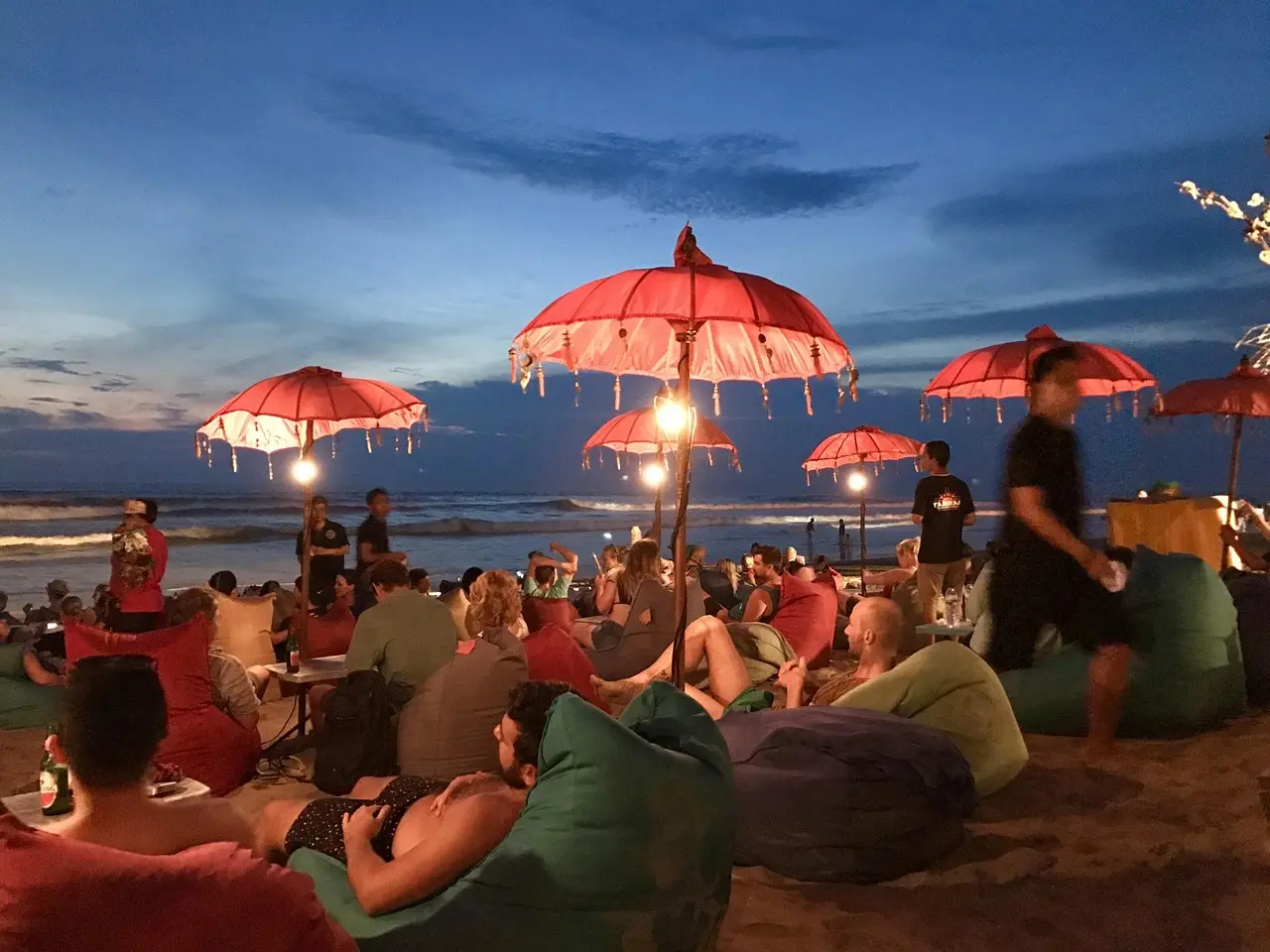
If there's one Asian New Year that's unlike any other, it's this one. In 2027, Nyepi falls on March 9, and the days leading up to it are among the noisiest on the Balinese calendar.
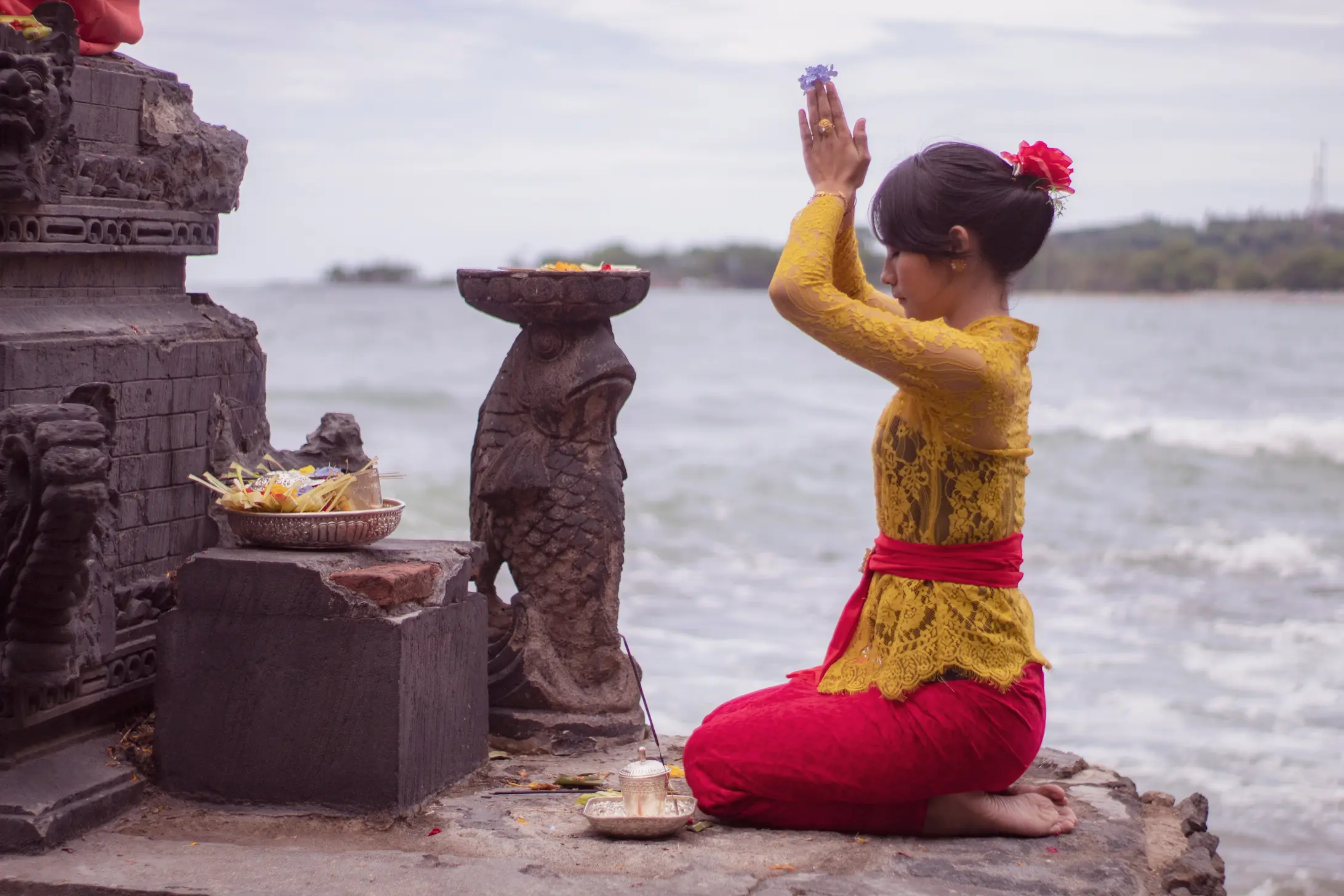
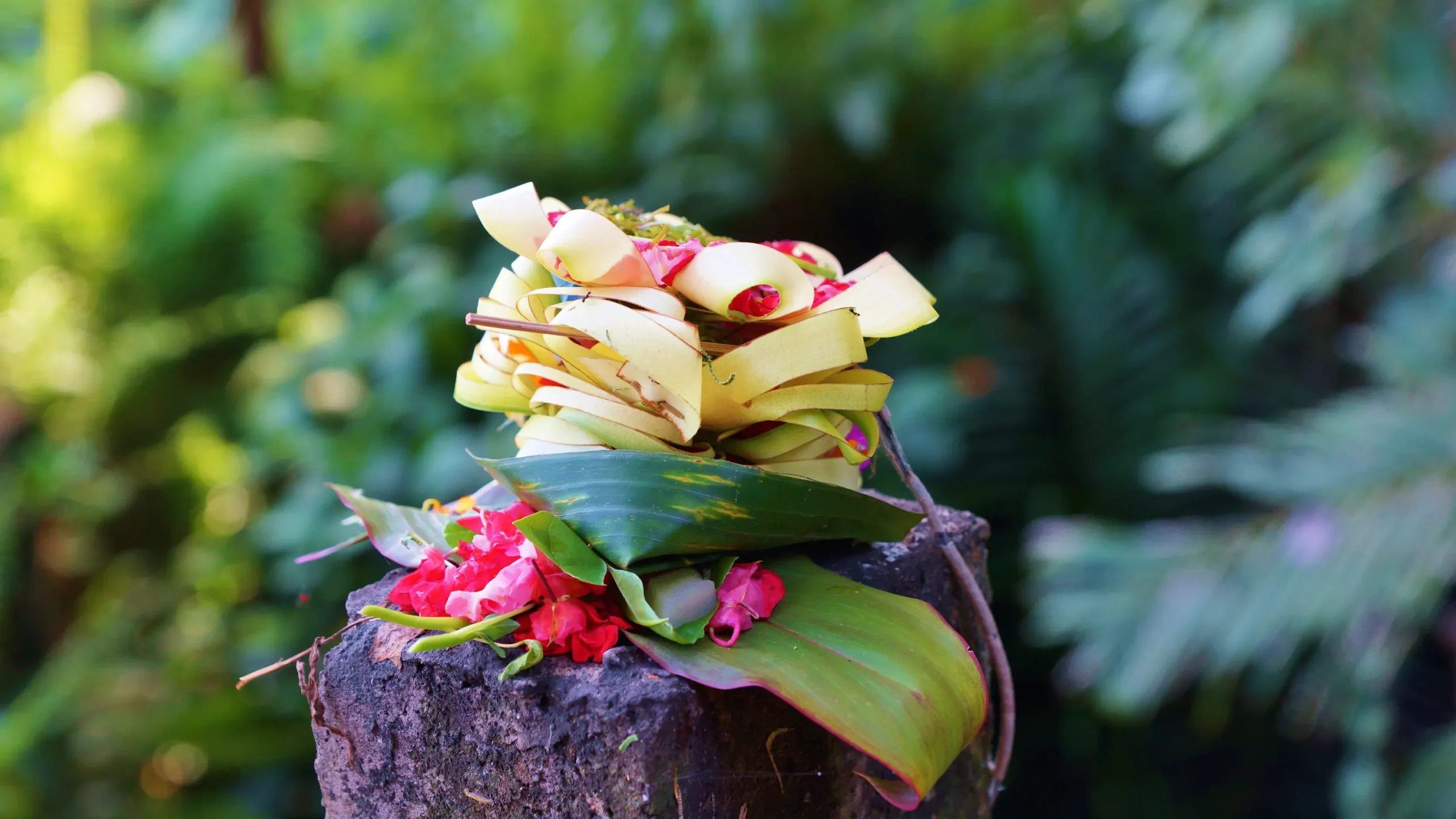
Three or four days earlier. The communities remove the sacred objects from the temples and carry them in a procession to the sea. Hundreds of people dressed in white, carrying ceremonial umbrellas and accompanied by gamelan music, walk toward the water. Everything is purified: the objects, the people, the world. On beaches where people are surfing the rest of the year.
The Eve. Offerings at crossroads and in town squares to ward off the bhuta kala, the negative forces that throw the world out of balance. Crossroads matter: in Balinese cosmology, that is where all the loose ends converge.
As evening falls, the parade begins. For weeks, each neighborhood has been building a gigantic figure out of bamboo and papier-mâché. Young people carry it on their shoulders, spinning it at intersections to confuse the spirits, amid music, firecrackers, and bamboo cannons. At the end of the night, they burn it. All that work from the past few weeks goes up in flames on the street.
Bali Turn off the island
It's not a metaphor.
The international airport is closed: not a single flight is coming in or going out. The same goes for the ports. No one is leaving their homes—not even tourists. The only people allowed on the streets are the pecalang, the traditional guardians of each village, and the ambulances.
Why. And that's the best part of all
On the eve of the holiday, in addition to the parade, each family prepares the Mecaru: Offerings of five-colored rice at the entrance to the house and at the intersections, and then noise. Deliberate noise. Pots, cans, and drums are banged; people walk through the courtyard with torches and burning coconut fronds; bamboo cannons go off. Entire generations line up in single file, shouting and stomping on the ground.
The goal is to get the bhuta kala from their hiding places. Wake them up. Set them in motion all over the island.
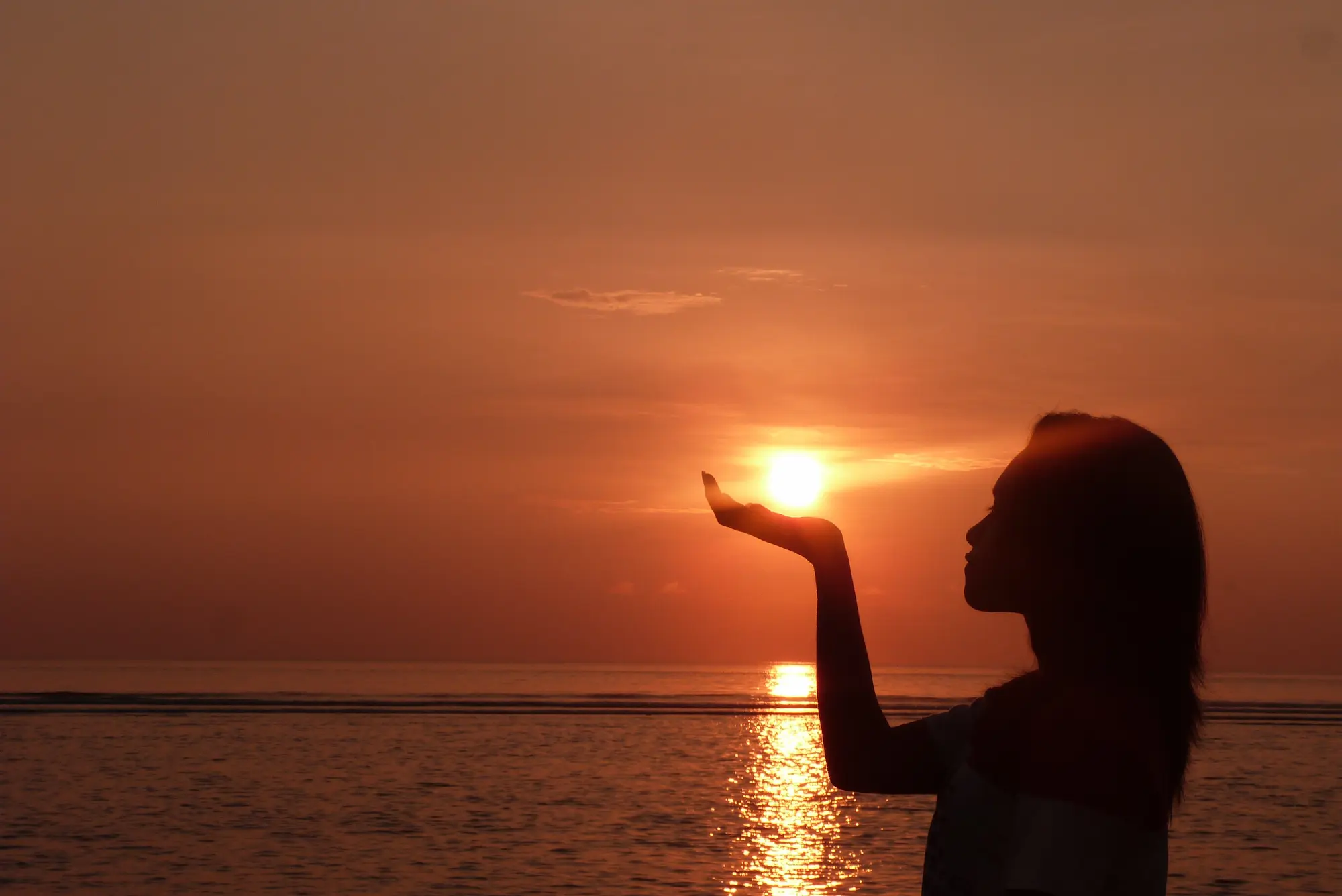
And then, at six in the morning, everyone hides.
Because the belief is this: if the spirits that fly over Bali find neither a light, nor an engine, nor a voice, nor a plume of smoke, they will conclude that the island is uninhabited and will pass it by, leaving it pristine for the new year.
In other words: Bali spends an entire night deliberately rousing its demons, and the next day, four million people hide together and hold their breath so the demons will think no one is there.
It is the most ambitious collective deception on the planet. And it works—in a way that has nothing to do with spirits: by the end of that day, the island has rested, people have looked within themselves, and the sky is clear once again. The Balinese themselves explain it today in environmental terms as well: give the earth a day to breathe.
Silence Has Rules
From 6:00 a.m. to 6:00 a.m. the following day. For everyone, including tourists.
No cooking, no turning on lights. At night, Bali is truly pitch-black.
Offices, businesses, and daily routines come to a complete standstill.
Everyone stays home. No one goes out.
No music, no screens, no pleasure. Some add fasting and absolute silence.
BALI, INDONESIA
Those who have experienced it always say the same thing, and always struggle a bit to explain it: that you hear things you didn’t know were there. Insects. The sound of the sea from kilometers away. And that at night, without a single artificial light on the entire island, the sky is filled with stars in a way that’s almost unheard of on this planet anymore.
And the next day, kisses
The day after is called Ngembak Geni: «to rekindle the fire.» And it’s the exact opposite of Nyepi. People go out, visit family and friends, and ask for forgiveness. Literally: they go from house to house apologizing for the offenses of the past year.
In the Banjar Kaja Sesetan neighborhood of Denpasar, the following event is celebrated on that day: Omed-omedan, which means «push and shove» and is known to everyone as the kissing ceremony. The young singles split into two groups on the main street, pray first, and then push each other while the neighbors throw buckets of water on them. It ends with hugs, kisses, and a happy, soaking-wet chaos.
It's centuries old. The Dutch tried to ban it. In 1984, orders were given to stop it due to complaints about the kissing, and tradition has it that just then, two pigs got into a fight that lasted an hour and only stopped when a temple official arrived. It was interpreted as a very clear sign. The Omed-omedan returned.
In Kedonganan, on that same day, the Mabuug-buugan: a communal mud bath as a form of purification. Twenty-four hours of absolute stillness, and the next morning the entire town was wallowing in the mud. There's no contrast more Balinese than that.
Bowie
In his will, drafted in 2004 and made public after his death in 2016, David Bowie asked that his ashes be scattered in Bali, «in accordance with Buddhist rituals.» He had been there in the 1980s, with Iggy Pop, and the island left a lasting impression on him.
A man who spent his life changing his identity chose, for his final transformation, an island where death is celebrated with a bamboo tower, a procession, and fire. It makes sense.
The year that begins at the exact hour
It is the only Asian New Year that begins at a specific hour and minute: in 2027, on Wednesday, April 14 at 3:29 p.m.. And that changes everything.
SRI LANKA
The Bird That Gives Warning
Before the calendar does, a bird gives the warning. The koha, the Asian cuckoo, enters its mating season right around this time of year, and its two-note call can be heard throughout the island's villages. For generations, the Sinhalese have said the same thing: if you hear the koha, Avurudu is near. No commercial can top that.
The Neutral Tense
Between the old year and the new, there isn't a single moment: there is a hole. It's called Nonagathaya o Punya Kaalaya, literally «the time without an auspicious hour.» It lasts several hours—in 2027, from 9:05 a.m. to 9:53 p.m.—and during that time, the entire country comes to a standstill. No one works. No one cooks. No one eats. No decisions are made. People go to the temple, dressed in white, and pray.
Sri Lanka spends half a day floating between two years, belonging to neither. And then, when the exact moment arrives, everything starts at once.
THE NATIONAL SCHEDULE · 2027
With herbal remedies.
The country comes to a standstill. A temple, white, silence.
Light the fire facing the specified direction.
The whole family is watching the pot. Let it overflow on all four sides.
The first transaction of the year, at an auspicious hour.
Gestures, in order
Every activity has a set time and even a designated direction, determined by an official committee of astrologers and published by the government. This isn't just postcard folklore: it's a national schedule that people actually consult.
Light the stove. The woman of the house lights the fire at the appointed time, facing the direction designated for that year. Before doing so, she has paid homage three times to the new clay pot.
Bring the milk to a boil. Milk is poured into the new pot, and the whole family gathers around to watch. When the milk starts to boil and overflows, there are shouts. If it overflows on all four sides, it's an excellent omen. Here is an entire family—from grandparents to grandchildren—standing in silence, staring at a pot, waiting for it to overflow.
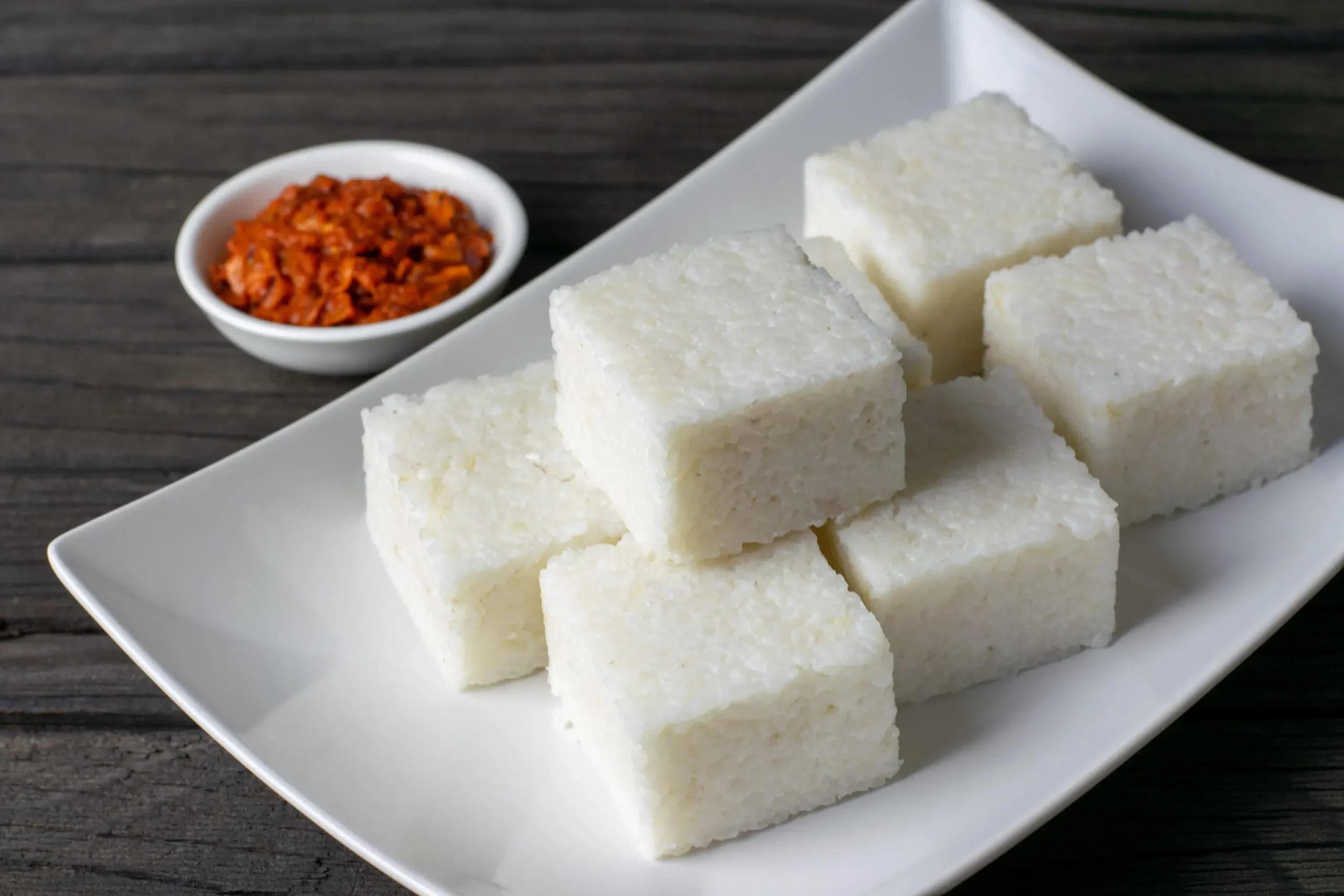
The first meal. That's where the kiribath, rice cooked in coconut milk and cut into diamond shapes. Served with plantains and all the pastries of the year: kevum, kokis, aluwa, aggala, asmi, thalaguli. One dish you can't miss is the hath maluwa, a seven-vegetable curry. The family eats together at a set time, and they send food to their neighbors.
Ganu denu: giving and receiving. At the auspicious hour, the first transaction of the year takes place: money is lent or received, and the ledgers are opened. And work also begins symbolically—a small gesture—so that the year gets off to a good start.
Hisa thel gaema. The Anointing: Herbal oils are applied to the head and forehead at the appointed time to ensure good health for the year. This is done by the elders or by the monk at the temple.
Betel. The young people kneel and offer a handful of betel leaves to their parents and grandparents, and in return, they receive a blessing.
Even clothes have assigned colors. Every year, astrologers determine what color people should wear. The entire island is governed by an astrological decree.
And then, all hell broke loose
Once the formal part is over, the Avurudu Kreeda, the games, which are glorious:
- Kotta pora: A pillow fight while straddling a horizontal log, with one hand tied behind the back.
- Kana Mutti Bindeema: Clay pots filled with water hang in a row, and you’re blindfolded, spun around several times, and armed with a bamboo stick. One of them contains colored water; that’s the one to hit. If you hit it, you end up drenched in color.
- Lissana sang: climb a ten-meter greased pole to grab a flag.
- Aliyata aha thabeema: To place an eye on the drawn elephant, blindfolded.
- Onchilla: swings where women sing specific verses from Avurudu.
- Raban Gaseema: the drum rabana, played by women, with a rhythm that can be heard blocks away.
And the following is chosen: Avurudu Kumaraya and the Avurudu Kumariya, the New Year's Prince and Princess, who arrive in a horse-drawn carriage decked out in the colors of the year.
You eat the bitter part of breakfast, thoroughly
On the same day, the same astronomical transition: the Tamils of Sri Lanka—and those of India—celebrate Puthandu. In a country with a history like Sri Lanka’s, having a national holiday celebrated simultaneously by Sinhalese Buddhists and Tamil Hindus is almost a logistical miracle of coexistence.
El Kanni
The night before, a tray is prepared with fruit—mango, banana, and jackfruit—betel leaves, flowers, coins, gold, and a mirror. It is placed so that it is the first thing you see when you open your eyes. The word literally means «what you see first.» If the first thing you look for is beauty and abundance, the year will follow that path.
Mangai Pachadi
The first dish of the year deliberately combines the six flavors from Tamil philosophy. You take it all in on the first day, thoroughly, savoring every flavor. The message couldn't be any more direct: Next year is going to bring all kinds of things, and you're going to have to accept it all. They won't just give it to you sweet. The neem flower is really bitter. And they eat it anyway, smiling, knowing what it means.
In the West, we make a toast, hoping for a good year. The Tamils eat something bitter for breakfast on the first day so they won't be startled.
Clarke
Arthur C. Clarke, the man who envisioned geostationary satellites and wrote 2001, he moved to Ceylon in 1956 and remained there until his death in 2008—more than fifty years. A futurist chose to live on an island that determines the time of the New Year based on the sun's position relative to Aries. He saw no contradiction in this, and he was probably right.
The Year That Starts Off Wet
The most crowded Asian New Year celebration, April 13–15. Everyone has seen the videos. And it’s by far the least interesting part of Songkran.
Where does the word come from?
Songkran comes from Sanskrit saṅkrānti, which means «movement» or «transit»: the sun’s passage from one sign to another. It is the same root as the Sankranti Indian and first cousin of the Songkran Cambodian. The festival isn't called «water.» It's called «change.».
The legend—stranger than you'd expect
It is inscribed on stone tablets that King Rama III had placed at Wat Pho in Bangkok. And it is charmingly cruel.
There was a four-faced god, Kabilaphrom, a gambling enthusiast. And there was a child prodigy, Thammabal, who, at the age of seven, was already teaching the scriptures and understood the language of birds. The god came down to challenge him with a riddle: Where does a person's grace lie in the morning, at noon, and at night? He had seven days. If the boy guessed correctly, the god would cut off his own head. If he guessed wrong, the god would cut off the boy's head.
Six days passed, and the boy still had no answer. On the sixth day, in desperation, he lay down under a tree and heard two eagles talking. The male was explaining the solution to the female: in the morning, grace is in the face, and that’s why we wash our faces when we wake up; at noon, it’s in the chest, and that’s why we put on perfume; at night, it’s in the feet, and that’s why we wash them before going to bed.
The boy was right. And the god kept his word.
But her head was too powerful to be left just anywhere: if it touched the earth, it would set the world ablaze; if it soared into the sky, it would bring drought; if it fell into the sea, the oceans would dry up. So her seven daughters They placed it on a tray and carried it in a procession around Mount Meru before storing it in a cave. And every year, one of them—taking turns based on the day of the week that Songkran falls on—takes it out again, washes it, and carries it around.
Those seven sisters are the During Songkran, the goddesses of Songkran. Each has her own color, her own mount—a peacock, an elephant, a water buffalo—and her favorite food. If you go to a parade and see a woman riding an animal with a tray, you'll know right away what she's carrying.
The entire meaning of the festival—washing one’s face, chest, and feet; washing what is sacred; washing away the year—is encapsulated in that riddle.
The Real Rituals
Song Nam Phra. Pour scented water over images of Buddha, both in temples and at home. This is the central ritual. It’s not a game—it’s a ritual bath.
Rot Nam Dam Hua. The most intimate one—and the one that brings people to tears. The young people prepare water scented with jasmine and pour it over the hands of their parents and grandparents, kneeling, asking for forgiveness for the year's transgressions and receiving a blessing in return. It takes place in the courtyard of a temple or in a room in a house, in a low voice. Never on the street.
It's no coincidence that April 13 is officially the National Senior Citizens' Day in Thailand, and on the 14th, the National Family Day. Songkran is the festival that empties Bangkok: millions of people who work in the capital return to their hometowns.
Chedi Sai. The sand pagodas. Sand is brought to the temple grounds, and small stupas are built, decorated with flags, flowers, and candles. The origin of this tradition is exquisitely practical and very Buddhist: throughout the year, each visitor carries away a little bit of soil from the temple that sticks to their feet. During Songkran, it is returned. It's a commendable act that basically involves returning what you took without realizing it.
The white powder (din sor pong). That white paste that people smear on their cheeks and shoulders has its own name: din sor pong, a white calcareous clay mined primarily in Lopburi Province, is washed, allowed to settle for days, and dried into tablets. It is mixed with water and applied as a blessing. The gesture originates from monks, who would mark the foreheads of the faithful with sacred chalk when blessing them. In Thailand, it has also been used for generations as a refreshing talcum powder and as a remedy for acne, and it is used in weddings and ceremonies honoring elders.
And a word of honesty, because it’s part of the picture: in recent years, din sor pong has caused problems. The Thai press has reported that some men use it as an excuse to touch young women’s faces on the street, and the government has even banned it on certain streets in Bangkok. If someone offers it to you, ask for permission before touching anyone. That's the only rule.
Chiang Mai. The North is on another level. The sacred image Phra Phuttha Sihing leaves Wat Phra Singh in a procession through the city so that people can pour water over her. The ceremonies at Wat Phra Singh and Wat Chedi Luang are in the Lanna style and date back centuries before the invention of any water guns. And the festival goes on: the Wan Lai Extend the celebration for a few more days.
A water fight isn't a party
A street water fight is a modern and secular extension of the festival. It coexists with the sacred, even though it originated separately. Temple grounds are considered “dry” areas outside of specific rituals, and splashing water on a monk or someone in the middle of a ceremony is unacceptable throughout the country.
Anyone who tells you that Songkran «is a water festival» is just giving you the tip of the iceberg.
On December 6, 2023, UNESCO inscribed «Songkran in Thailand, a traditional Thai New Year festival» on the Representative List of the Intangible Cultural Heritage of Humanity. Since then, Thailand has been promoting it with everything it’s got: the Maha Songkran World Festival In 2025, it organized more than a hundred events across the country.
And yes, there was some friction: Cambodia also submitted its Khmer New Year to UNESCO, and the Thai Ministry of Culture had to issue a statement clarifying that this does not affect Songkran’s inscription. Two countries arguing over which one celebrates the same solar transit better. Very human, too.
The Echoes
If you're in Southeast Asia in mid-April, it's impossible not to come across some version of this.
The day in the middle, the 15th, is called Wan Nao, «the day of no year.» It belongs neither to the old year nor to the new. It is no man’s land. People spend it continuing to clean, visiting their elders, and pouring water over their hands. And there is a rule that grandparents repeat to the young: There's no siesta that day, because laziness on a day that doesn't exist would bring bad luck throughout the entire year that does.
There is water—plenty of it—but what UNESCO itself describes is something else: pouring water over images of Buddha, donating food, meditation retreats, and give the elderly members of the community manicures and pedicures. Young people also wash their parents’ and grandparents’ hair with traditional acacia-seed soap. Read that again: In Myanmar, starting the year literally means kneeling down to cut your grandmother's nails.
Three days starting on April 14. Traditional games, sand mounds at the temples, and the ritual cleansing of the Buddha statues.
The solar transit itself triggers the Puthandu in Tamil Nadu, the Vishu in Kerala—with its Vishukkani, the twin brother of the Tamil Kanni—, the Ugadi in Andhra and Karnataka—with their own six-flavor dish—the Bohag Bihu in Assam, the Happy Boishakh in Bengal and the Baisakhi in Punjab.
In Bhaktapur, with giant floats paraded through the city and a ceremonial pole that is toppled to mark the New Year.
And in March, while Bali falls silent, India celebrates Ugadi and Gudi Padwa according to the same Saka calendar. On the same day. An entire continent, different doors, the same threshold.
What remains are not the differences
The Asian New Year involves four different calendars, three clocks that don't sync up, and four countries that share neither language nor religion. And this list.
The house, the body, sacred images, temple objects. There is always water, and there is always the belief that last year's dirt must not cross the threshold.
Vietnam pays off its debts before Tết. Sri Lanka makes its first transaction at the auspicious hour. No one wants to start the year in debt.
Balinese people go from house to house in Ngembak Geni. Thais pour water over their parents' hands. Vietnamese people settle any outstanding disputes before the end of the year.
Betel in Sri Lanka, incense at gravesites in Vietnam, scented water in Thailand, offerings at crossroads in Bali. The New Year is borrowed from those who came before.
During this time of year, these four countries experience the largest mass migration of the year. Millions of people travel across their entire country to sleep where they slept as children.
A rice cake that tastes like the earth. A rice pudding that's overflowing. A dish with the six flavors of life.
Sri Lanka has the nonagathaya, a half-day that belongs to no year. Laos has the Wan Nao, an entire day of no man’s land. Two countries that independently arrived at the same insight: that there must be a space between what ends and what begins.
And that space really makes a difference. It's the hardest—and most essential—part of any ending.
We eat twelve grapes in thirty-six seconds and choke on them.
I'm not saying that what we do is wrong. I'm saying that the four systems we just looked at went out of their way to turn the New Year into a series of rituals that force people to to do something: call someone, pay for something, forgive someone, stay silent for a whole day, really savor the bitter taste.
A New Year's resolution that isn't kept is just a phrase. A ritual that is actually followed is a phrase that becomes a part of you.
And that, basically, is everything these four cultures discovered a thousand years ago—and we still write it down in a notebook every January 1st.
- Toni
There's something about the New Year in Asia that fascinates me: it's not just about changing the calendar. It's about starting over.
In Vietnam, families return home and also set aside a place for their ancestors. In Thailand, water is used to symbolically cleanse what we leave behind. In Sri Lanka, the arrival of the new year is celebrated around a table, with family and with small rituals that symbolize prosperity. And in Bali, after days of color, processions, and enormous figures, a day arrives when the entire island falls silent.
Different cultures, different ways of celebrating, but the same need: to bid farewell to the old, give thanks for what has been, and look ahead with hope.
Maybe that's why traveling through Asia during this time of year is so special. Because behind the temples, the lights, the flowers, the food, and the celebrations, there's something we recognize perfectly, even though we're thousands of kilometers from home.
Family. Memories. Those who are no longer with us. Hopes for the future.
In the end, we all want the same thing when a new year begins: for our loved ones to be well, for life to give us another chance, and for us to have something to celebrate together when we gather around the table again.
And perhaps that is the true magic of travel: discovering that, even though customs change, there are emotions that need no translation.
2027 Calendar
23 Things No One Tells You Before You Book
A 28-page guide to what you really need to know before buying a ticket. Free.
DOWNLOAD THE GUIDE
If you want to be there when it happens
These dates fill up months in advance, and each country has different logistical requirements. Write to us, and we'll take our time to figure it out.